Hollywood
Hriday responds to Woody Allen’s decision on Blue Jasmine India release


MUMBAI: Woody Allen directed Blue Jasmine was set to be released in India two weeks ago but in the last moment was called off since the director did not want to comply with anti- smoking regulations of the country.
Now NGO Hriday (Health Related Information Dissemination Amongst Youth) has responded to Allen’s claim that smoking messages in the movie distracts people. In the letter addressed to Allen, they said that many big movies have complied with the norms and have done well at the box office including The Hobbit, Django Unchained as well as Bollywood production houses like UTV motion pictures and Karan Johar productions also started complying with the rules as soon as they came into effect.

They also said that a study conducted by them showed that youngsters exposed to smoking scenes in movies were twice as likely to try it. They also said that ‘several countries require censor of contents before screening films to confirm to their laws and cultural sensitivities globally’.
Blue Jasmine was to be released by PVR Pictures. The movie has been critically acclaimed regarding Kate Blanchett’s performance. Let’s see whether Allen responds to the mail and consents to release the movie so that Indians don’t have to miss a good one.







Hollywood
WBD sets April 23 vote on $110bn Paramount Skydance merger
Investor approval key step, but regulators loom over mega media deal
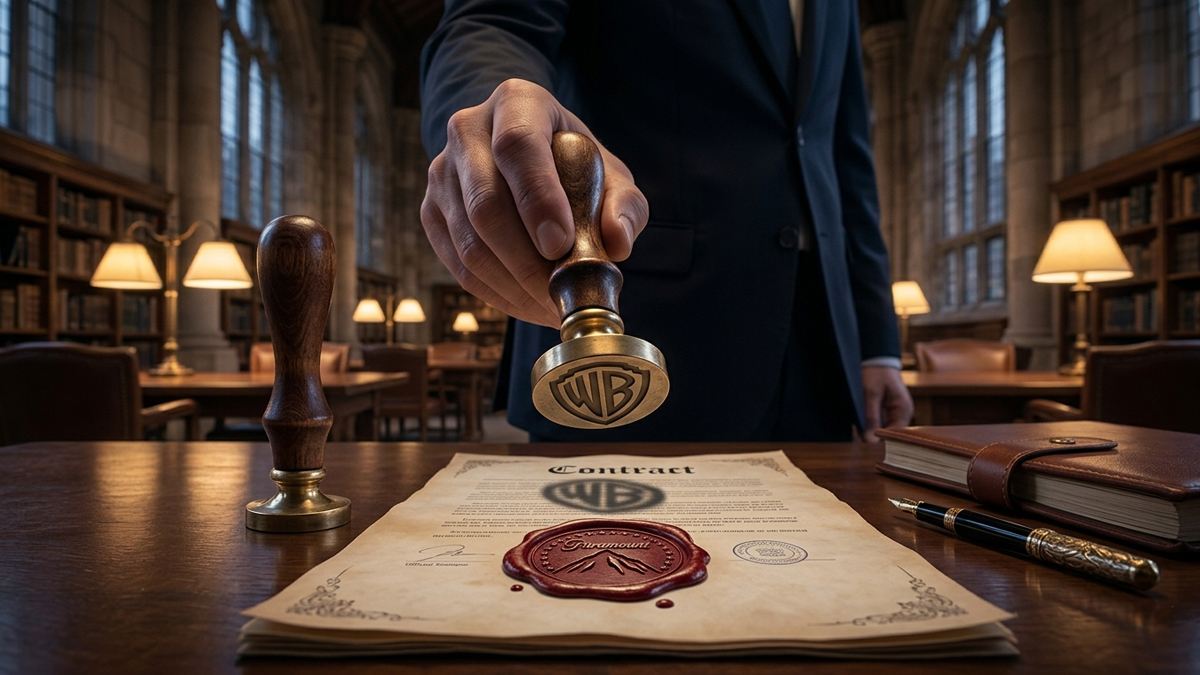
NEW YORK: Warner Bros. Discovery has set April 23 as the date for shareholders to vote on its proposed $110 billion merger with Paramount Skydance, marking a crucial step in one of the biggest media deals in recent years.
The all-cash transaction offers WBD shareholders $31 per share, a hefty 147 per cent premium to its unaffected stock price, signalling strong intent to push the deal across the finish line. The company’s board has unanimously backed the merger and is urging investors to vote in favour.
Even if shareholders give the green light, the deal is far from done. Regulators in the United States and Europe are expected to scrutinise the merger closely, weighing concerns around competition and potential price impacts for consumers.
To keep investors on side, WBD has built in a safety net. If the deal is not completed by September 30, shareholders will receive a quarterly “ticking fee” of $0.25 per share until closure.
The proposed merger would significantly reshape the media landscape, combining the assets of Warner Bros. Discovery with those linked to Paramount Global and Skydance Media. It would also cement the growing influence of David Ellison, who has been steering Skydance’s aggressive expansion strategy.
“The WBD Board has been guided by the singular principle of securing a transaction that maximises the value of our iconic assets and delivers as much certainty as possible to our shareholders,” said Warner Bros. Discovery board chair Samuel A. Di Piazza Jr.. “This historic transaction will expand consumer choice and create new opportunities for creative talent.”
Warner Bros. Discovery chief executive officer David Zaslav added that the company is working closely with its counterpart to close the deal and unlock value for stakeholders.
With investor backing likely but regulatory hurdles ahead, the proposed merger is shaping up to be a defining moment for the global entertainment industry, where scale, content and competition are increasingly intertwined.






