iWorld
How Dil Foods empowering many restaurants,watch exclusively on Shark Tank India 3


Mumbai: Bringing the diverse flavours of India directly to your plate, Dil Foods, a Bangalore-based virtual restaurant operator, has been making waves in the hospitality industry since being founded by Arpita Aditi in 2022. In just one and a half years, Arpita has forged partnerships with over 65 local restaurants in Bangalore and Hyderabad, empowering small and medium-sized food enterprises through its virtual brands. With an ambitious goal to create a sustainable restaurant ecosystem, Arpita steps into Shark Tank India 3, seeking an investment of Rs 50 lacs in exchange for a 0.5 per cent equity stake. However she sealed the deal of 2 crore in exchange of 2.67 per cent equity by Radhika Gupta, Vineeta Singh, Peyush Bansal, and Ritesh Agarwal
Arpita Aditi, a biotech engineer from MIT, leverages her experience at Himalayan Drugs, Reliance Capital, and Swiggy to give birth to Dil Foods. The brand boasts eight virtual food brands, including Dil Punjabi, Aahar, The Chaat Cult, House of Andhra, Bihari Bowl, Bhole ke Chole, and Khichdi Bar, each offering an authentic taste of regional India. During the pitch, Vineeta Singh expresses a keen interest in collaboration with Arpita, impressed by Dil Foods’ innovative model. Her exceptional numerical acumen and commitment to honesty also garner admiration from all Sharks.
While talking about her experience at Shark Tank India 3, Dil Foods founder CEO Arpita Aditi said, “Appearing on Shark Tank India was an exhilarating experience; the sharks, my lifelong idols, provided insightful suggestions and affirmations that fuel our determination to tirelessly build a truly remarkable business. The invaluable insights and support from the sharks are propelling our mission to establish a sustainable and profitable restaurant ecosystem nationwide. Shark Tank India served as a dynamic platform for Dil Foods, connecting us with millions of restaurant owners and reigniting the belief that they are not alone in their pursuit of profitability.”

Shark Tank India 3 streaming on Sony LIV!







eNews
Piyush Thakur steps down as Inshorts’ chief revenue officer
Former vice president and cro says exit marks a new chapter after close to a decade of building revenue and partnerships at Inshorts Group.
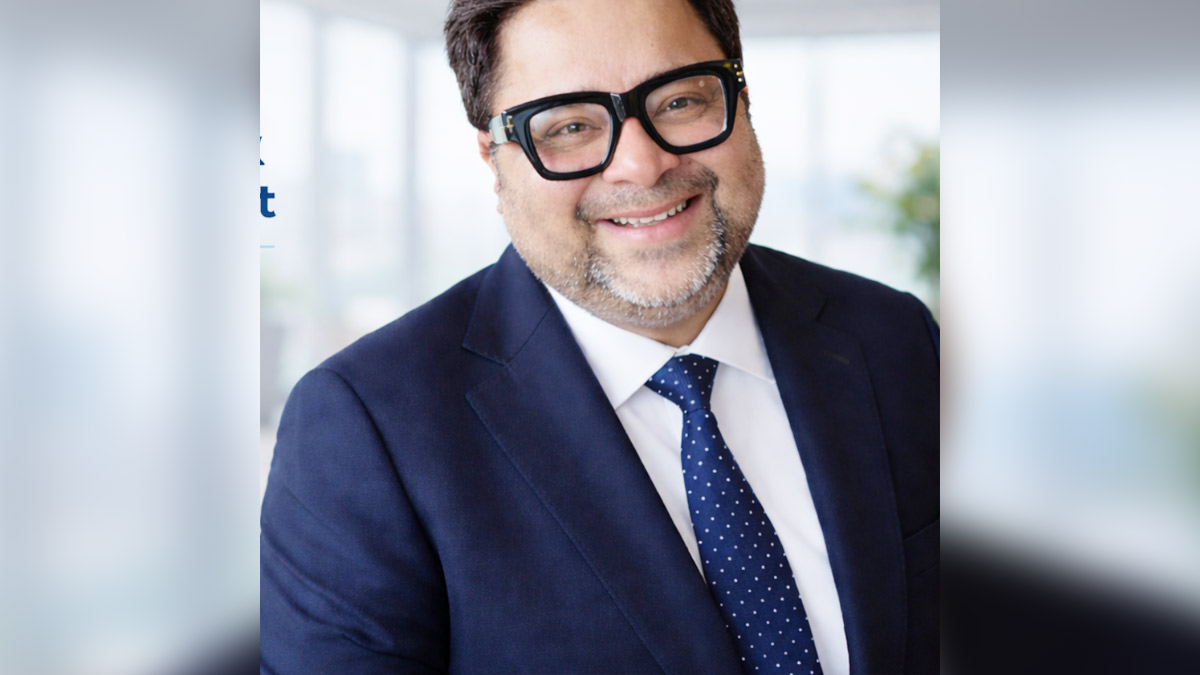
NOIDA: Piyush Thakur has stepped away from Inshorts Group after nearly 10 years with the company, marking the end of a long tenure that culminated in his role as chief revenue officer.
In a farewell note, Thakur said he was “turning a new page” after almost a decade at Inshorts, calling it one of the hardest professional decisions he has made. He added that his exit was not driven by uncertainty about the future, but by reflection on a long association with the company.
Thakur joined Inshorts in October 2016 as vice president and spent around seven years in the role before being elevated to chief revenue officer in April 2024, a position he held until April 2026.
He said his tenure was defined by “thousands of mornings, late nights, product debates and breakthrough moments”, as the company evolved into a large-scale digital news platform used by millions.
In his note, Thakur emphasised that Inshorts’ growth was a collective effort across teams, adding that engineers, designers, sales teams and customer support staff all contributed to building the platform. He said the company’s success was not the result of individuals but of “everyone who stayed, passed through, and left their mark”.
Before Inshorts, Thakur worked across several digital media and business development roles. At ESPN, he served as senior regional manager from October 2015 to October 2016, focusing on growth initiatives, strategic opportunities and video distribution.
At Times Internet, he worked for nearly three years, including as head of business development from April 2015 to September 2015 and chief manager from January 2013 to March 2015. His responsibilities included monetisation of mobile platforms, managing media and developer partnerships, and driving revenue across digital properties such as The Times of India and The Economic Times.
Earlier, he worked at Brandmovers as head of business development from June 2012 to June 2013, handling digital, mobile and social media marketing solutions, client development and strategic consulting. During this period, he also worked on advertising revenue, brand strategy and CRM-based solutions.
At Inshorts, Thakur’s role focused on revenue strategy, mobile and media partnerships, and growth initiatives across platforms. His profile highlights experience in mobile product management, digital business models, partner ecosystems and revenue expansion in high-growth environments.







