iWorld
Homing in on broadband TV


The San Jose based Homeland Networks is gearing up for the broadband era in India and across the Asian continent. The venture promoted by ex-Intelite and broadband expert Ron Victor has unleashed three sites www.tvofindia.com, www.radioofindia.com and www.pressofindia.com. The company believes in “interactivity by ethnicity and geography”.
Tvofindia.com is a project for the broadband world and already has a bit of broadband programming which can be viewed as streaming video. UTV has signed on as a content provider and has picked up a 10 per cent stake, apart from providing infrastructure. Ron is in talks with several media companies for providing interactive content and he wants tvofindia to be a platform for interactive programmes in all genres. The site claims to generate 1,000 viewers a day.
Says Ron, “We’d like to work with every single media company in India to provide exciting interactive content to the viewers. Our ambition is to make the whole world into a single studio. We want our viewers to get an incredible experience which cannot be felt on regular television or radio, and interactivity will be a key component.”

Homeland Networks has already struck a deal with a media company for content. Talks are on with a couple of television channels.
The company is also looking at archived programming from different media companies and providing them with a medium to showcase them.
Currently tvofindia.com focusses on the NRI community due to the availability of broadband abroad. But Ron Victor is confident of it gathering pace in India within a year and half to three years and would then focus on the resident Indian community.
The revenue model of the company is sponsorships and advertising apart from e-commerce which will take some time. Pay-per-view and video-on-demand will also generate revenues. The global viewership will be backed by local advertising and e-commerce and will additionally have global branding opportunities for advertisers. The difference between traditional Internet advertising and advertising on Homeland sites would be the feedback and the possibility of monitoring the actual effectiveness of the ads, reveals Victor.
The company is backed Hotmail founder Sabeer Bhatia who has picked up a 5% stake in the company, KB Chandrashekhar of Exodus fame having 5% stake, Ronnie Screwvala of UTV who holds 10% stake. The company is in talks with a couple of Venture Capitalists for the second round of funding.
Victor plans to focus on the China market after the India and to replicate his India model for Internetters there.




Gaming
Sony raises PS5 prices for second time in under a year
US disc edition jumps $100 to $649.99 as memory costs surge.
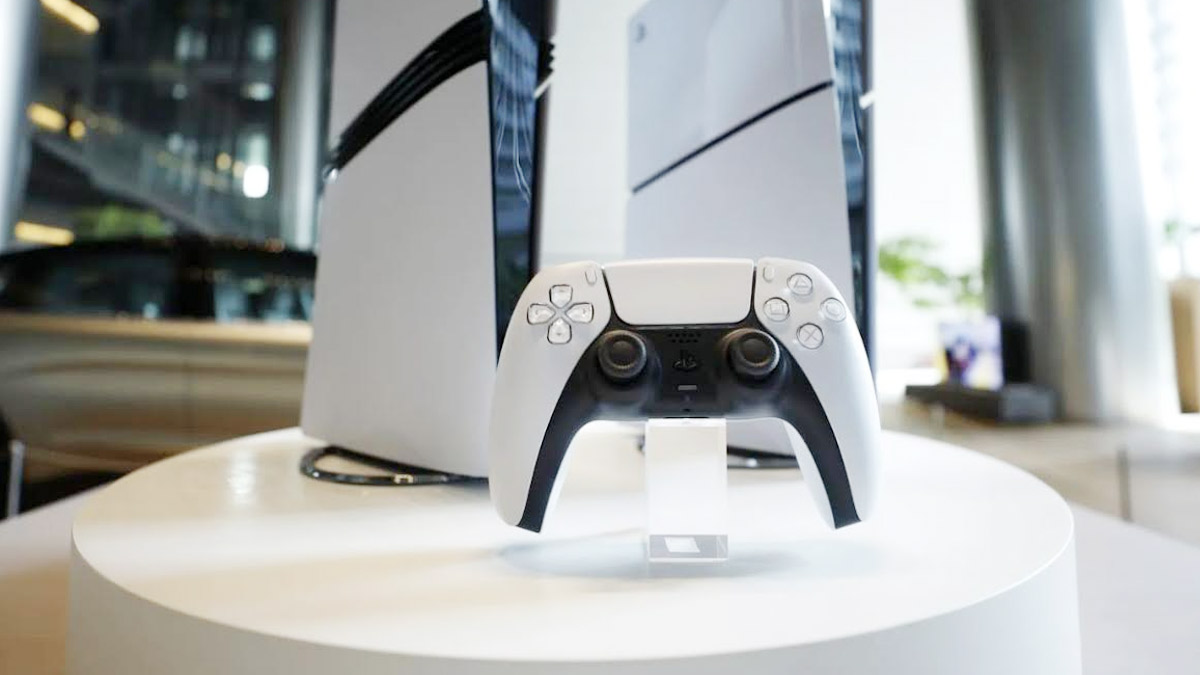
MUMBAI: Sony just hit the pause button on affordable gaming because when memory prices skyrocket, even the Playstation has to pay the premium. Sony has announced its second price increase for the Playstation 5 range in less than a year, citing pressures in the global economic landscape and a sharp rise in memory component costs driven by AI demand.
In the US, the PS5 disc edition will rise from $549.99 to $649.99, a $100 hike while the digital edition increases to $599.99. The more powerful PS5 Pro will jump $150 to $899.99. The Playstation Portal remote player will also rise by $50 to $249.99. The new prices take effect on 2 April 2026.
Similar increases have been applied in the UK (£90 per model), Europe and Japan. Sony last raised PS5 prices in the US in August 2025.
“We know that price changes impact our community, and after careful evaluation, we found this was a necessary step to ensure we can continue delivering innovative, high-quality gaming experiences to players worldwide,” Sony said in a blog post.
The hikes come amid an unprecedented surge in memory prices, as manufacturers prioritise supply for AI data centres. Analysts say Sony had likely secured price protections for components that have now expired, forcing the company to protect its hardware margins.
Ampere Analysis research director of games Piers Harding-Rolls told CNBC that further increases from Microsoft and Nintendo would not be surprising, though Nintendo may hesitate to raise the price of its recently launched Switch 2 while establishing the new platform.
The increases arrive eight months before the highly anticipated release of GTA 6, which is expected to drive strong console sales. However, early reactions online have been a mix of disappointment and resignation, with growing concern that premium gaming is increasingly becoming a hobby for higher-income players.
In a sector already grappling with tariffs, inflation and component shortages, Sony’s move underscores a tough reality: even the most popular consoles are not immune to the rising cost of keeping up with the latest technology.








