Content Hub
High concept, simple story, understandable plot are key to good movies: Kross Pictures’ Thomas Kim

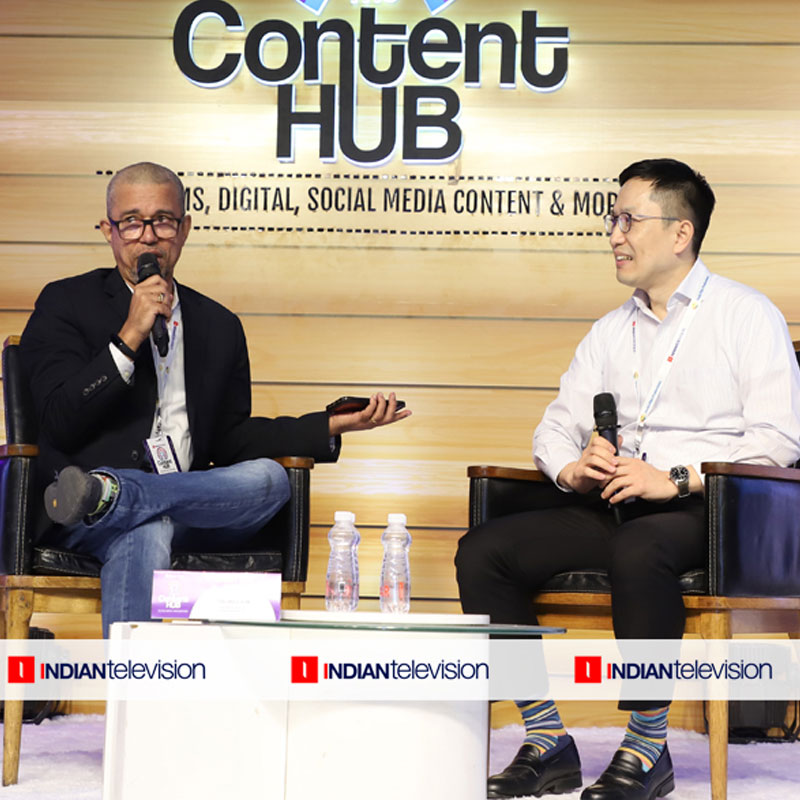
MUMBAI: Thomas Kim, co-founder of Kross Pictures, in a candid conversation with indiantelevision.com founder CEO and editor in chief Anil Wanvari at The Content Hub 2020, mentioned how he started his career as an investment banker. He also shared how working in The Walt Disney Company and Pirates of the Caribbean inspired him to become a filmmaker.
Kross Pictures, an international film and television production company, made the commercially successful movie The Devotion of Suspect X.
Kim echoed, "I was working as a management consultant for a few years but never really enjoyed that work. I had an opportunity to go to Hollywood and work at The Walt Disney company. This was the first time I saw how movies are made. One particular project Pirates of the Caribbean opened my eyes to filmmaking. The motion pictures group came to my group which was in charge of making a theme park called imaginary group. They made a movie based on the storyboard. This actually taught me that films can be made with any type of stories. So, I quit Disney and started my company in 2003. I am mostly active in Korea and China in making films and TV series based on famous IPs, mostly in comics and novels. In 2015 I had the pleasure to come to India and worked on a film project called ‘Teen’ with Amitabh Bachchan. This was my first experience of working in Bollywood. Today I have offices in Seoul, Los Angeles, Mumbai and Hyderabad.”

Kim, who is very active in China, made one feature film and a TV series and both were commercially hit. The Devotion of Suspect X became a mega-hit with Rs 4 crore box office collection.
Kross Pictures currently has over 15 features and TV content both in Hindi and the South and aspires to become a premium production house. “I believe storytelling is universal. The story which works in one country can work in other countries too. With that vision I have a team in Korea, India, and America, who are constantly looking at projects,” he stated.
In 2014 Kim met Balaji Telefilms' Tanuj Garg in Korea for a project. This meeting led Kim to come to India and explore Indian filmmaking market.
Sharing his Indian vision of Kross Pictures Kim said: “My aspiration for my Mumbai team is to grow to be a premier production house and maybe possibly a studio in the near future."
Kim believes that not all stories are able to mobilise in foreign countries, other than the one which do commercially well. According to Kim, there are key three aspects for a good movie: the element of high concept, a simple story and an understandable plotline. Also, not all stories can localise. A lot of Indian stories are great but it may not work in the Korean market.
Kim, who is currently working on the adaptation of the Bollywood film Kahaani, thinks Believe Oh Baby! – a Telugu movie was a great combination of storytelling and execution. Successful stories or successful adaptation requires a good understanding of the original material. He finds Indian films exciting and emotional. However, there is a lack of disciplined storytelling. That's what the Kross Pictures wants to bring to India.
Sharing details on the necessary ingredients required for a commercially successful film, Kim said, “We try to identify stories which are exciting to the Indian audience. We also look at commercial success. Combining the two we constantly look for stories in Korea, Japan and China that have a track record of being a commercial success.”


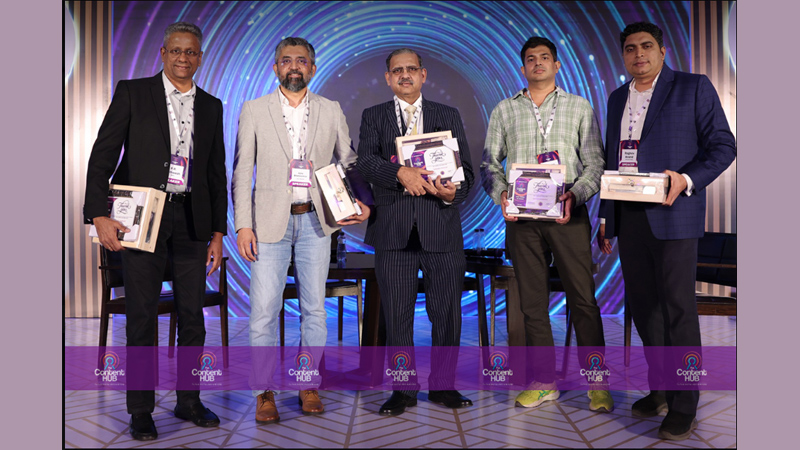
Mumbai: Exploring the shift from regional to national content, this synopsis delves into the trends and challenges. It navigates the transformation, analyzing industry dynamics, emerging trends, and the hurdles faced. From preserving regional variation to adapting to a broader audience, it examines the multifaceted journey of regional content evolving into a national narrative. In what ways do the emerging trends and challenges influence the dynamics of the entertainment industry during this transition? How can creators navigate these changes effectively? What strategic approaches can content creators adopt to strike a balance between maintaining regional identity and fostering a cohesive national narrative in their work? How can the transition from ‘regional’ to ‘national content’ impact cultural diversity within the entertainment industry, and what measures can be taken to ensure the preservation of regional variation?
In a rapidly evolving media landscape, seasoned industry professionals have offered valuable insights into the transformation of content consumption and production. The session was chaired by Ernst and Young partner Raghav Anand, MMTV chief executive officer P.R. Satheesh, Sony Marathi business head Ajay Bhalwankar, PTC Network chairman & MD Rabindra Narayan, Shemaroo Entertainment COO, Digital, Saurabh Srivastava esteemed voices in the field, have articulated their perspectives on the burgeoning shift towards globalised content.
Rabindra Narayan emphasised the dissolution of regional boundaries in content consumption, attributing it to the accessibility facilitated by global platforms and connectivity options. He predicts a future where language barriers will fade, citing the potential of technology to clone and adapt voices, thus enabling seamless localization across languages.
Saurabh highlighted the democratisation of content creation in the digital era, underscoring its empowerment and revenue potential, particularly in linguistically diverse markets like India. He emphasizes the value of culturally rooted storytelling in filling gaps in content supply, with technology enabling effective monetization, especially through OTT platforms.
Ajay Bhalwan sheds light on the evolving landscape of Hindi and regional language content, noting a significant shift where a substantial portion of content on Hindi film channels originates from regional languages. He accentuates the importance of language in enhancing authenticity and audience engagement, exemplified by the strong resonance of Marathi content in Maharashtra.
PR Satheesh underscored the paramount importance of content quality in driving viewership and transcending language barriers. Drawing parallels with the global popularity of Korean dramas, he advocates for leveraging technology, including AI and real-time translations, to enhance content creation and distribution.
These insightful perspectives collectively echoed the industry’s adaptation to a globalised content landscape, where technology catalyzes innovation and accessibility. As content continues to evolve, these experts offered valuable guidance on navigating the dynamic media landscape and maximizing the impact of storytelling in diverse markets worldwide.






