eNews
HCLTech named leader in IDC MarketScape for experience build services


NOIDA: HCLTech has clinched a leadership spot in the IDC MarketScape for Worldwide Experience Build Services 2025, underlining its growing clout in designing and delivering customer-facing digital experiences at scale.
The analyst firm cited HCLTech’s strength in experience cloud suite implementation, its sharpened focus on digital marketing services and its depth in personalisation, data and analytics. IDC also flagged the company’s organisational change capabilities and its suite of supporting tools as key differentiators.
Client feedback featured prominently in the assessment. Reference customers highlighted HCLTech’s understanding of client needs, the quality of its professionals and its value for money, according to the report.

Corporate vice-president and global head of digital business services at HCLTech, Pawan Vadapalli, said the recognition reflected the company’s focus on building total experiences that connect every layer of a customer’s ecosystem. He added that AI-driven personalisation, real-time engagement and omnichannel consistency are now baseline expectations, with HCLTech’s AI Foundry playing a central role in delivering adaptive, human-centric experiences.
Senior research director for customer experience services and strategies at IDC, Douglas Hayward, said HCLTech has emerged as a trusted partner for large, complex experience-led transformations that combine IT services, experience platforms and AI-driven personalisation.
With enterprises racing to turn experience into a competitive weapon, HCLTech’s latest endorsement suggests it is no longer just building systems—but shaping how brands are felt.







eNews
Paisabazaar launches Credit Premier League 2.0
Nationwide campaign rewards highest credit scores with Rs 1 lakh top prize.
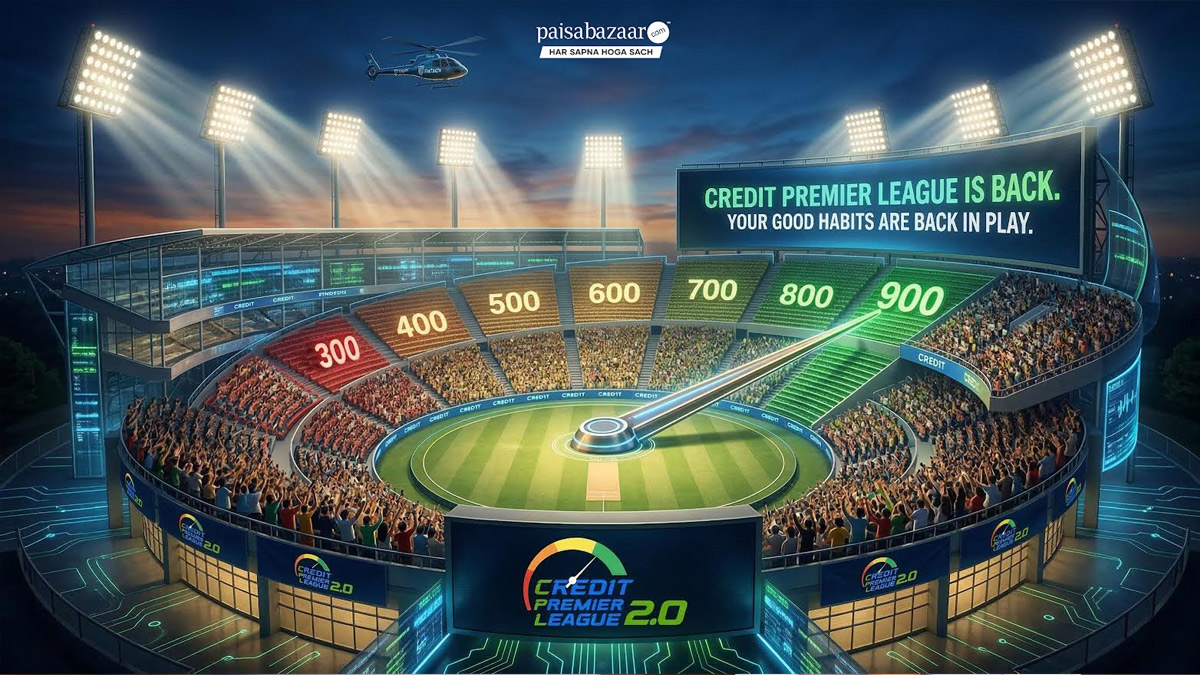
MUMBAI: When credit scores become a national league, even your CIBIL report starts feeling like it’s playing in the IPL and Paisabazaar has just kicked off the second season. Paisabazaar, India’s leading marketplace for financial products and the country’s largest free credit score platform, has announced the return of the Credit Premier League (CPL) 2.0, a fun, nationwide initiative to recognise and reward individuals with the highest credit scores.
Building on the success of the first edition, CPL 2.0 introduces higher rewards and broader participation. The individual(s) with the highest credit score in the country will win Rs 1 lakh, while state champions will each receive Rs 10,000. Additionally, all participants from the winning state, the one with the highest average credit score will also be rewarded.
All winnings will be credited directly to winners’ PB Wallet, allowing them to pay credit card bills, recharge mobiles, or settle utility bills seamlessly on the Paisabazaar platform.
Paisabazaar CEO Santosh Agarwal said the campaign aims to make credit awareness more engaging and mainstream. “With CPL, we are bringing together engagement, gamification and rewards to make conversations around credit scores more mainstream,” he noted. “Our focus remains on building a financially aware and credit-healthy Bharat.”
The first edition of CPL saw over 5.5 million participants, with the highest individual score touching 861. Delhi recorded the highest average credit score of 746.
Consumers can participate simply by checking their free credit score on the Paisabazaar platform or app. The CPL leaderboard and rankings will be available exclusively on the Paisabazaar App.
In a country where financial dreams are serious business, Paisabazaar has found a smart way to turn credit scores into an exciting game – because when your financial health gets rewarded, everyone wants to play.






