English Entertainment
HBO to premiere ‘Game of Thrones’ simultaneously in 170 countries

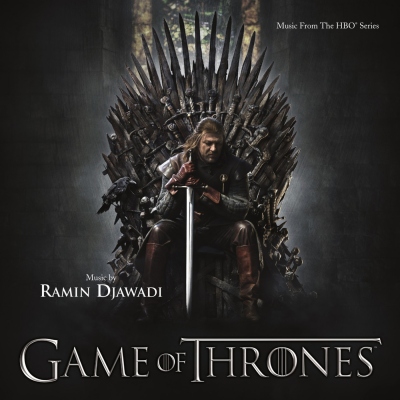
MUMBAI: In an unprecedented move, Game of Thrones will premiere in over 170 countries and territories across the globe simultaneously with HBO’s US airing on 12 April.
The entire fifth season of the Emmy, Golden Globe and Peabody-winning series will be simulcast to HBO branded networks and broadcast partners across the world, creating a global television event week after week throughout the season’s 10-episode run.

“We are thrilled to see our international partners jumping on board to bring Game of Thrones, one of the most universally loved television shows in the world, to global audiences at the same time it airs on HBO in the US. It’s going to be a great season,” said HBO programming president Michael Lombardo.
Indian fans too can rejoice as it is one of the 170 countries across the globe where the upcoming season of the hit series is going to premiere simultaneously with HBO’s U.S. airing on 13 April at 6 30 am IST on HBO Defined, with following episodes on subsequent Mondays at the same time. The repeat telecast of the fifth season will be on Monday’s at 10 pm on HBO Defined.
HBO India managing director Monica Tata commented “We are thrilled to bring Season 5 of Game of Thrones, one of the most iconic HBO Original TV shows, to Indian audiences at the same time as the U.S. airing,”. Tata added that it was their way of thanking the premium subscribers of HBO Defined for supporting them in making the channel a success.
Among those participating are the HBO branded networks: HBO Asia, HBO Canada, HBO Europe, HBO Latin America, HBO Netherlands and HBO Nordic.
Also included are international “Home of HBO” services including: Africa/M-Net, Australia/Foxtel, Belgium(Flemish)/Telenet, France/Orange, Iceland/365 Media, Israel/DBS, Sky Deutschland, Sky Italia and SKY New Zealand.
HBO licensing partners in the simulcast include: Belgium(French)/Betv, Greece/Intervision, Russia/Amedia and Spain/DTS.
Since its debut Game of Thrones has become a worldwide phenomenon and the most popular series in HBO history. Last year, the series was the most searched television show worldwide on Google and the #1 most talked about show on Facebook in the US.
Game of Thrones is based on George R.R. Martin’s fantasy series A Song Of Ice and Fire, where political and sexual intrigue abound as seven noble families fight for control of the mythical land of Westeros. The epic series, with storylines of treachery and nobility, family and honor, ambition and love, and death and survival, has captured the imagination of fans globally and become one of the most popular shows on television.






English Entertainment
ZEE5 UK partners Narrative Entertainment to add UK channels
Six FAST channels added as platform sharpens hybrid play in Britain
LONDON: ZEE5 UK struck a first-of-its-kind deal with Narrative Entertainment, bringing mainstream UK television channels onto an Indian streaming platform as it pushes to deepen its footprint in a crowded, mature market.
The partnership adds six of Narrative’s FAST channels to the service, including Great! Movies, Great! Romance, Great! Mystery and kids brands POP, Tiny Pop and POP UP, widening ZEE5 UK’s appeal across genres and age groups.
The move reflects a clear shift in strategy. ZEE5 UK is betting on a hybrid model that blends on-demand content with curated, always-on channels to drive discovery and increase time spent on the platform.
“This partnership represents a meaningful evolution in how we serve audiences in mature markets like the UK, where viewers are defined by habits, convenience and choice rather than geography or language alone,” said Parul Goel, territory head, Europe, Zee Entertainment. “By bringing trusted mainstream UK channels together with our premium originals, movies and kids’ content, we are building a more consumer-centric platform that simplifies viewing while increasing depth and relevance.”
Fateha Begum, commercial director, Narrative Entertainment, said the tie-up would fuel growth for both sides. “Our portfolio of quality programming, with such wide and enduring appeal, is a perfect complement to ZEE5 UK. This is a strong partnership that will support growth for both parties, and we share Zee Entertainment’s vision of an increasingly partnership-led future for the industry.”
ZEE5’s global library spans over 4,000 films and more than 500 originals, with over 130 new titles added annually. The addition of Narrative’s channels strengthens its kids offering and introduces genre-led linear experiences alongside its on-demand catalogue.
The deal also gives Narrative access to ZEE5 UK’s fast-growing user base, extending reach without diluting brand identity, while reinforcing ZEE5 UK’s network of more than 40 live channels.
As streaming wars intensify, ZEE5 UK is widening its playbook, blending content, convenience and partnerships in a bid to win screen time in one of the world’s toughest markets.







