Cable TV
Hathway – MSM imbroglio: MSO to not renew deal


MUMBAI: In a move that would surprise many, multi system operator (MSO) Hathway Cable and Datacom has decided to not renew the contract with MSM Media Distribution (MSMMD) in DAS phase II areas.
As reported first by Indiantelevision.com, the Telecom Disputes Settlement and Appellate Tribunal (TDSAT) on 14 August had directed Hathway to pay Rs 14.56 crore towards subscription dues to MSMMD for DAS Phase I till the expiry of the agreement i.e. 31 October, 2015 in three instalments.

In a statement issued today, Hathway said that it will not renew the contract with MSMMD for DAS phase II. It may be recalled that this contract between the two expired on 31 March, 2015 and was not renewed by Hathway then.
“Dripping ratings and average content cannot be a base for a broadcaster to take distribution platforms for a ride by demanding hefty growth year on year. In fact, it requires major correction in the subscription fees that the broadcaster charges. The concern with Sony Entertainment Television, the flagship channel of Multi Screen Media (MSM), has been witnessed over the last year wherein their content lacks appeal and demand as compared to other leading networks and does not deserve a growth, which was raised by us to the broadcaster. All the other channels in the MSM bouquet are also irrelevant and don’t offer any compelling content,” said a Hathway spokesperson.
Hathway has said that in DAS I markets, where the contract expires on 31 October, 2015, it will offer MSM channels on an a la carte basis to consumers and not as part of any of the packages till the expiry of the contract.
Speaking on the dues that Hathway owes the company, MSMMD executive vice president sales and marketing Makarand Palekar said, “Hathway has a huge outstanding and they haven’t paid us for seven months. MSM as a network is very patient and does not switch off channels on any platform, but Hathway has tested our patience and even if it wants to put the channels on a la carte, it will have to clear the outstanding first, which is close to Rs 15 crore.”
It now remains to be seen how this story between the two parties pans out.







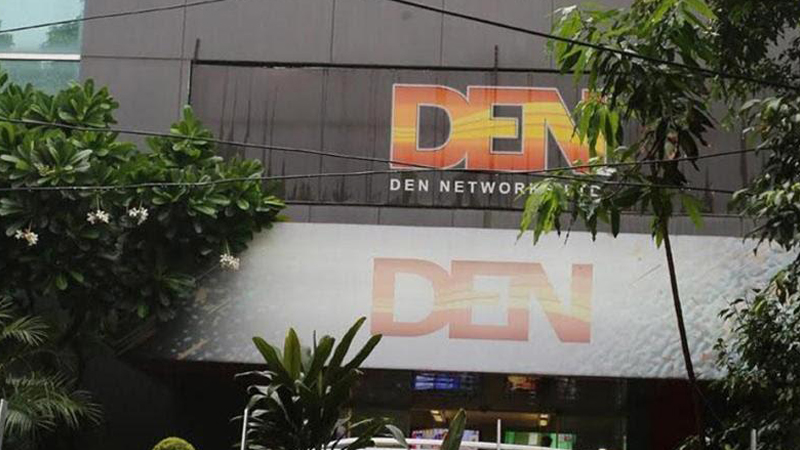
MUMBAI: When margins wobble, liquidity talks and in Q3 FY25-26, cash did most of the talking. Den Networks Limited closed the December quarter with consolidated revenue of Rs.251 crore, marginally higher than the previous quarter but down 4 per cent year-on-year, even as profitability stayed resilient on the back of strong cash reserves and disciplined cost control.
Subscription income softened to Rs.98 crore, slipping 3 per cent sequentially and 14 per cent from last year, while placement and marketing income offered some cheer, rising 15 per cent quarter-on-quarter to Rs.148 crore. Total costs climbed faster than revenue, up 7 per cent QoQ to Rs.238 crore, driven largely by higher content costs and operating expenses. As a result, EBITDA dropped sharply to Rs.13 crore from Rs.19 crore in Q2 and Rs.28 crore a year ago, pulling margins down to 5 per cent.
Yet, the bottom line refused to blink. Profit after tax stood at Rs.40 crore, up 15 per cent sequentially and only marginally lower than last year’s Rs.42 crore. A healthy Rs.57 crore in other income helped cushion operating pressure, keeping profit before tax at Rs.48 crore, broadly stable quarter-on-quarter despite the tougher cost environment.
The real headline-grabber, however, sits on the balance sheet. The company remains debt-free, with cash and cash equivalents swelling to Rs.3,279 crore as of December 31, 2025. Net worth rose to Rs.3,748 crore, while online collections accounted for 97 per cent of total receipts, underscoring strong cash discipline across operations, including subsidiaries.
In short, while Q3 showed signs of operating strain, the financial backbone remains solid. With zero gross debt, steady profits and a formidable cash war chest, the company enters the next quarter with flexibility firmly on its side proving that in uncertain markets, balance sheet strength can be the best growth strategy.







