iWorld
GUEST COLUMN: Venturing into AI world – Dealing with the Cookiepocolypse


Mumbai: Technological advancements have been at the helm of our evolution. The last decade witnessed some stellar advancements and shifts in our behavior. Recalling a few; we upgraded from 3G to 4G almost in a blink, smartphones and tabs lead the device usage stats and social media has become the new “news finder.” The most important “world wide web feature,” that has been around for a couple of decades, and now is on the verge of sunset is cookies.
And with this development being pronounced crucial by leading tech firms including Google and Apple, naturally, the most pressing question in every marketer’s mind is, how do we continue to target effectively in a cookieless world? The answer certainly is – Artificial Intelligence (AI).
The rise of the new change

Cyberlaw caretakers are under the constant dilemma of addressing the rising concerns about how digital consumer data is being gathered, stored and utilised. Browser giants like Apple Safari, Firefox, and Google Chrome have either already unplugged their third-party cookie storage approach or are working towards the same.
This means the digital marketing space is transforming rapidly. However, this doesn’t necessarily ring a bell of disaster for the marketers. Pico targeting and communication with relevance between businesses and users can still see the light of the day by maximizing first-party data collection on websites. This consent-based data gathering helps to boost the users’ trust, dependency and retention on the platform.
But the marketing fraternity’s concern remains – how do we precisely target communication to the select user cohorts without cookies? The answer, as mentioned earlier, most definitely is by using artificial intelligence. As the times change, our transformation from digital natives to AI natives is just a few miles away. And the cookieless web world might as well streamline the situation more ardently.
How can AI help deal with a cookieless web?
To begin with, AI systems comprise complex neural networks that are trained with billions of data points. On the back of this data, the AI begins to learn and understand actions, predict results and recommend best-suited actions to achieve the desired marketing goal. The most heartening news for marketers is the fact that AI has immense capabilities to provide deep insights into the constantly evolving customer base and improve the understanding brands and businesses have of their users. And all of this without cookies.
From enabling multichannel communication to relevant advertising, AI has the calibre to effectively cement the gap that will spring up in the cookieless world. Thousands of advanced AI models analyze and learn from billions of first-party data with the help of deep learning algorithms and NLP. This further helps the AI to make accurate predictions and provide recommendations in real-time.
As we move towards more stringent privacy frameworks, AI is already revealing high efficiency in improving ROI and amping up business growth incredibly. Additionally, with AI holding the omnichannel communication fort high, marketers can precisely target user cohorts across multiple channels without worrying about the lack of cookies.
(About Author: Neel Pandya is the Pixis CEO for Europe and APAC)




iWorld
Samay Raina returns with Still Alive, confronts 2025 controversy in bold comeback special
Comeback set tackles controversy, blending humour with raw storytelling
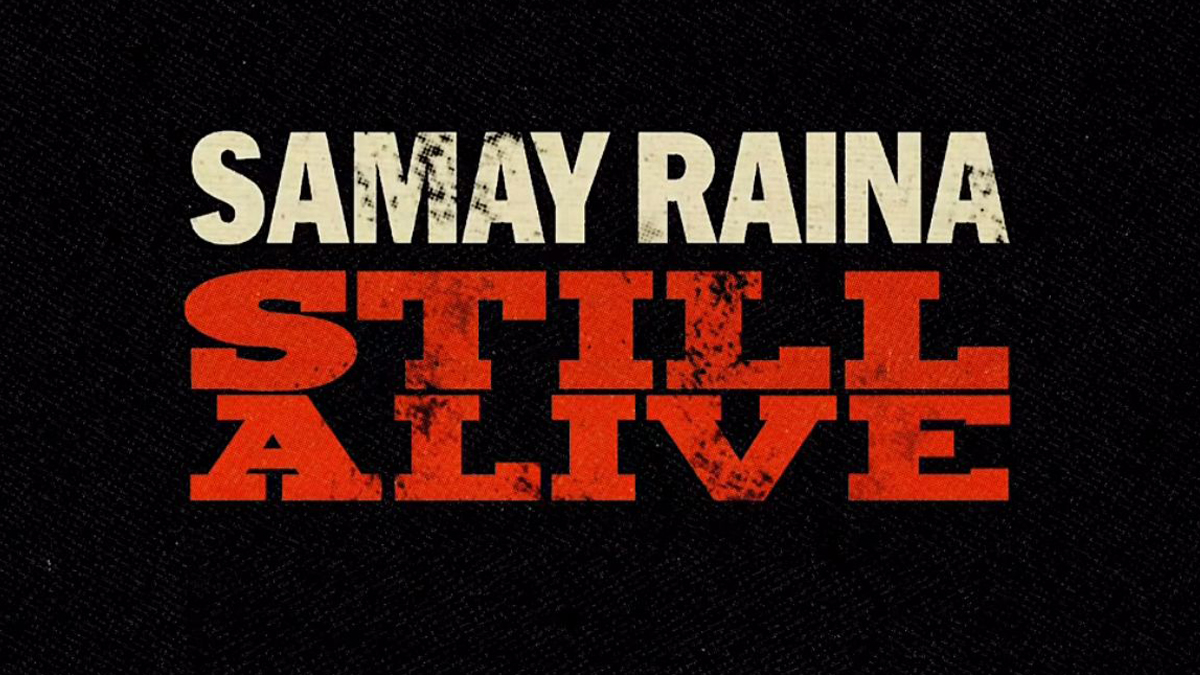
MUMBAI: Samay Raina is set to release his new stand-up comedy special, Still Alive, on YouTube on April 7, 2026, marking a high-profile return following a turbulent year.
The trailer for the special dropped on April 5, offering a glimpse into what Raina describes as a raw and unfiltered set that leans as much on honesty as it does on humour.
Positioned as a comeback of sorts, Still Alive draws heavily from the controversy surrounding his show India’s Got Latent in early 2025. The episode led to legal trouble, multiple FIRs, and a lengthy six-hour interrogation by the Maharashtra Cyber Cell, placing the comedian at the centre of intense public scrutiny.
Rather than sidestep the episode, Raina leans into it. The special reflects on the fallout and his personal journey through it, blending observational comedy with moments of emotional candour. Early audience feedback from live performances suggests the tone is less about rapid-fire punchlines and more about storytelling with bite.
The special was filmed during his global Still Alive & Unfiltered tour, which ran from August 2025 to early 2026. The tour saw Raina perform across major international venues, including the Madison Square Garden Theatre in New York, a milestone that places him among the youngest Indian comedians to take that stage.
The title itself signals resilience. “Still Alive” is a nod to navigating both legal and public backlash while choosing to remain unapologetically authentic, a theme that appears to anchor the set.
With the special set to premiere online, all eyes are now on how audiences respond to a performance that promises equal parts reflection and wit. For Raina, the message is clear. He is not just back, he is ready to be heard on his own terms.






