iWorld
Guest Column: The great streaming transformation

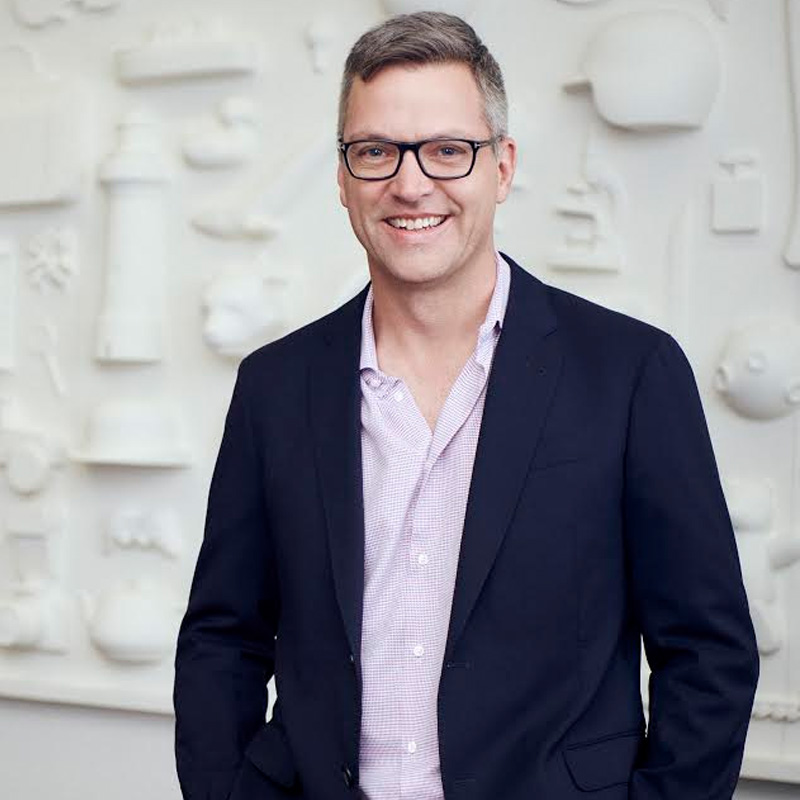
New Delhi: It’s one of the great truths that some of the most significant events in human history have left a lasting legacy of unanticipated and permanent societal change. Last year the global pandemic caused the world to enter a long, dark tunnel from which it is yet to emerge. We don’t know yet what its permanent legacy will be, but in media and entertainment, streaming has catapulted to the forefront as the fastest-growing segment for content consumption.
It’s true, the global content viewing revolution had already begun with the birth of global SVOD players like Netflix and Amazon in the last decade, but in 2020 digital transformation was supercharged. In the FICCI-EY report ‘Playing by new rules’ (March 2021), 37 per cent of surveyed Indian consumers said they are more likely to consume their media via OTT after the pandemic. For home entertainment, the digital age has well and truly arrived.
OTT (over-the-top) streaming services thrive by offering low-cost, high utility alternatives to traditional television and make money by mining the margin previously enjoyed by pay and FTA broadcasters who have much higher infrastructure costs. Their algorithm-directed content picks take the place of human-driven programming selections and deliver the customer a sense of personalisation and “endless choice”, which sometimes belies the actual quantity of programmes available. These services’ responsiveness to consumer behaviour, with their ability to serve up just enough of the right content to maximise subscription and to reduce churn, also sets them apart. If they can find their niche in a crowded market they can be incredibly successful.

The global OTT market is huge and growing fast – estimated by Research Dive to grow at a CAGR of over 19 per cent out to 2026 becoming then worth over US$400 billion globally. This surging growth, never stronger in a single year than in 2020, has led to the mass uptake of a huge range of existing and new local and global platforms and services. Many of these services were accessed for the first time by individuals and families who were living through months of economic and social lockdowns.
In the Asia Pacific, more broadly, according to PWC, the regional OTT market will surpass that of the United States sometime in 2021.
Last year, everyone was talking about the most popular streaming shows. If it wasn’t The Crown, it was The Queen’s Gambit or Criminal Justice: Behind Closed Doors on Disney+ Hotstar, produced by BBC Studios India. In India, there are now more than 40 OTT providers in a crowded market challenging for a share of the valuable streaming wallet.
Our content sales business has been able to benefit from this growth. In India last year BBC Studios struck a deal with Lionsgate Play to showcase premium dramas Brexit, Pure, Class, Les Miserables and SS-GB. The ever-popular Doctor Who reached its audience on Disney+ Hotstar and Amazon Prime Video. Celebrated BBC pre-school content appeared on Voot Kids, providing entertaining and educational content for young families stuck at home. Sony BBC Earth also had a strong year.
How are producer-distributors to continue to respond to this challenge and yet potentially huge opportunity? One thing that has become apparent is the vital importance of the ownership of intellectual property. This realisation was the driving force behind the 2018 spin-off of the BBC’s in-house production arm and consolidation with distribution company BBC Worldwide, to create a producer-distributor powerhouse, BBC Studios. And no doubt, ownership of content and IP has become even more important since then.
As an owner, BBC Studios extracts value at all points in the IP’s lifecycle, from initial production to distribution to licensing and merchandising. But it doesn’t end there. Running a true IP ecosystem also requires participation in the OTT market itself. The development of authenticated VOD service – BBC Player in Singapore and Malaysia and the partnership with ITV in streaming service BritBox, which is enjoying huge success in the US, Canada, and Australia are evidence of this.
In the US, many of the big studios executed gigantic mid-course pivots to streaming, involving consolidation, big money investments, channel closures, and painful restructuring. Last year, Warner Brothers stunned the market by announcing that they planned to release their entire 2021 film slate on HBO Max simultaneously with movie theatres in the US.
Recently we learned that Disney will take the unprecedented step of closing 18 of their linear channels in South East Asia and Hong Kong to concentrate on their OTT business. Both seem incredibly bold but understandable moves given the state of the market, the pace of change, and the growing size of the streaming prize.
Linear channels will continue, albeit on a slow decline in some markets. MPA recently forecast that total pay-TV industry revenues will actually grow at a CAGR of 3 per cent between 2020-25, driven by India, China, and Korea. However, those still in the linear business must continue with the modernisation of their services, building digital extensions, and increasing their cost efficiency while preparing to participate in a primarily digital future.
The advent of OTT streaming delivers a stark choice for IP owners – either stay on the sidelines and risk having their primary business model eroded, or take the plunge and transform their business model to take advantage of the age of streaming.
(Jon Penn is the executive vice president for BBC Studios APAC. The views expressed in the column are personal and Indiantelevision.com may not subscribe to them.)







e-commerce
Instamart partners with Kalyan Jewellers for Gold Rate Protection this Akshaya Tritiya
Quick commerce platform lets customers lock in gold prices and pay the lower rate on delivery day.

MUMBAI: Instamart has found a golden way to take the stress out of festive buying by letting customers lock today’s rate and still benefit if prices fall. India’s pioneering quick commerce platform has teamed up with Kalyan Jewellers to introduce Gold Rate Protection, a first-of-its-kind feature for Akshaya Tritiya. Customers can now pre-book BIS hallmarked gold coins on the Instamart app between 10 and 16 April 2026 by paying just 5 per cent advance (starting from Rs 500 for a 0.5 gm coin) and take delivery on 19 April.
On the delivery day (between 8:00 AM and 12:00 PM IST), buyers will pay the lower of the two prices, the rate locked at pre-booking or the market rate on delivery day. As an added festive bonus, all pre-book customers will receive a free silver coin from Kalyan Jewellers.
Arjun Choudhary, VP Growth at Instamart, said the feature was designed to give consumers greater confidence during the auspicious occasion. “By allowing users to secure a price in advance while still benefiting from any price drops, we strive to offer strong overall value,” he noted.
Kalyan Jewellers, executive director Ramesh Kalyanaraman added, “Gold rate protection has been a preferred feature across our retail showrooms. With Instamart, we are extending this convenience for the first time to a quick commerce platform.”
Last year, Instamart witnessed a surge of over 500 per cent in gold and silver coin sales on Akshaya Tritiya compared to Dhanteras, highlighting the growing trust in quick commerce for culturally significant purchases.
This initiative underscores Instamart’s continued push beyond everyday essentials, positioning the platform as a reliable destination for meaningful, occasion-led buys delivered with speed and trust.
This Akshaya Tritiya, Instamart and Kalyan Jewellers have made buying gold not just auspicious, but also refreshingly smart proving that even in the world of quick commerce, some things are worth the wait (and the protection).







