iWorld
GUEST COLUMN: Mobile marketing in the OTT landscape: Big opportunity for digital marketers

Mumbai: The rise in both viewership and engagement of over-the-top (OTT) has opened up a world of possibilities for marketers looking for new and better ways to reach their consumers sitting in the comfort of their homes. Recent reports estimate that the OTT segment will grow to approximately $ four billion by 2025.
Confirming this trend, India saw a huge upsurge in media consumption between March and June 2020. By the end of 2020, OTT video subscribers almost tripled to nearly 62 million, up from 32 million at the end of 2019. This accelerated growth of the Indian SVOD industry is assumed to be caused by the Covid-19 pandemic.
Despite the fact that the OTT streaming business is dominated by large corporations such as Netflix, Hulu, YouTube, and Amazon Prime, smaller OTT streaming services continue to emerge. In order to have an edge over these budding competitors, it’s essential to utilise the power and proven results of mobile marketing.

Before we dive into the strategies, below are some major trends that mobile marketers must be cognisant of, to make the best use of this ripe opportunity:
Mobile is becoming the first choice for content: Mobile has surpassed traditional TV as the main growth route for video distribution. In fact, mobile collaborations now account for more than half of all recent OTT video bundle deals, indicating that customers are increasingly using mobile devices. As more MNOs subsidise at no additional cost to encourage upsell and retention, this trend is anticipated to continue.
The rise of 5G: Because 5G internet is projected to become the standard, especially in metropolitan areas, it will permanently transform streaming patterns.
Shared viewing due to lockdown: The entire population has been forced to stay at home owing to worldwide lockdowns, which has resulted in a fast rise in the consumption of content. Many OTT platforms, such as Netflix and Disney+, quickly acted on this and launched technology that allows individuals to view films together on a video chat, allowing platform users to stream in sync, to assist customers to isolate themselves and social distance. GroupWatch on Disney+ and Teleparty on Netflix have been huge hits, and it’s a trend that is likely to remain.
Shift in OTT Model: Live and linear OTT services, which are projected to be an essential element of the future generation of OTT video, have a large growth opportunity based on existing watching trends and untapped video segments. Pay-TV providers are ideally positioned to offer live streaming services that make use of content that is best enjoyed in real-time, such as news, weather, talk programs, and sports. In the future, the content will be re-bundled under an OTT structure, whereas the previous cable model concentrated on content unbundling.
Now, in OTT, when it comes to developing a short- or long-term marketing strategy, mobile marketing is a critical component. There’s a mobile marketing channel for every segment of your audience where they are most comfortable, from email to pay-per-click (PPC), search engine optimisation (SEO), content marketing, and social media marketing.
To be effective with mobile marketing, marketers must provide a consistent experience that customers expect—which may be difficult to do when you’re trying to attract, engage, and retain people across several platforms.
Following are some of the key things that marketers must keep in mind while crafting strategies for the OTT landscape-
Push notifications are key: User-behavior-driven push notifications should remain a crucial component of the entire engagement plan, which are proven to boost engagement rates by as much as 80 per cent.
Value recommendations of customers: It’s extremely important for marketers to understand the preference of their customers and value their suggestions. Viewing history, in-app behavior, and daily time of app launch are some of the data points that when accumulated continuously will give a wealth of information on customer behavior, significantly helping personalisation. This personalisation will further help in increasing in-app time spent by generating the most appropriate content recommendations over time.
Timing is crucial: Focusing on personalisation and context is very important to make mobile marketing work for OTT platforms. However, what’s also important is delivering the content, suggestions, and notifications at the correct time, the results of which are proven to be phenomenal.
Conversion of freemium subscribers to paying customers is imperative: Acquiring users is definitely important when it comes to implementing a growth strategy, but the end goal should be to turn the subscribers who are consuming content for free into paying customers. Hence, marketers need to focus on pitching the platform’s subscription options, with appropriate personalisation, to the customer.
Make the customers feel important: Finally, building brand loyalty is the key at every stage, and this can be done by making customers feel valued by addressing their feedback. Hence, through personalised and crafted push notifications and in-app messages, repeat users can be encouraged to rate and review the OTT platform.
Connecting the links between online and offline media is the future of mobile marketing. When used with other, more traditional media, mobile is a strong tool that should be viewed as the glue that holds everything together. The competitive environment for OTT apps, both native and browser-based, is continuously shifting. Benchmarking one’s performance and development versus industry norms is essential for marketers.
OTT marketers need to note that distinctions between the provision of and accessibility to high-quality content across OTT platforms will continue to merge. How they can achieve a substantial competitive edge is by using data-driven AI-powered customised, relevant, and time-bound multi-channel dialogues with consumers. For successful user engagement for your media, marketers must take advantage of every single mobile moment!
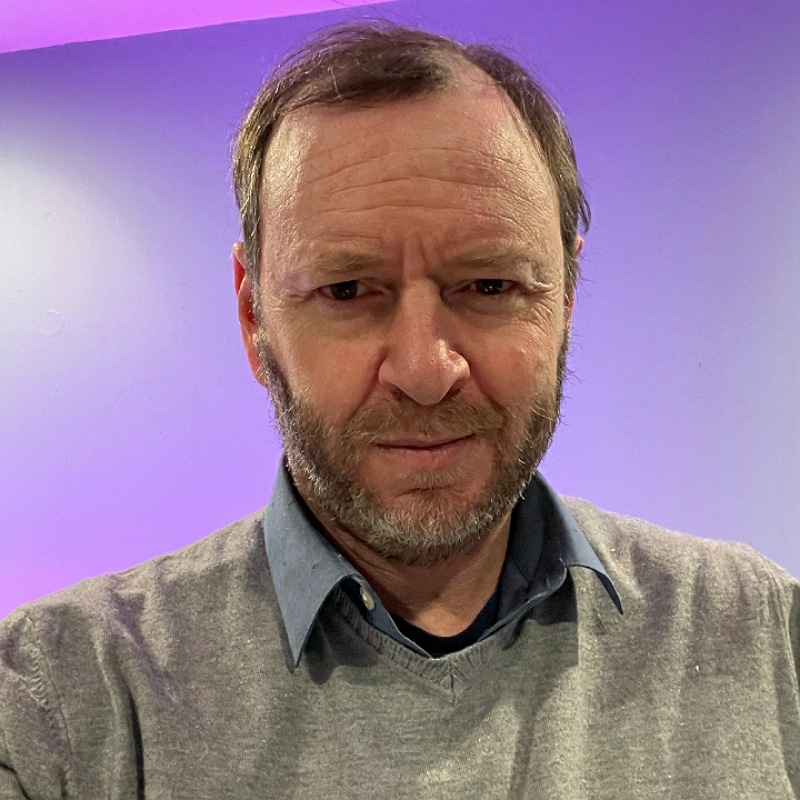
(Dave Dabbah is former chief marketing officer of CleverTap. The views expressed in the column are personal and Indiantelevision.com may not subscribe to them.)







eNews
Piyush Thakur steps down as Inshorts’ chief revenue officer
Former vice president and cro says exit marks a new chapter after close to a decade of building revenue and partnerships at Inshorts Group.
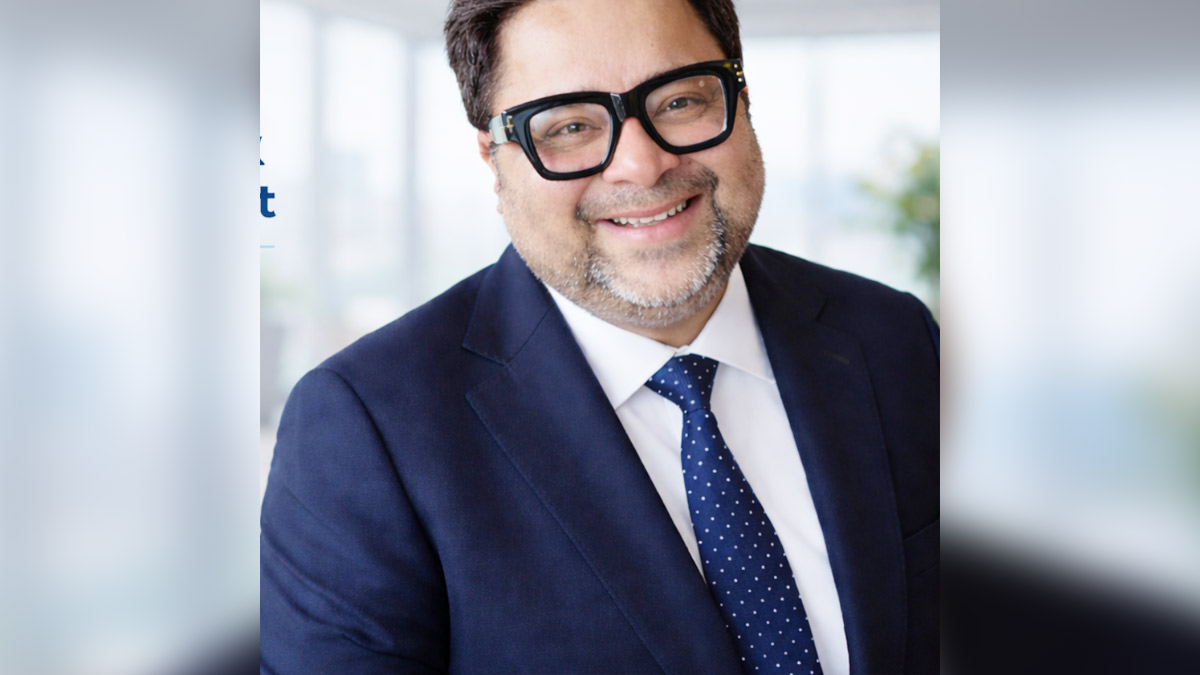
NOIDA: Piyush Thakur has stepped away from Inshorts Group after nearly 10 years with the company, marking the end of a long tenure that culminated in his role as chief revenue officer.
In a farewell note, Thakur said he was “turning a new page” after almost a decade at Inshorts, calling it one of the hardest professional decisions he has made. He added that his exit was not driven by uncertainty about the future, but by reflection on a long association with the company.
Thakur joined Inshorts in October 2016 as vice president and spent around seven years in the role before being elevated to chief revenue officer in April 2024, a position he held until April 2026.
He said his tenure was defined by “thousands of mornings, late nights, product debates and breakthrough moments”, as the company evolved into a large-scale digital news platform used by millions.
In his note, Thakur emphasised that Inshorts’ growth was a collective effort across teams, adding that engineers, designers, sales teams and customer support staff all contributed to building the platform. He said the company’s success was not the result of individuals but of “everyone who stayed, passed through, and left their mark”.
Before Inshorts, Thakur worked across several digital media and business development roles. At ESPN, he served as senior regional manager from October 2015 to October 2016, focusing on growth initiatives, strategic opportunities and video distribution.
At Times Internet, he worked for nearly three years, including as head of business development from April 2015 to September 2015 and chief manager from January 2013 to March 2015. His responsibilities included monetisation of mobile platforms, managing media and developer partnerships, and driving revenue across digital properties such as The Times of India and The Economic Times.
Earlier, he worked at Brandmovers as head of business development from June 2012 to June 2013, handling digital, mobile and social media marketing solutions, client development and strategic consulting. During this period, he also worked on advertising revenue, brand strategy and CRM-based solutions.
At Inshorts, Thakur’s role focused on revenue strategy, mobile and media partnerships, and growth initiatives across platforms. His profile highlights experience in mobile product management, digital business models, partner ecosystems and revenue expansion in high-growth environments.







