I&B Ministry
Govt. accepts Jawhar Sircar’s request for early retirement

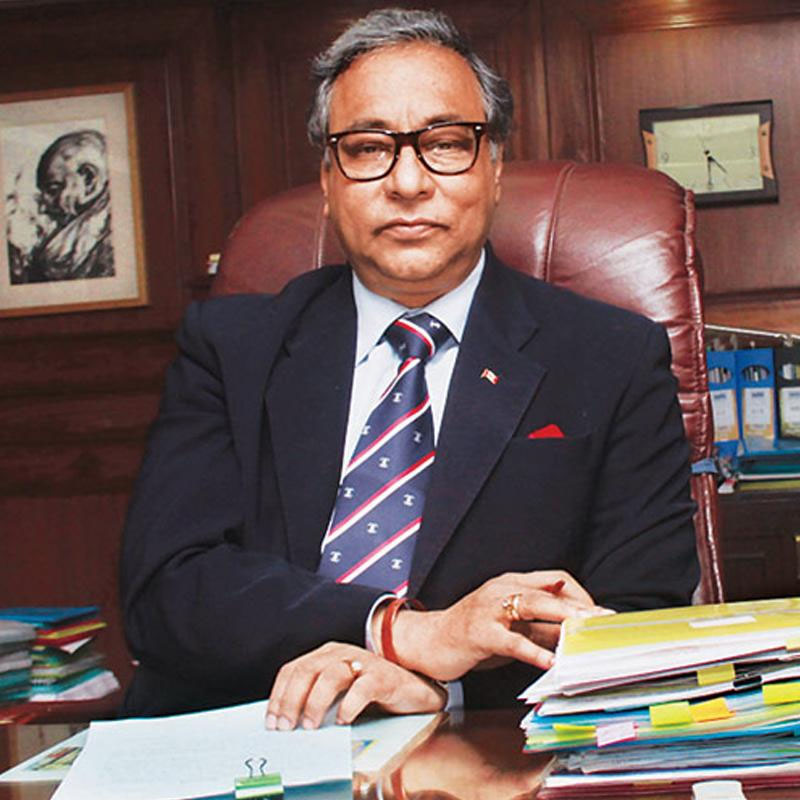
NEW DELHI: A media-savvy chief executive of Prasar Bharati Jawhar Sircar used the social media to announce yesterday that the Indian government has accepted his resignation from the pubcaster and acceded to his request for an early retirement.
Sircar was originally to complete his term as the Indian pubcaster’s chief executive and attain superannuation first quarter of 2017.
On a quiet Sunday, when most Indians were getting ready for a new season of Big Boss later in the evening having watched Indian cricket team romp home to victory over Black Caps in a 50-over game in Dharamshala, Sircar used Facebook to announce that the government had formally cleared the way for his early ride into the sunset.

“Time to quit, after eventful 41.5 years in IAS (Indian Administrative Service) and beyond. Central Govt (government) has accepted my resignation. Done enough: no more govt or private jobs. Free man, finally. Only books !” Sircar posted on his FB page Sunday evening in his usual flamboyant style.

Interestingly, it was another September weekend — Saturday to be specific — when Sircar had used FB to state and clarify he wanted to quit Prasar Bharati before his tenure ended officially and alluded to a time-frame too. “Since news is out today…I hope to be back in Kolkata by NOV(ember),” he had then said on social media.
Sircar, who took office mid-February 2012 has been at odds, at times, with Ministry of Information and Broadcasting (MIB), including Ministers, and even the Prasar Bharati Board. Still, he had told indiantelevision.com in September when contacted that MIB and Prasar Bharati Board were “in sync and supportive.”
Sircar, who took early retirement as Secretary, Ministry of Culture, to take up the challenging job of chief executive of Prasar Bharati, which manages All India Radio and Doordarshan, is an expert in art and culture and has lectured on the issues in India and abroad.
ALSO READ:
Jawhar Sircar sets 12-point action plan before early retirement
Prasar Bharati CEO Jawhar Sircar officially seeks early retirement
Prasar Bharati’s monopolistic-era mind-set has to change: CEO Jawhar Sircar




I&B Ministry
India tightens anti-piracy law, blocks sites and Telegram channels
New rules bring jail terms, fines and faster takedowns of illegal content
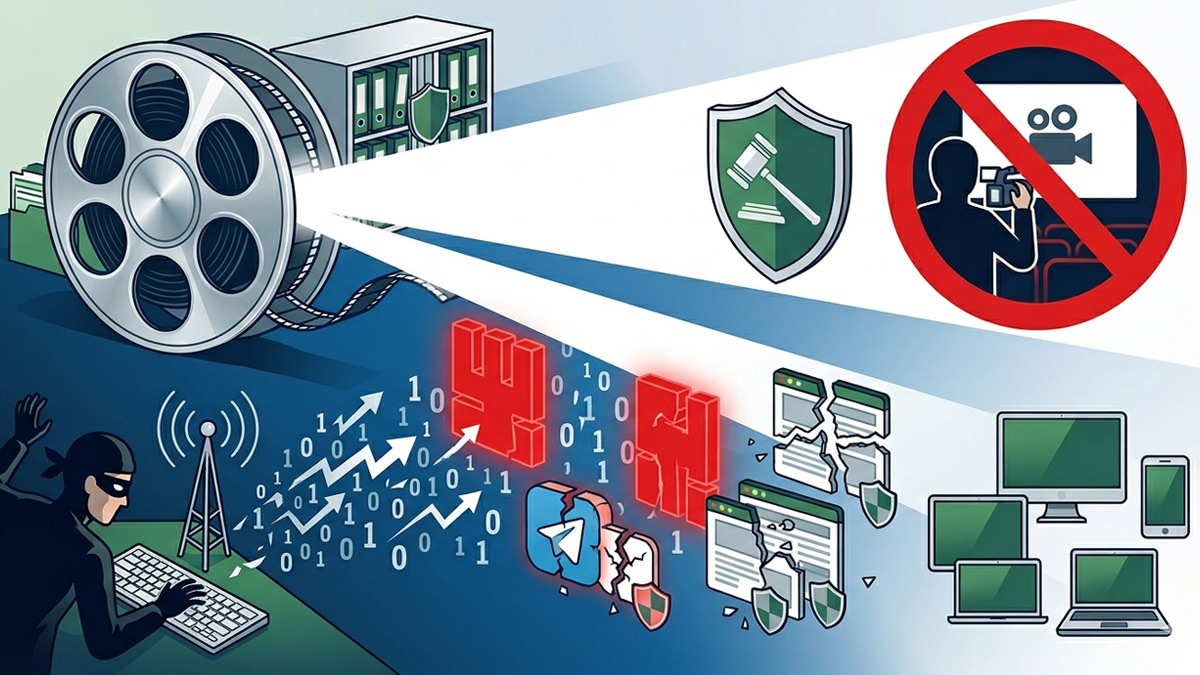
NEW DELHI: The Government of India has stepped up its fight against film piracy, invoking stricter provisions under the Cinematograph Amendment Act 2023 to crack down on unauthorised recording and distribution.
The law now imposes tougher penalties, including jail terms ranging from three months to three years and fines starting at Rs. 3 lakh, which can go up to 5 per cent of a film’s production cost. The provisions target both illegal recording in cinemas and unauthorised online transmission.
In a fresh enforcement push, authorities have notified the Telegram platform to act against piracy, leading to the identification of 3,142 channels allegedly distributing copyrighted content without permission. In parallel, access to around 800 piracy websites has been blocked through internet service providers.
The action has been taken under the Information Technology Act 2000, which empowers the government to direct intermediaries to remove unlawful content. The framework is further reinforced by the Information Technology Rules 2021, requiring platforms to act swiftly when notified of violations.
An institutional mechanism is also in place, allowing copyright holders and authorised representatives to file complaints through designated nodal officers. Once verified, these complaints trigger takedown notices to intermediaries for disabling access to infringing content.
The update was shared in Parliament by Government of India minister of state information and broadcasting l murugan in response to a query from Parimal Nathwani.
The government’s latest move signals a sharper, more coordinated approach to tackling piracy across both physical and digital channels. For the film industry, it is a step towards protecting revenues, while for viewers, it reinforces the shift towards legitimate content consumption.








