eNews
Google to launch search service on TV programmes

MUMBAI: Leading search engine Google is spreading its wings beyond the web. The California-based company is all set to forge an association with broadcasters to provide a service allowing web users to find content in television programmes. The feature will provide information and videos broadcast on television.
Google video will be placed in the Google Labs section in an index which will operate separately from the home page. Initially Google will provide programme information and visuals from channels like ABC, PBS, Fox News and C-SPAN.

The search engine will display up to five still video images from the indexed television programmes, as well as snippets from the show’s narrative. The results will also provide information on the programme schedules. Surfers will be able to access local programming information by keying in the ZIP code.
Google has already revealed its plans to digitally convert and make searchable millions of books from the libraries of leading universities in the US. Reportedly, rival Yahoo also has plans to launch a video search service for television programmes. It had launched Yahoo Video Search, a trial version, in mid-December 2004.






eNews
Swiggy sees record orders during India vs New Zealand T20 final
Chicken biryani tops match-day menu as fans order 7,500 times per minute at peak.
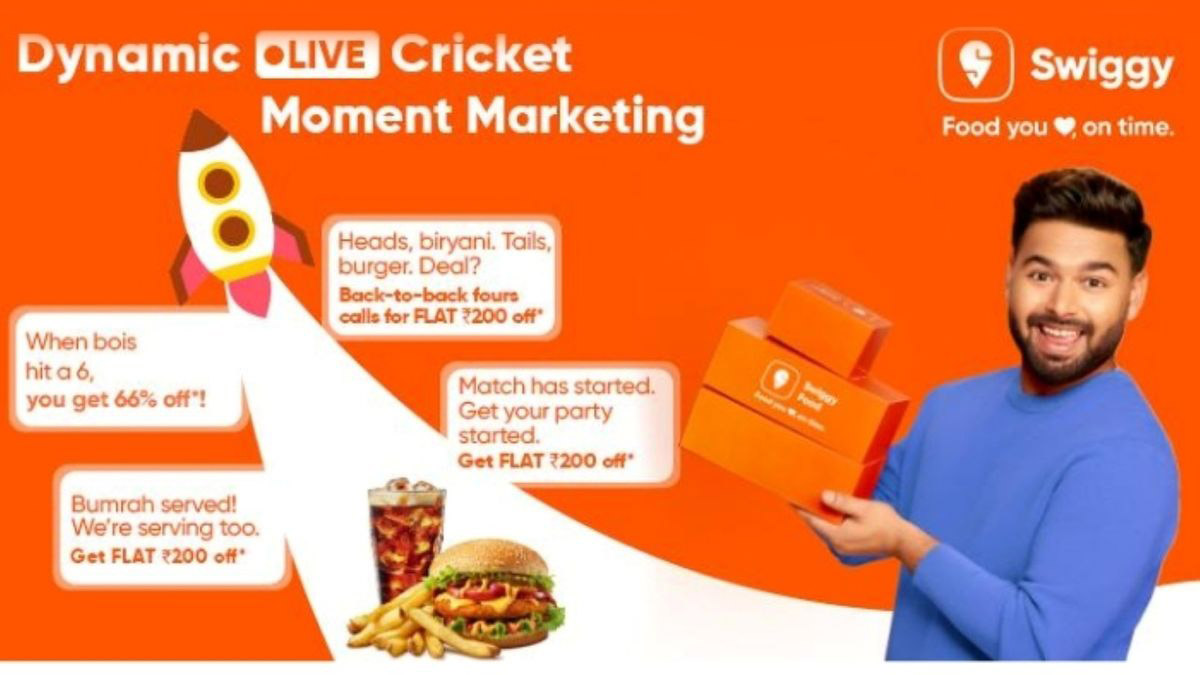
MUMBAI: India’s T20 final didn’t just break stumps, it broke Swiggy’s delivery records, proving cricket fans celebrate victories with plates, not just flags. Swiggy, India’s leading on-demand convenience platform, reported a sharp spike in food orders during the ICC Men’s T20 World Cup final between India and New Zealand. On 8 March 2026, overall orders rose 23.2 per cent year-on-year compared with the same date in 2025, driven by fans turning living rooms into mini stadiums complete with match-day feasts.
Key highlights from the evening:
- Orders during peak match hours (7–10 pm) were 2.1 times higher than pre-match levels.
- The highest order rate hit 7,500 orders per minute at 19:45.
- Chicken biryani reigned supreme as the most-ordered dish, followed by masala dosa, chicken fried rice, garlic breadsticks and paneer butter masala.
While metros such as Bengaluru, Mumbai and Hyderabad led volumes, the cricketing fever spread nationwide. Among emerging cities, Thiruvananthapuram, Surat and Rajkot recorded the strongest order growth. Smaller markets including Shillong, Agartala and Port Blair also showed significant appetite, underlining the expanding footprint of quick-commerce food delivery across India.
The surge reflects a growing trend of pairing major sporting events with doorstep delivery, turning big matches into shared, convenient celebrations. In a night where every boundary mattered, Swiggy proved the real MVP might just be the delivery partner who kept the snacks and the vibes flowing without missing a single wicket.