Gaming
Global Kartel partners with Ampverse DMI for College Rivals season two

Mumbai: Global Kartel, a marketing and advertising agency, has joined forces with Ampverse DMI for the second season of their innovative IP College Rivals, an Indian esports and entertainment college talent hunt.
Positioned as India’s largest esports talent hunt, College Rivals seamlessly blends music, pop culture, and comedy to create a unique experience. With Global Kartel and its youth marketing arm, BoomPanda on board, the IP will benefit from comprehensive marketing expertise and innovative strategies tailored to engage the youth demographic.
Moreover, Global Kartel has a rich background of collaborating with over 100 plus clients on more than 1000 projects, including prominent brands like Paytm Insider, Zomato, Nodwin Gaming, Groww, EatClub, ZEE Entertainment, Rapido, Amazon Pay, and Colors Infinity. Their contributions to the success of major events such Dreamhack, NH7 Bacardi Weekender, Zomaland and Sunburn featuring Martin Martin Garrix India tour showcase their ability to drive large-scale initiatives and pioneering the student ticket category in the Indian entertainment industry.

By leveraging the expertise of Global Kartel, Ampverse DMI looks to ensure maximum participation, enhance audience engagement, and boost brand visibility for College Rivals season two.
Commenting on their partnership, Global Kartel CBO & co-founder Adesh Kolhe stated, “We are excited to join hands with Ampverse DMI for the second season of College Rivals. At Global Kartel, we have always believed in the power of innovative and immersive experiences, and College Rivals is a shining example of this. With our extensive experience in brand, commerce, content, and creativity, we aim to bring an unparalleled level of excitement and engagement to the IP. The synergy of gaming, pop culture, and entertainment in College Rivals offers a unique format that we are excited to amplify through our strategic marketing efforts. We look forward to enhancing this landmark event and contributing to the discovery of the next generation of esports talent in India.”
Since its inception, College Rivals has connected college students’ passion for gaming with their aspiration to become professional players. Its first season garnered over 100 million views and attracted 92,000 plus participants across five cities and 25 colleges.
Season two promises to be even more spectacular, with Global Kartel designing and executing on-ground activations and youth marketing campaigns across 50 plus colleges in 20 cities to ensure high levels of participation and excitement. Players will compete in popular games such as BGMI, Valorant, and EAFC 24, vying for a total prize pool of Rs 50 lakhs.
“College Rivals Season 2 is poised to ignite and empower collegiate rivalries, and our partnership with Global Kartel’s youth marketing arm BoomPanda is pivotal in aiming to unite and enhance impact through shared passion and purpose. Together, we are pioneering new avenues of collaboration across campuses in India, catalyzing innovation and cultivating camaraderie that transcends traditional competition, while innovating in-ground activations,” said Ampverse DMI country head Ashwin Haryani.
With College Rivals season two already underway, the partnership between Global Kartel and Ampverse DMI promises to set new standards in collegiate esports and entertainment.




Gaming
Konami concludes successful eFootball India campaign
Campaign featuring Rinku Singh, Varun Chakravarthy and other stars boosts engagement ahead of FIFA World Cup 2026.
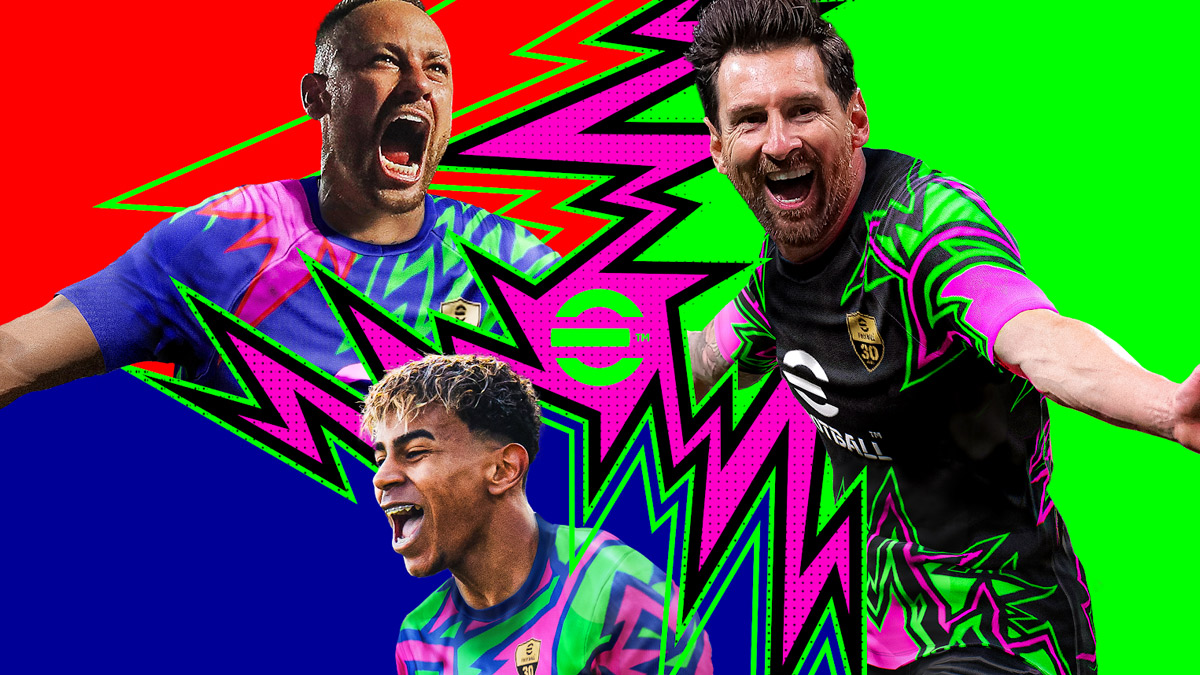
MUMBAI: When cricket meets football in the virtual world, even the biggest fans can’t help but score and Konami’s latest eFootball campaign in India has clearly hit the back of the net. Konami Digital Entertainment has successfully wrapped up its India campaign for eFootball, which brought together cricketers Rinku Singh and Varun Chakravarthy, actors Naslen Gafoor and Chandu Salim Kumar, and footballers Sahal Abdul Samad and Shubhasish Bose. The multi-star campaign generated strong excitement across gaming, football, and creator communities through social content, fan participation, and in-game engagement.
Building on the initial launch that featured a limited-time Lionel Messi card, the campaign united fan communities, lifestyle creators, football creators, and competitive eFootball influencers. It significantly expanded the game’s visibility and deepened engagement with fans across the country.
The campaign also saw thousands of entries submitted as part of its social media engagement challenge, reflecting high levels of community enthusiasm and active creator involvement.
Looking ahead, Konami plans to build on this momentum with more eFootball experiences for Indian fans as the FIFA World Cup 2026 approaches. With global attention on the tournament set to rise, India will remain a key market for deepening community engagement and bringing fans closer to the action.
In a country that lives and breathes sport, Konami has shown that mixing real-world stars with virtual thrills is a winning formula leaving fans eagerly waiting for the next goal.






