Gaming
Game over? Gaming giants roll the dice on life after India’s RMG ban

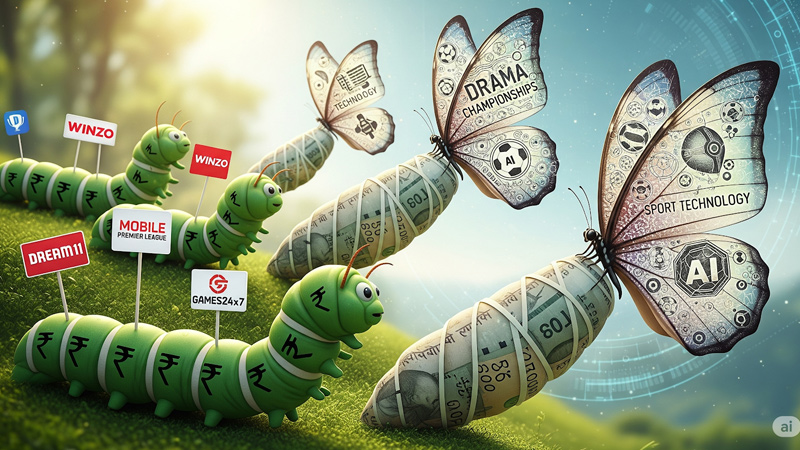
MUMBAI: When the house always wins, sometimes the only move left is to change the game. That’s exactly what India’s biggest online gaming giants are scrambling to do after the Promotion and Regulation of Online Gaming Bill, 2025 pulled the plug on all real-money contests skill or chance alike.
Fantasy sports kingpin Dream11, India’s largest operator, is preparing to close its real-money business. CEO Harsh Jain told employees there was “no legal pathway to continue operations once the law takes effect.” In public remarks, Jain added, “We have always been a law-abiding company and have always conducted our business in compliance with the law. While we believe that progressive law would have been the way forward, we will respect the law and fully comply with the Promotion and Regulation of Online Gaming Bill 2025.”
Winzo has officially launched in the United States, following its Brazil entry in 2023. With this, the company now straddles three of the world’s top four mobile gaming markets India, Brazil, and the US together worth 65–70 billion dollars. Positioned as a Tech Exports 2.0 story, Winzo aims to take Indian gaming IP, talent, and culturally relevant content global through its plug-and-launch distribution model. Backed by 250 million users, 100 plus games, 15 languages, 100 plus patents, and its 50 million dollars Zo Fund, Winzo is scaling innovation beyond India while responsibly exiting real-money formats at home.

“The launch of Winzo in the United States is a proud milestone for us and for India’s digital entertainment ecosystem. Our vision has always been to empower Indian game developers to reach global audiences. Entering the U.S., the world’s largest and most influential gaming market, is a decisive step towards that mission. We are equally excited to introduce ZO TV, our new short video format, which further diversifies our content offerings and strengthens Winzo’s position as a global hub and one stop destination for interactive entertainment,” said Winzo co-founders Saumya Singh Rathore and Paavan Nanda.
The financial impact was immediate. Jain revealed that after the bill’s enactment, “95 per cent of revenues disappeared,” describing the legislation as a “knockout blow.” Still, he struck a note of resilience, insisting Dream Sports has “sufficient reserves to sustain its business during this transition” and can adapt by leaning on other ventures like Fancode, Dreametgo and Dream Game Studios.
The pivot is not just about apps. Dream Sports is now pushing an AI-first strategy, with Jain saying the technology could disrupt “every part of sports: content, commerce, performance, and coaching.” Beyond tech, it is doubling down on grassroots development. At the first Telangana Sports Conclave, COO Sumit Pandey highlighted how the Dream Sports Foundation is backing long-term athlete journeys. “By investing in inclusivity and accessibility,” he noted, the company hopes to carve a sustainable role in India’s sporting ecosystem beyond gaming.
Meanwhile, Zupee has pulled the plug on its cash contests, but insists the fun isn’t over. Announcing the withdrawal of its RMG offerings, the Gurugram-based company reassured its 150 million-strong user base that its platform will continue to host fan favourites like Ludo Supreme, Ludo Turbo, Snakes & Ladders and Trump Card Mania.
“Our foremost priority has always been our users, and we remain committed to offering them innovative, responsible, and joyful gaming experiences,” the company said in a statement. “We will continue to focus on engaging, and culturally rooted free-to-play gaming formats…” It added that the aim now is to serve players with entertainment that is “fun, engaging and responsible.”
MPL (Mobile Premier League), backed by Sequoia and Pegasus, has also hit pause on money-based offerings in India. The platform is funnelling resources into free-to-play titles at home, while going aggressively global with eyes on Europe, the US, and Latin America.
Games24x7, operator of Rummycircle and My11circle, has stopped accepting deposits and shut its real-money engine. While tight-lipped publicly, industry watchers note the company’s focus may shift towards broader tech plays such as Techxpedite, its accelerator for AI, gaming and tech startups.
For some, the ban was simply the end of the road. Flutter Entertainment, the global gambling powerhouse behind Junglee Rummy, announced a full India exit, cutting off over 1,100 employees and chalking up a 200 million dollars revenue loss for 2025. CEO Peter Jackson voiced frustration: “We were disappointed… this regulation might push users toward unregulated markets lacking consumer protection and economic contributions.”
Gameskraft, one of India’s biggest rummy operators, also chose compliance over confrontation. “As a responsible and law-abiding corporate entity, Gameskraft has no intention of pursuing any legal challenge to the legislation. We fully respect the legislative process and remain committed to operating within the framework of the law…” a spokesperson said. They stressed the company’s ongoing commitment to “constructive dialogue with policymakers and stakeholders, responsible innovation, player protection, and regulatory alignment.” Gameskraft noted it had stopped all ‘Gameplay’ and ‘Add Cash’ services as of August 21.
Not every player was equally exposed. Nazara Technologies, whose stock briefly dipped seven per cent on the news, clarified that it has no direct involvement in real-money gaming and therefore faces little business impact. “The bill is unlikely to significantly affect our financial performance,” the company said.
Industry associations, however, remain combative. AIGF, EGF and FIFS warned in a letter to home minister Amit Shah that a blanket ban could wipe out Rs 20,000 crore in annual tax revenue and drive players to offshore platforms raising risks of fraud, money laundering and data breaches.
Delta Corp’s Adda52, India’s top poker platform, is also feeling the squeeze. Its stock has plunged nearly 34 per cent in a year, with an additional nine per cent shaved off after the Bill passed. But unlike pure-play fantasy or rummy firms, Delta still has chips left on the table, its casinos in Goa, Sikkim and Daman remain unaffected. Even before the ban, Delta had lined up a demerger of its hospitality and real estate arms, ring-fencing casino operations for the long haul.
Between AI-powered sports labs, grassroots investments, free-to-play contests and casino strongholds, the industry is scattering in every possible direction. The only certainty? Real money has left the building but the game is far from over.







Gaming
Konami concludes successful eFootball India campaign
Campaign featuring Rinku Singh, Varun Chakravarthy and other stars boosts engagement ahead of FIFA World Cup 2026.
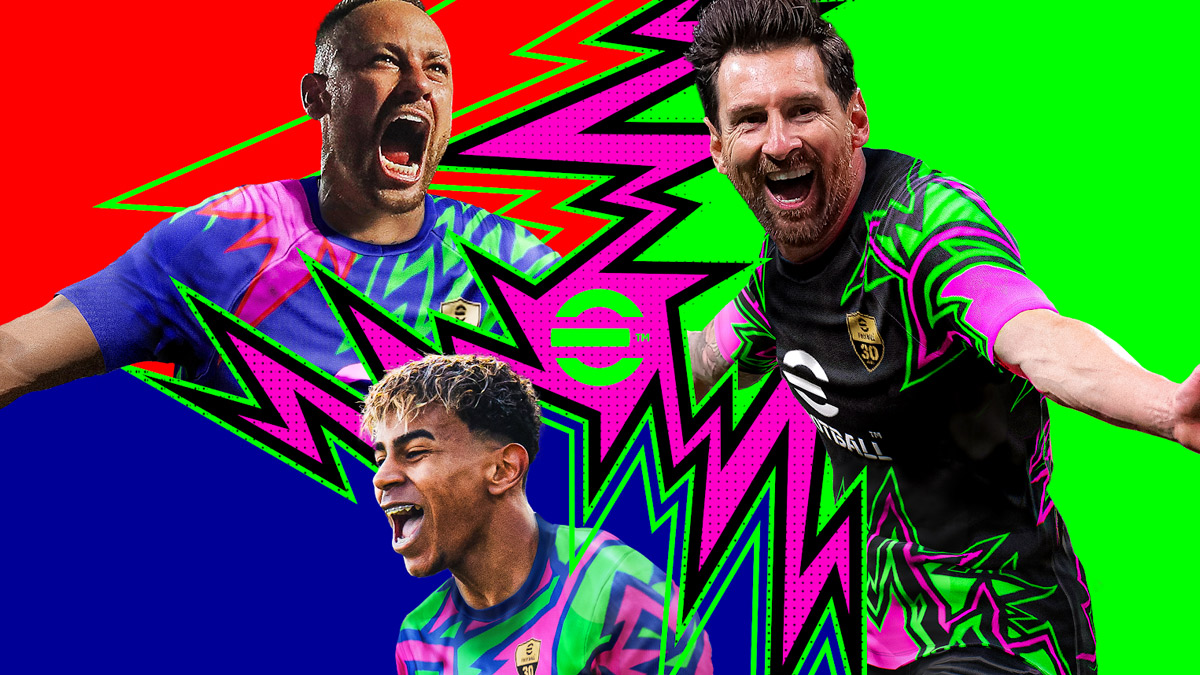
MUMBAI: When cricket meets football in the virtual world, even the biggest fans can’t help but score and Konami’s latest eFootball campaign in India has clearly hit the back of the net. Konami Digital Entertainment has successfully wrapped up its India campaign for eFootball, which brought together cricketers Rinku Singh and Varun Chakravarthy, actors Naslen Gafoor and Chandu Salim Kumar, and footballers Sahal Abdul Samad and Shubhasish Bose. The multi-star campaign generated strong excitement across gaming, football, and creator communities through social content, fan participation, and in-game engagement.
Building on the initial launch that featured a limited-time Lionel Messi card, the campaign united fan communities, lifestyle creators, football creators, and competitive eFootball influencers. It significantly expanded the game’s visibility and deepened engagement with fans across the country.
The campaign also saw thousands of entries submitted as part of its social media engagement challenge, reflecting high levels of community enthusiasm and active creator involvement.
Looking ahead, Konami plans to build on this momentum with more eFootball experiences for Indian fans as the FIFA World Cup 2026 approaches. With global attention on the tournament set to rise, India will remain a key market for deepening community engagement and bringing fans closer to the action.
In a country that lives and breathes sport, Konami has shown that mixing real-world stars with virtual thrills is a winning formula leaving fans eagerly waiting for the next goal.






