Gaming
Game on campus as Samsung powers College Rivals Season 3

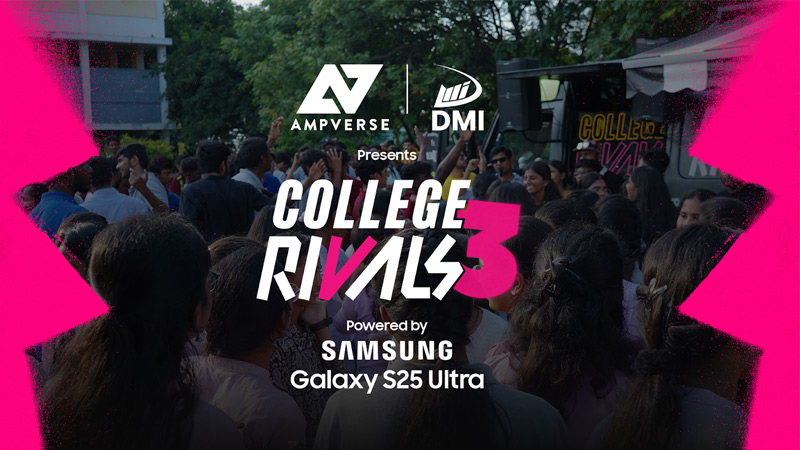
MUMBAI: When lectures pause and thumbs take over, India’s campuses are increasingly turning into battlegrounds. Ampverse DMI has roped in Samsung as the title sponsor of College Rivals Season 3, placing the Galaxy S25 Ultra at the heart of competitive collegiate gaming.
Esports has been quietly but rapidly levelling up across Indian colleges, with student gamers demanding devices that can keep pace with long sessions, split-second reactions and visually intense gameplay. Tournaments like College Rivals have become testing grounds where flagship smartphones face real pressure not lab benchmarks, but sweaty, high-stakes matches.
At the core of this season is Samsung’s Galaxy S25 Ultra, powered by the Snapdragon 8 Elite for Galaxy, a customised processor built for heavy lifting. Compared to the previous generation, it delivers a 40 per cent boost in NPU performance, 37 per cent in CPU and 30 per cent in GPU numbers that matter when milliseconds decide winners.

Samsung says the hardware is tuned for sustained play, not just bursts of speed. The device features a 6.9-inch Dynamic Amoled 2X display with a 120Hz refresh rate and anti-reflective coating, while a vapour chamber that is 40 per cent larger than before works alongside tailored thermal materials to keep temperatures in check during intense sessions.
Under the hood, the Galaxy S25 series brings advanced AI-driven image processing, including ProScaler, which improves display image scaling quality by up to 43 per cent. It also integrates Samsung’s mobile Digital Natural Image engine directly into the processor to improve power efficiency, a quiet but critical upgrade for marathon gaming.
On the graphics front, advanced ray tracing and a Vulkan engine aim to push visuals closer to console-level realism, improving both rendering and computing workloads during gameplay.
For organisers, the partnership is about more than devices. College Rivals Season 3 is expanding to over 70 colleges across 20 cities, introducing additional qualifiers and new team-based BGMI formats designed to raise the competitive bar. The scale reflects how campus esports is shifting from niche clubs to mainstream youth culture.
Ampverse and DMI see the platform as a pipeline rather than a one-off tournament, a space where student gamers test themselves, brands test technology, and grassroots competition inches closer to professional pathways.
As esports continues to spill out of bedrooms and into auditoriums and college grounds, College Rivals Season 3 signals a simple truth: for India’s gamers, the campus is no longer just a place to study, it’s where the next match begins.






Gaming
Konami concludes successful eFootball India campaign
Campaign featuring Rinku Singh, Varun Chakravarthy and other stars boosts engagement ahead of FIFA World Cup 2026.
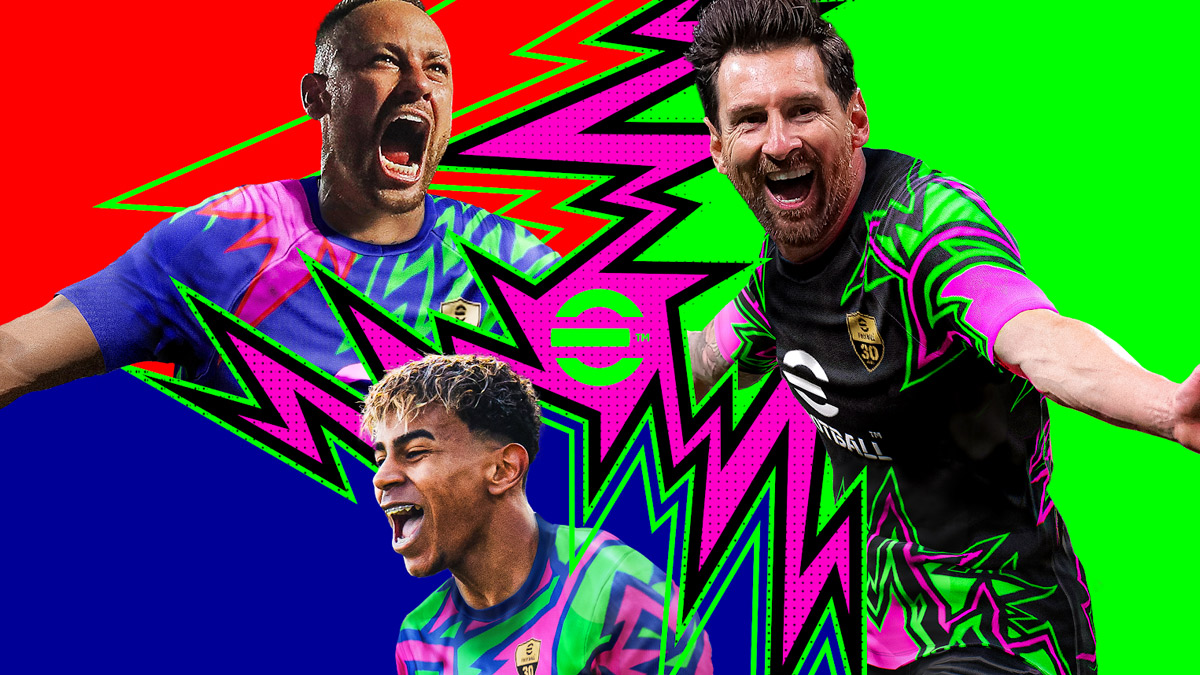
MUMBAI: When cricket meets football in the virtual world, even the biggest fans can’t help but score and Konami’s latest eFootball campaign in India has clearly hit the back of the net. Konami Digital Entertainment has successfully wrapped up its India campaign for eFootball, which brought together cricketers Rinku Singh and Varun Chakravarthy, actors Naslen Gafoor and Chandu Salim Kumar, and footballers Sahal Abdul Samad and Shubhasish Bose. The multi-star campaign generated strong excitement across gaming, football, and creator communities through social content, fan participation, and in-game engagement.
Building on the initial launch that featured a limited-time Lionel Messi card, the campaign united fan communities, lifestyle creators, football creators, and competitive eFootball influencers. It significantly expanded the game’s visibility and deepened engagement with fans across the country.
The campaign also saw thousands of entries submitted as part of its social media engagement challenge, reflecting high levels of community enthusiasm and active creator involvement.
Looking ahead, Konami plans to build on this momentum with more eFootball experiences for Indian fans as the FIFA World Cup 2026 approaches. With global attention on the tournament set to rise, India will remain a key market for deepening community engagement and bringing fans closer to the action.
In a country that lives and breathes sport, Konami has shown that mixing real-world stars with virtual thrills is a winning formula leaving fans eagerly waiting for the next goal.






