News Headline
From selfies to big bucks, India’s influencer economy explodes in 2025

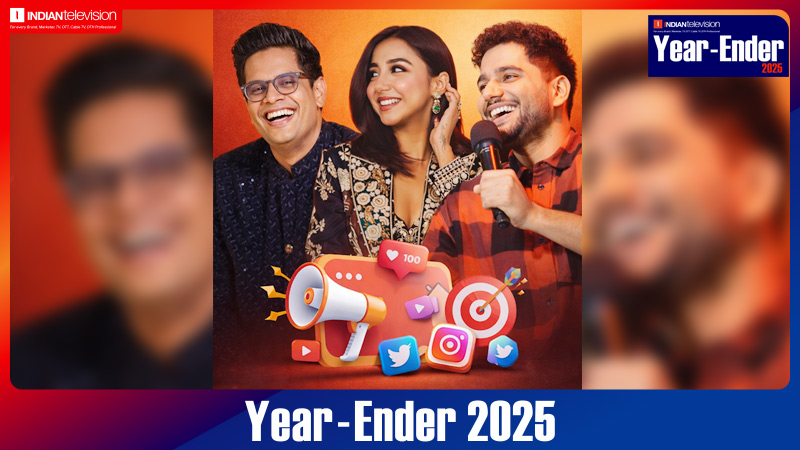
MUMBAI: The bedroom is the new boardroom. India’s influencer marketing industry once dismissed as frivolous narcissism with ring lights crossed Rs 3,600 crore in 2024 and is charging toward Rs 4,500 crore in 2025, propelled by a 25 per cent growth surge that has left traditional advertising executives clutching their Mad Men fantasies and wondering where it all went wrong.
Welcome to the creator economy’s coming of age: 691,467 Instagram influencers, millions of YouTube creators, a projected $20 billion social commerce market, and an ecosystem where a 23-year-old making Reels about skincare in Indore can command more trust and deliver better than a Bollywood celebrity hawking the same moisturiser in a Rs 2 crore television spot.
The revolution wasn’t televised. It was streamed, stitched, and shared 15 seconds at a time.
Forget the mega-influencers with their 10 million followers and airbrushed perfection. In 2025, brands discovered what consumers already knew: nobody trusts a celebrity shilling protein powder between luxury car launches. The future belongs to micro-influencers (10,000-100,000 followers) and nano-influencers (under 10,000), who deliver engagement rates three times higher than their celebrity counterparts whilst charging a fraction of the cost.

The mathematics are brutal and beautiful. Twenty micro-influencers running simultaneous campaigns in tier-two and tier-three cities: Surat, Coimbatore, Patna, Jaipur can generate more conversions than one mega-celebrity post, at perhaps one-tenth the budget. A micro fashion influencer in Mumbai might charge Rs 12,000 for an Instagram Reel; a fintech creator with similar followers commands Rs 25,000-plus. Either way, it’s cheaper than renting Ranveer Singh’s enthusiasm for an afternoon.
Nano-influencers, yes, creators with fewer than 10,000 followers boast a staggering 34.1 per cent impression rate, more than double any other tier. Their secret weapon? They’re your neighbour, your colleague, your cousin’s friend who genuinely loves that cafe in Koramangala. When they recommend something, it feels less like advertising and more like gossip over chai. Brands are deploying armies of these hyper-local evangelists for targeted campaigns, and the conversions are eye-watering.
According to industry reports, 72 per cent of brands now favour long-term collaborations over one-off posts, whilst 85 per cent of marketers in high-consideration sectors like automotive and consumer durables plan to increase investments in niche micro-influencers. The era of “use this code for 10 per cent off” is dead. Welcome to sustained ambassadorships, affiliate marketing partnerships, and co-branded product lines where creators aren’t billboards, they’re business partners.
Turn off the English chatter and listen: India’s influencer boom is being written in Tamil, Bengali, Marathi, Kannada, Hindi, Malayalam, and a dozen other tongues. Regional creators are no longer the also-rans of the digital economy. they’re the vanguard, building hyper-engaged audiences in tier-two and tier-three cities that metros overlooked for too long.
Brands finally grasped that most Indians don’t think in English, shop in English, or trust recommendations delivered in English. Regional influencers deliver culturally resonant storytelling with emotional depth that generic, metro-centric campaigns simply cannot match. Whether it’s a Marathi food blogger in Pune dissecting street snacks or a Tamil tech reviewer in Coimbatore unboxing smartphones, these creators command loyalty that transcends follower counts.
That advantage is only set to grow. In October 2025, Meta expanded its AI-powered translation tools for Reels on Facebook and Instagram, adding Hindi to its existing English and Spanish support. As voice-based translation and lip-syncing mature, the day may not be far off when regional influencers no longer rely on subtitles to get their points across, beyond their core markets.
The shift is seismic. Instagram’s over 360 million daily Reel users in India include massive cohorts from smaller cities consuming content in their mother tongues. YouTube Shorts follows closely, giving regional creators viral runway. E-commerce brands contribute 23 per cent of influencer marketing budgets, followed by FMCG at 19 per cent and both sectors are chasing regional voices to crack Bharat’s heartland.
At the summit sit the mega-influencers, though their dominance is under siege. Virat Kohli remains India’s most-followed individual on Instagram with 274.2 million followers and cricket’s king moonlighting as brand royalty. But the real power players are the digital natives who built empires from scratch.

CarryMinati (Ajey Nagar) commands 21.5 million Instagram followers and 45.1 million YouTube subscribers, making him India’s roasting-and-gaming sensation. His fan base is so engaged that any post becomes viral within hours, and brands from tech to FMCG queue for his acerbic endorsement.

Bhuvan Bam, creator of BB Ki Vines with 21.1 million Instagram followers, transformed short comedic sketches into a multi-platform empire spanning music videos, acting projects, and production ventures. He’s not just wealthyÑhe’s a case study in how YouTube comedians can outpace film stars in cultural influence.

Jannat Zubair Rahmani leads the youth brigade with over 50 million Instagram followers, transitioning seamlessly from television actress to social media queen. Gen Z’s darling collaborates with everyone from fashion brands to tech giants, embodying elegance with mass appeal.
Prajakta Koli (MostlySane) built her throne on authenticity, blending quirky humour with socially conscious storytelling. The former YouTube global ambassador for ‘Creator for Change’ ventured into Netflix’s “Mismatched” whilst maintaining her digital dominance. She’s proof that you can be funny, meaningful, and commercially viable simultaneously.
Ashish Chanchlani, with 17.7 million Instagram followers, redefined comedy with over-the-top, cinematic sketches on everyday life. His exaggerated expressions and relatable scenarios make collaborations feel organic and brands love him because audiences actually remember the product.
Technical Guruji (Gaurav Chaudhary) democratised tech reviews for Hindi-speaking India, amassing 6.1 million Instagram followers and over 23 million YouTube subscribers. The nano-science researcher from BITS Pilani Dubai simplified jargon into digestible content, becoming Forbes India-recognised and NDTV-hosted. When he reviews a phone, millions listen and buy.
Malvika Sitlani represents beauty and lifestyle with global brand ambassadorships, whilst Samay Raina dominates stand-up comedy and gaming with Discord communities that feel like digital clubs.
Niharika NM exploded with quick, humorous Reels that secured collaborations with Netflix, Bollywood stars, and international celebrities as her relatability has global appeal.
Then there’s Tanmay Bhat, comedian-turned-entrepreneur whose thoughtful, humorous content blends entertainment with intellect, making him fintech and creator economy brands’ darling.
Gaurav Taneja (Flying Beast) juggles commercial pilot duties with fitness influencing and family vlogging, delivering aviation insights alongside dad content that wellness brands crave.
The comedy circuit thrives with Munawar Faruqui (14.3 million followers), Bharti Singh (9.3 million), and a cohort of creators turning Instagram Reels into punchline factories.
Fashion influencers like Komal Pandey and Aashna Shroff set trends with curated content that balances aspiration with accessibility.
Instagram remains the undisputed king, capturing over 50 per cent of brand allocations for influencer campaigns. Its Reels format optimised for short-form vertical videos generated over $50 billion in annual ad revenue globally, with India contributing massively. Brands love Instagram because it’s where discovery happens: users scroll, stop, shop. The platform evolved into a full business ecosystem with DM-based sales, 20-image “chunky carousels,” and Instagram Shops that blur content and commerce into one addictive feed.
YouTube doubled down on community features with “Hype” (allowing viewers to boost videos) and “Seasons and Episodes” for long-form creators developing binge-worthy narratives. YouTube Shorts expanded to three minutes, bridging viral clips and deep engagement. The platform thrives on trust: product reviews, tutorials, and storytelling-based content command audience loyalty that translates into conversions. Over half of all creators now monetise through short-form videos, though sponsored collaborations top income streams at 88 per cent.
Facebook is written off as boomer territory, re-emerged as a hub for interactive, community-first content. Algorithms prioritise posts from “close connections” and active Groups, making it valuable for reaching older, more established demographics with disposable income. Creators use Facebook strategically: less flashy than Instagram, more intimate than YouTube, perfect for niche communities and hyper-local campaigns.
Science fiction met marketing, and the results are…complicated. AI became a standard toolkit for creators and marketers in 2025, assisting with content ideas, caption writing, video editing, and audience targeting. Some 66.4 per cent of marketers reported improved outcomes using AI for matching and vetting influencers, whilst 30 per cent deployed AI for content creation and campaign optimisation.
Then came the virtual influencers. Kyra, India’s first CGI creator from FUTR Studios, secured brand tie-ins with Amazon Prime Video, boAt, and others, boasting programmable personality and zero tantrums. Radhika Subramaniam, a Tamil-English AI travel influencer, blends tech with emotional storytelling for young Indian travellers. GenAI-powered campaigns deliver 32 per cent higher ROI, according to industry reports.
But there’s a backlash brewing. Some 46 per cent of social media users feel uncomfortable with AI-generated “influencers,” craving human imperfections and realness. Gen Z especially rejects the polished, generic perfection that AI enables: they want behind-the-scenes chaos, unfiltered rants, and creators who occasionally mess up. The lesson for 2025: AI is a brilliant tool for efficiency, but audiences still crave the human touch. Balance automation with authenticity, or risk alienating the very generation driving the creator economy.
Attention spans have collapsed, and creators adapted brilliantly. Short-form vertical videoÑInstagram Reels, YouTube Shorts, Facebook ReelsÑremained 2025’s top-performing format. Platforms prioritised this in algorithms, pushing creators to master concise, high-impact storytelling within 60-90 seconds (YouTube Shorts’ three-minute expansion notwithstanding).
India is the world’s largest market for Instagram Reels, with 360 million users engaging daily. The format’s beauty lies in its virality: one clever hook, trending audio, and regional relatability can catapult a nano-creator from obscurity to brand deals overnight. Creators who nail the formulaÑwhether comedy sketches, product demos, or aspirational lifestyle snippetsÑunlock algorithmic gold and watch engagement soar.
Short-form video isn’t just entertainment, it’s commerce. Live shopping events on Instagram and YouTube allow real-time, interactive purchasing. Influencers unbox products, answer questions, create urgency with limited-time deals, and guide followers from content to checkout in seconds. Fashion, skincare, electronics, home decor, and wellness brands dominate these sessions. It’s QVC for the smartphone generation, and it’s printing money.
Social media platforms evolved into full e-commerce hubs in 2025, with integrated shopping features turning every post into a potential transaction. Instagram Shops, TikTok Shop (before regulatory uncertainties), and YouTube Shopping created seamless paths from content to conversion. India’s social commerce market is projected to hit $20 billion in gross merchandise value by 2025, and influencers are the sales force driving it.
The formula is elegantly simple: creator showcases product, followers trust creator, followers buy product, often without leaving the app. Live shopping events accelerated this, with influencers hosting real-time sessions where viewers ask questions, see products demonstrated, and purchase instantly. It’s intimate, interactive, and devastatingly effective.
Brands shifted strategies accordingly. Rather than mandating specific deliverables, many now embrace “product seeding”: sending products to influencers and letting them organically showcase items in their own style. This fosters genuine recommendations and user-generated content that brands recycle for ads, emails, and websites. Authenticity and commerce converge: the best influencer campaigns don’t feel like advertising at all.
The economics vary wildly. Nano-influencers might earn Rs 5,000-15,000 per campaign, micro-influencers Rs 10,000-50,000, whilst mega-influencers command Rs 10 lakh-plus per post. But smart creators diversify: brand collaborations, YouTube monetisation and ads, merchandise and product lines, mainstream opportunities (acting in films, OTT shows, music albums), and global campaigns.
Some 88 per cent of creators earn less than 75 per cent of their income from social media alone, indicating the ecosystem’s maturity. Full-time creators juggle multiple revenue streams rather than relying on platform ad revenue (which accounts for merely 15 per cent of earnings). Sponsored collaborations remain king, but affiliate marketing partnerships, co-branded products, and long-term ambassadorships provide sustainable income.
The wealthiest creators rival film stars. Bhuvan Bam owns production ventures, CarryMinati monetises gaming streams with sponsorships and super chats, Technical Guruji hosts television shows. They’re not influencers, they’re media companies operating from bedrooms and studios, commanding audiences traditional broadcasters would murder to reach.
The Indian government noticed, announcing a Rs 8,545 crore fund to foster content creators, innovation, and reach. It’s official: influencers are no longer internet oddities, they’re economic engines.
Not everything glitters in the creator economy. The space is plagued by fake followers, engagement pods, and bot-driven metrics that inflate influence without delivering results. AI anomaly-detection tools flag irregular spikes and suspicious patterns, but brands still get burned by inauthentic partnerships.
Saturation looms large. With hundreds of thousands of creators vying for attention, standing out requires relentless creativity and relevance. Overly branded or scripted content triggers lower engagement: audiences can smell desperation. The influencers who thrive are those who balance commercial partnerships with genuine content that audiences would watch even without the sponsorship.
Trust remains fragile. Some 85 per cent of followers will unfollow influencers perceived as inauthentic, whilst stricter guidelines from the Advertising Standards Council of India enforce transparency. Mandatory content disclosures: supported by over 70 per cent of marketers and 50 per cent of creators aim to rebuild credibility. The message is clear: influence without trust is worthless.
By 2025’s close, India’s influencer marketing ecosystem has professionalised beyond recognition. What began as teenagers filming themselves has matured into a Rs 4,500 crore industry with sophisticated tools, data-driven strategies, and economic impact that traditional advertising can no longer ignore.
The trends are unmistakable: micro and nano-influencers over celebrities, regional creators over metro English speakers, long-term partnerships over one-off posts, authenticity over polish, performance metrics over vanity numbers. AI enhances efficiency but cannot replace human connection. Short-form video dominates discovery, but YouTube’s long-form trust drives conversions. Social commerce transforms platforms into digital marketplaces where influence equals revenue.
For brands, the lesson is blunt: ignore influencers at your peril. Over two-thirds of Indian users rely on creators for product discovery and purchase decisions, particularly Gen Z who skip Google entirely and search Instagram and YouTube instead. The creator economy isn’t a trend, it’s infrastructure.
For aspiring creators, the opportunity is vast but demands authenticity, consistency, and niche expertise. You don’t need millions of followers. Just a loyal, engaged community that trusts your voice. Start local, speak regional, solve specific problems, and build relationships. Monetisation follows trust.
India’s influencer boom is just beginning. The bedroom revolution that started with ring lights and selfie sticks has spawned media empires, reshaped marketing playbooks, and created careers that didn’t exist a decade ago. In 2025, influence isn’t about fame, it’s about trust, reach, and the ability to turn attention into action.
The revolution wasn’t televised. It was Reeled, Shorted, and Stored and it’s still streaming.






NEW DELHI: Hamdard Laboratories gathered a cross-section of India’s achievers in New Delhi on Friday, handing out the Hakeem Abdul Hameed Excellence Awards to figures who have left their mark across healthcare, education, sport, public service and the arts.
The ceremony, attended by minister of state for defence Sanjay Seth and senior officials from the ministry of Ayush, celebrated individuals whose work blends professional success with a sense of public purpose. It was as much a roll call of achievement as it was a reminder that influence is not measured only in profits or podiums, but in people reached and lives improved.
Among the headline awardees was Alakh Pandey, founder and chief executive of PhysicsWallah, recognised for turning affordable digital learning into a mass movement. On the sporting front, Arjuna Awardee and kabaddi player Sakshi Puniya was honoured for her contribution to the game and for pushing women’s participation onto bigger stages.
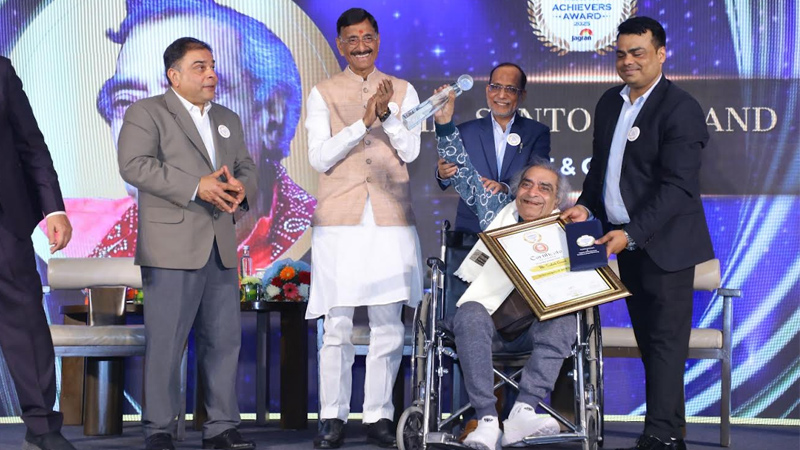
The cultural spotlight fell on veteran lyricist and poet Santosh Anand, whose songs have echoed across generations of Hindi cinema. At 97, Anand accepted the honour with characteristic humility, reflecting on a life shaped by perseverance and hope.
Healthcare honours spanned both modern and traditional systems. Manoj N. Nesari was recognised for strengthening Ayurveda’s place in national and global health frameworks. Padma shri Mohammed Abdul Waheed was honoured for his research-backed work in Unani medicine, while padma shri Mohsin Wali received recognition for his long-standing contribution to patient-centred care.
Education and social development also featured prominently. Padma shri Zahir Ishaq Kazi was honoured for decades of work in education, while former Meghalaya superintendent of Police T. C. Chacko was recognised for public service. Goonj founder Anshu Gupta received an award for his dignity-centred rural development initiatives, and the Hunar Shakti Foundation was honoured for empowering women and young girls through skill development.
The Lifetime Achievement Award went to former IAS officer Shailaja Chandra for her long career in public healthcare and governance, particularly in the traditional systems under Ayush.
Speaking at the event, Hamdard chairman Abdul Majeed said the awards were a tribute to those who combine excellence with empathy. “These awardees reflect Hakeem Sahib’s belief that healthcare, education and public service must ultimately serve humanity,” he said.
Minister Seth struck a forward-looking note, saying India’s young population gives the country a unique opportunity to become a global destination for learning, health and wellness by 2047.
The ceremony also featured the trailer launch of Unani Ki Kahaani, an upcoming documentary starring actor Jim Sarbh, set to premiere on Discovery on 11 February.
Instituted in memory of Unani scholar and educationist Hakeem Abdul Hameed, the awards have grown into a national platform that celebrates those building a more inclusive and resilient India. For one evening at least, the spotlight was not just on success, but on service with substance.







