Hindi
From reel to real: Actors piggy ride on populist parties

NEW DELHI: When megastar Amitabh Bachchan decided in the mid-eighties to wash his hands off politics (except on screen), one expected that very few from his fraternity would dare take the plunge.
However, there were a few like Raj Babbar, Shatrughan Sinha and Sunil Dutt who entered politics. Perhaps the only notable entry from the Hindi cinema industry after that was Vinod Khanna, though several south Indian actors either joined the state or centre arena.

The love between the two magnified as many political parties, particularly Bharatiya Janata Party and Trinamool Congress went all out to woo those from the reel world to the real world. Perhaps this exposure to politics and largely the anti-corruption wave that swept the country in the wake of Anna Hazare’s movement resulted in probably the largest number of film personalities entering the fray for the 2014 polls.
The 16th Lok Sabha elections saw as many as 40 film personalities from different states, representing different parties campaigning, and many of them surprised all by coming out with flying (party) colours.
But for the film industry, the constituencies that were worth watching were the ones where the members of the same fraternity pitted against each other.
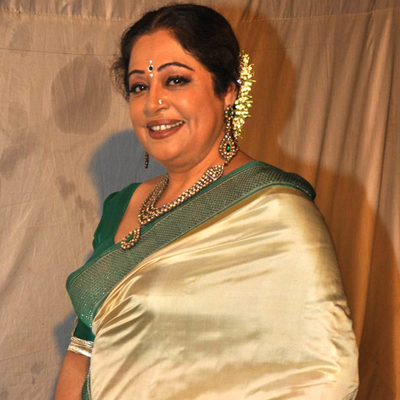
Of the most keenly watched battles was of Kirron Kher of the Bharatiya Janata Party and Aam Admi Party’s Gul Panag. Kher was shown black flags when she first went to Chandigarh, unlike Panag and yet, Kher came out with flying colours. She defeated a veteran like Pawan Kumar Bansal of the Congress, though many from her constituency said it was more a victory of the party than of the actor herself.
Similarly, Mumbai West saw item girl Rakhi Sawant who represented the Rashtriya Aam Party battling it out with Mahesh Manjrekar who represented the Maharashtra Navnirman Sena (MNS) and ultimately emerged as the winner.
The not-so-‘khamosh’ Shatrughan Sinha once again successfully represented the BJP from Patna Saheb in Bihar where he faced Bhojpuri actor Kunal Singh of the Congress.
In Birbhum, actor Satabdi Roy of the Trinamool Congress successfully trounced actor Joy Banerjee of the BJP. Similarly, Singer Indranil Sen from TMC expectedly trounced Sidhanth Mahapatra of the Biju Janata Dal from Behrampur.
For the BJP, versatile singer Bablu Supriya from Asansol, senior actor Hema Malini in Mathura despite initial criticism, Hindi and Bhojpuri actor Manoj Tiwari in North East Delhi, versatile actor Paresh Rawal from Ahmedabad East, and veteran Vinod Khanna from Gurdaspur emerged winners.
Television actress Smiriti Irani from the high-profile constituency Amethi lost but with a considerably reduced margin, and others who lost included Nimu Bhowmik in Raiganj, George Baker representing Howrah and music maestro Bappi Lahiri from Serampore.
For the Trinamool Congress, glamorous actor Moon Moon Sen in Bankura, reigning Bengali star Deb (Deepak Adhikari) in Ghatal, Sandhya Sen in Midnapore, actor Arpita Ghosh in Balurghat, and actor Tapas Paul in Krishnagar reached the finishing line ahead of the others, while actor Soumitra Roy from Malda North, and former Bollywood star Biswajit (Chatterjee) from New Delhi had to face defeat.
The Congress had the largest number of star losers. They included Kannada heroine Ramya in Mandya, the high profile Raj Babbar in Ghaziabad, actor Aparajita Mohanty in Cuttack, veteran Oriya film actor Bijay Mohanty from Bhubaneswar, Hindi and Bhojpuri actor Ravi Kishan from Jaunpur, petite actress Nagma in Meerut, actor Jayasudha in Secunderabad, actor Vijaya Shanthi from Medak, and D Napoleon from Perambalur in Tamil Nadu who was a Minister in the outgoing government.
The AAP faced a similar fate with TV actress Rina Rani who contested from Maharajganj and the actor-dancer Javed Jaffery (son of former comedy actor Jagdeep) from Lucknow being shown the door.
Actor Innocent representing the Communist Party of India (Marxist) from Chalakkudy in Kerala emerged victor, while renowned award-winning director Prakash Jha representing the Janata Dal (United) from West Champaran in Bihar and former actor Jayaprada of Rashtriya Lok Dal from Bijnor had to face defeats.
Actor Murali Mohan won from the Rajahmundry seat for the Telugu Desam Party.
At present, the Rajya Sabha has Javed Akhtar, Jaya Bachchan, Mithun Chakraborty, K Chiranjeevi, Rekha and producer T Subbarami Reddy as members. Smriti Irani who lost to Rahul Gandhi also continues to be member of the Rajya Sabha.
One cannot ignore the fact that while Bollywood has generally not been very successful in north India, the southern film industry is rich with examples of film-politicians. Some of the popular names are S S Rajendran (SSR), M G Ramachandran, J Jayalalithaa , S Chandrasekar.
It remains to be seen if the film personalities will rise above to serve the people or will add glamour to the lower house of Parliament.







Hindi
Zee5 and Applause Entertainment team up for whodunnit ‘Everybody Loves Sohrab Handa’
Rajat Kapoor directs star-studded murder mystery streaming from 10 April.
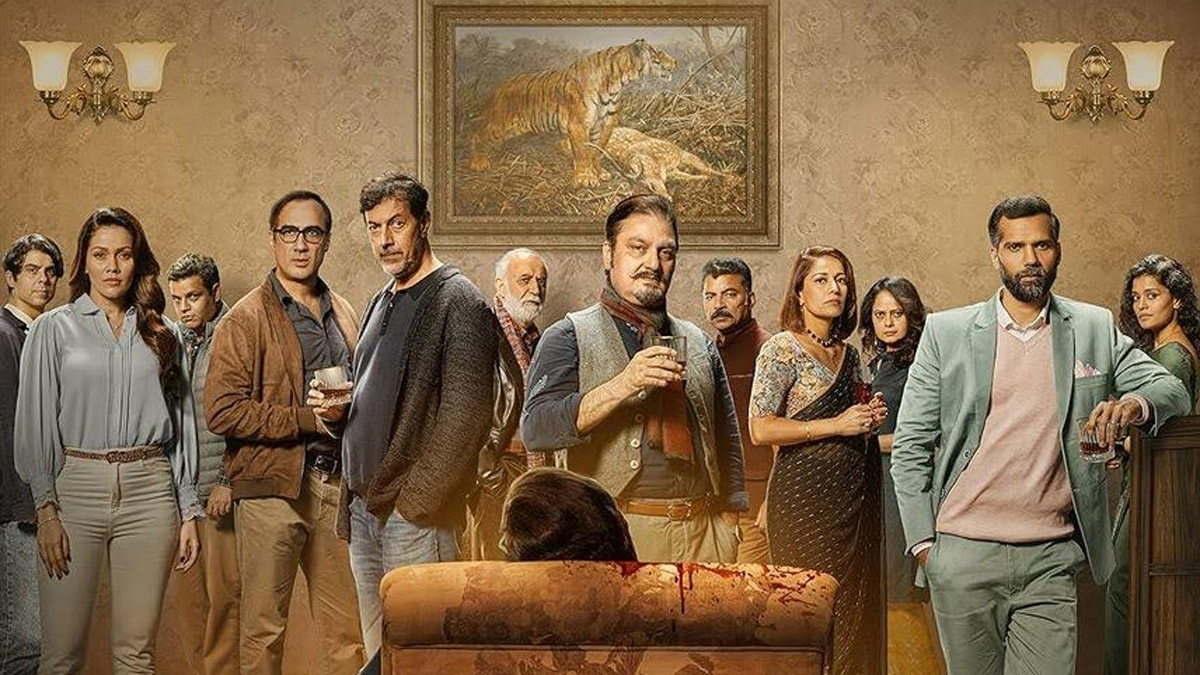
MUMBAI: Zee5 is serving up another killer collaboration and this time, the murder mystery comes with a generous side of dark humour and family dysfunction. The streaming platform has partnered with Applause Entertainment and Mithya Talkies to bring Everybody Loves Sohrab Handa, a fresh, twisted whodunnit written and directed by acclaimed filmmaker and actor Rajat Kapoor. The film will stream exclusively on Hindi Zee5 from 10 April.
The movie reimagines the classic murder mystery genre with a contemporary, darkly comic edge. It revolves around a group of friends and family who smile, drink, and celebrate together until the silence snaps and long-buried secrets spill out. The stellar ensemble cast includes Vinay Pathak, Ranvir Shorey, Waluscha De Sousa, Saurabh Shukla, Chandrachoor Rai, Neil Bhoopalam, Koel Purie, Palomi Ghosh, and Rajat Kapoor himself.
This latest offering continues the successful partnership between Zee5 and Applause Entertainment, which has previously delivered diverse hits such as Mithya, Bloody Brothers, and Jab Khuli Kitaab.
&TV Business Head of hindi Zee5 and chief channel officer Kaveri Das said, “Our collaboration with Applause Entertainment has consistently delivered distinct, high-impact storytelling. Everybody Loves Sohrab Handa is a natural progression, reinforcing our focus on genre-led content with a compelling whodunnit premise and a strong ensemble cast.”
Applause Entertainment business head for movies Sunil Chainani added, “This film adds yet another compelling layer to our slate with Rajat Kapoor’s unmistakable voice.”
Rajat Kapoor shared, “What interested me was not just the mechanics of a whodunnit, but the emotional violence that precedes physical violence. These are people who smile at each other, but there’s so much that is not said.”
The film promises razor-sharp writing, layered performances, and simmering tension, inviting viewers not just to solve the crime but to unravel the complex relationships at its heart.
If you love a good murder mystery served with wit and emotional depth, Everybody Loves Sohrab Handa looks set to be your next addictive watch. Mark your calendars, the whodunnit drops on Hindi Zee5 from 10 April.







