iWorld
French animation house Xilam goes direct to consumers with streaming app, India included

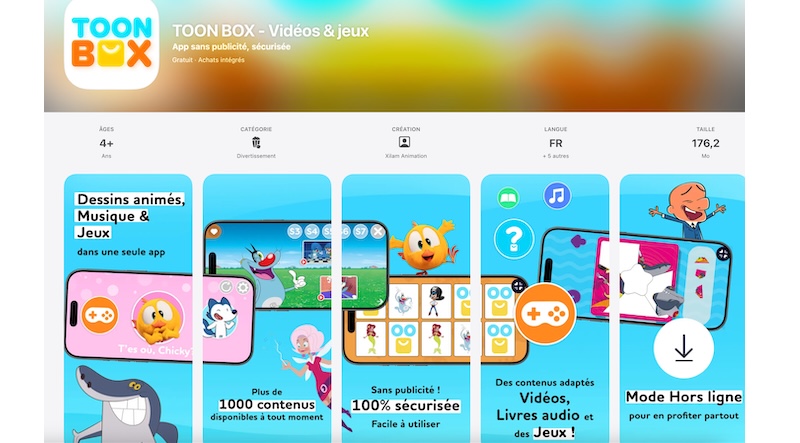
PARIS: Xilam Animation is taking on the streaming giants—or at least carving out its own small corner of the kids’ entertainment universe. The Oscar-nominated French animation group has launched Toon Box, a subscription-based, ad-free streaming app stuffed with over 1,000 pieces of content from its back catalogue, plus exclusive videos, activities, storybooks and games. It’s aimed at three-to-10-year-olds and rolled out today across 11 territories: the UK, US, Canada, France, Germany, Italy, Spain, India, Mexico, Brazil and Australia.
For now, Toon Box is iOS-only, with an Android version promised for next year. New subscribers get a free first month before choosing between a monthly subscription or an annual plan. Episodes can be downloaded for offline viewing, and Xilam pledges to refresh the app with new content monthly.
The app features some of Xilam’s most recognisable properties—Oggy and the Cockroaches, Zig & Sharko, Where’s Chicky?, Mr Magoo, The Daltons, Lupin’s Tales and Paprika—series that have already built Xilam a substantial digital following of 125m subscribers across YouTube, Facebook, TikTok, Instagram and Snapchat globally.

Xilam chief executive and founder Marc du Pontavice calls the launch “a significant milestone” as the company goes direct to consumers for the first time. He’s pitching Toon Box as “an ad-free, safe and engaging environment” where families can access Xilam’s portfolio “in one convenient and trusted place”—a not-so-subtle dig at YouTube’s algorithmic chaos and dodgy advertising.
The inclusion of India in the initial rollout is notable. The country’s burgeoning middle class and smartphone penetration make it a prime hunting ground for streaming services, though convincing parents to pay for cartoons when free options abound is no small feat. Xilam is betting that its library of slapstick, dialogue-light animation—which travels well across language barriers—combined with a promise of child-safe content will be enough to prise open wallets.
Whether families will fork out for yet another subscription in an already crowded market remains the question. But with 125m fans already hooked on free Xilam content, du Pontavice reckons there’s a paying audience in there somewhere. Now comes the hard part: finding them.







iWorld
OpenAI hits back at Elon Musk’s lawsuit ahead of trial
Company calls claims “baseless” and accuses Musk of trying to disrupt a rival.
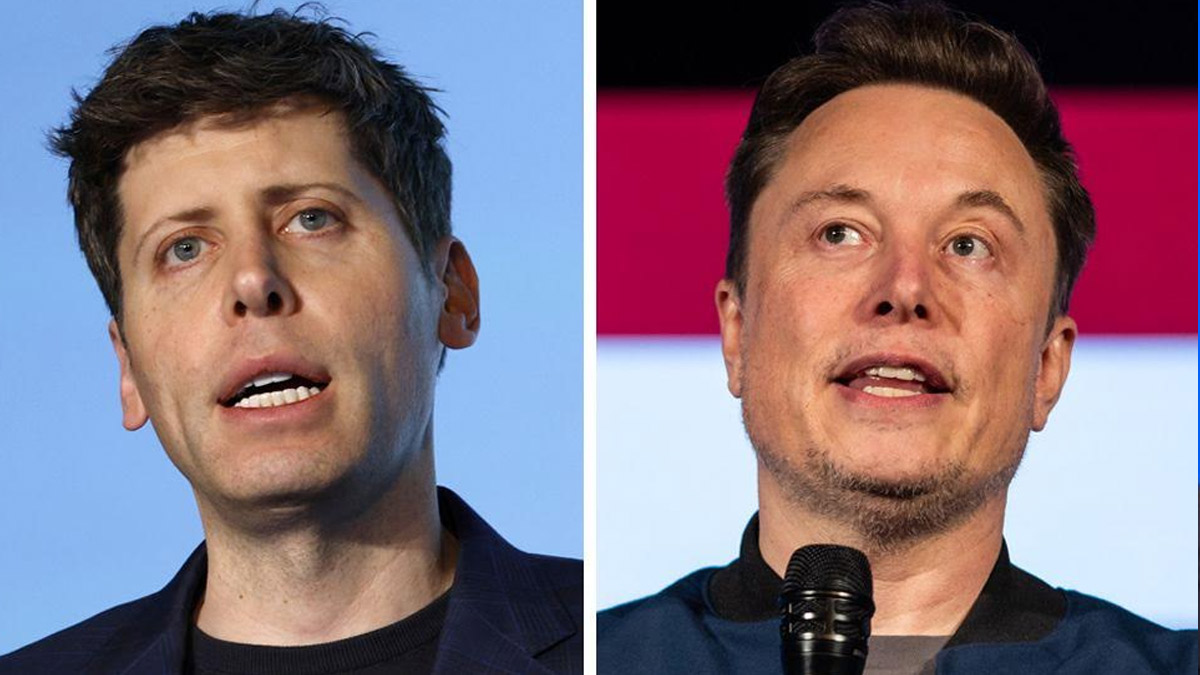
MUMBAI: When the stakes are measured in billions and egos are involved, even Silicon Valley titans can turn a courtroom into a battlefield. OpenAI has issued a sharp public response to Elon Musk’s ongoing lawsuit, accusing the billionaire of filing the case to harass a competitor rather than address genuine concerns. In a strongly worded statement shared on its official X account, OpenAI described Musk’s allegations as “baseless” and suggested the lawsuit is an attempt to disrupt the company as the case heads toward trial later this month in Oakland, California.
The response comes after Musk’s legal team recently amended the complaint, proposing that any damages potentially exceeding $150 billion should go to OpenAI’s nonprofit entity rather than to Musk personally. OpenAI questioned the timing and motive behind this change, calling it a late-stage attempt to “pretend to change his tune” on the nonprofit structure.
The company further labelled the lawsuit a “harassment campaign”, arguing that Musk’s actions are driven by personal rivalry, ego, and a desire for greater control and financial upside.
At the heart of the dispute is Musk’s claim that OpenAI has abandoned its original nonprofit mission of developing artificial intelligence for the benefit of humanity. A co-founder who left in 2018, Musk is seeking governance changes, including the removal of CEO Sam Altman from the nonprofit board, and the return of certain financial gains linked to Altman and President Greg Brockman.
OpenAI has firmly rejected these allegations, maintaining that its current hybrid structure, a public-benefit corporation overseen by a nonprofit parent remains true to its long-term goals. The company has also previously accused Musk of anti-competitive behaviour aimed at weakening its leadership.
As the case prepares for a jury trial, this public exchange highlights the deepening rift between two of the most influential figures in the AI revolution and raises broader questions about governance, mission, and power in the fast-moving world of artificial intelligence.
In the high-stakes game of AI, it seems the real drama isn’t just inside the models, it’s playing out in courtrooms too.






