News Broadcasting
Fremantle US making a fashion based reality show for Oxygen

MUMBAI: US channel Oxygen dedicated to women has commissioned Fremantle Media to make a fashion based reality show The Janice Dickinson Project (Working Title).
The reality series follows Janice Dickinson (Americas Next Top Model) as she makes the transformation from model to mogul by starting her own Hollywood modeling agency. The series is scheduled to debut next year.
The 10-episode series from Krasnow Productions and FremantleMedia North America offers viewers an intimate view into Dickinsons life as she tackles the gruelling work of starting her own business and teaching a new generation of aspiring models the business from the ground up.

Viewers watch as Dickinson juggles motherhood, champions her new models, and tries to run a profitable agency, all while dealing with skepticism from the industry she helped to define. The show goes beyond Dickinsons runway persona to show a woman on the verge of a new phase in her career and determined to redefine American beauty.
Oxygen president programming Debby Beece says, We love Janice because shes the quintessential Oxygen personality. Shes outrageous, in command and bigger than life. She’s a real person with dimension to her character. In this series we see a warm side of her with heart. We also see that shes a true expert in her field. Shes starting a new business with all its challenges, while trying to be a good mom and guide new models through a tough business. Its a balancing act for her and its fascinating to watch her as she goes through it.
Seeking an untraditional and unique look, Dickinson auditions over 500 aspiring models. Drawing on her years of experience in the industry, Dickinson mentors candidates on look, style and composure, even taking their photos personally. Finally, she narrows the search to five models who become the first to be signed by her agency.






News Broadcasting
CNN-News18 to host Fury in the Gulf conclave on West Asia crisis
Three-hour summit to unpack geopolitical fallout and impact on India
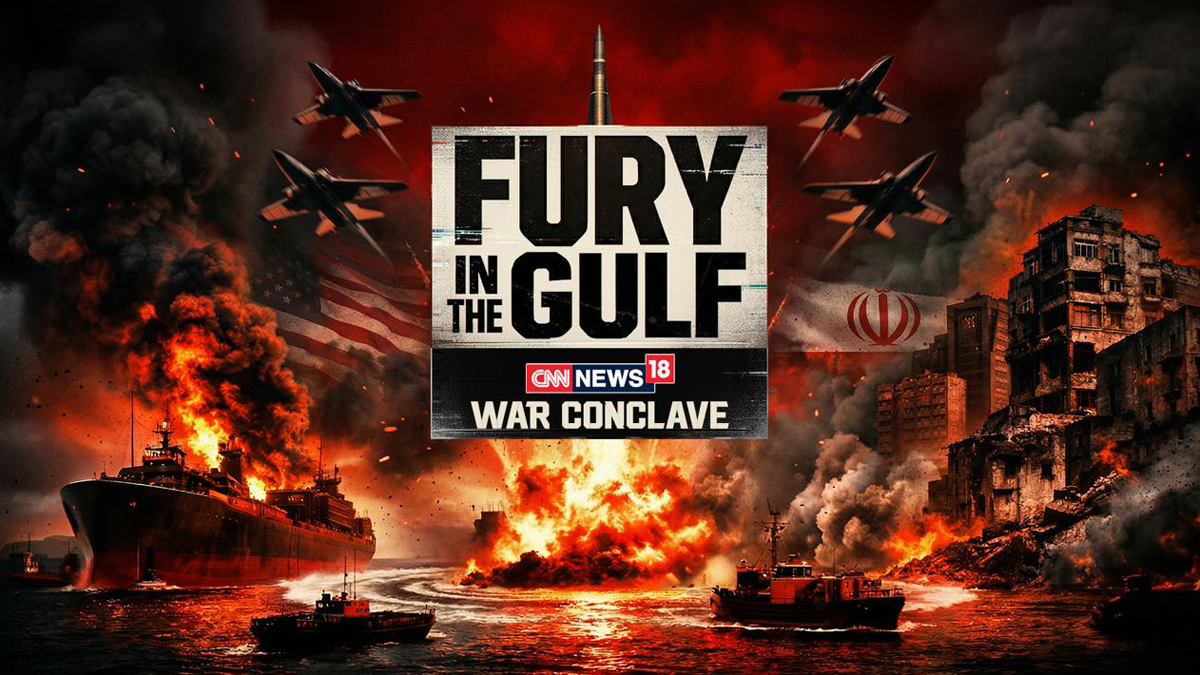
MUMBAI: CNN-News18 is set to host a special three-hour broadcast, Fury in the Gulf – War Conclave, on April 7, aiming to decode the escalating West Asia crisis and its far-reaching implications for India.
Scheduled from 4:00 PM to 7:00 PM, the conclave comes at a time when tensions between Iran and the United States are reshaping global geopolitics and triggering economic uncertainty. With India’s deep energy ties, trade links and large diaspora in the Gulf, the developments carry significant domestic relevance.
Built around the theme ‘Conflict, Consequences, and The Future,’ the programme will feature six curated sessions combining one-on-one interviews and panel discussions. The focus is to cut through the clutter and offer viewers a clearer understanding of the fast-evolving situation.
Key sessions include ‘Diplomacy in Times of War’ featuring Shashi Tharoor, and ‘World After the Iran Conflict’ with voices such as Ram Madhav, Reuven Azar, representatives from the European Union and the Iranian Deputy Envoy. Another session titled ‘Another Dunkirk?’ will bring together K. J. S. Dhillon and Jitin Prasada among others.
CNN-News18 editorial affairs director Rahul Shivshankar said, “In times of war, clarity becomes the most powerful tool. Fury in the Gulf – War Conclave brings together credible voices to address the questions and confusion that arise amid an overwhelming influx of information.”
He added that the initiative is aimed at delivering “facts, perspective, and insight” at a time when misinformation can easily cloud public understanding.
Echoing the sentiment, CNN-News18 CEO– English and business news Smriti Mehra said the conflict marks a defining global moment, with consequences that extend well beyond the region. She noted that the conclave seeks to present the crisis with “depth, nuance and responsibility” so audiences can better grasp its real-world impact.
As geopolitical tensions continue to dominate headlines, the conclave positions itself as an attempt to bring order to the noise, offering viewers a structured, insight-led look at a complex and rapidly shifting global situation.






