I&B Ministry
Former I&B minister Priya Ranjan Dasmunsi passes away

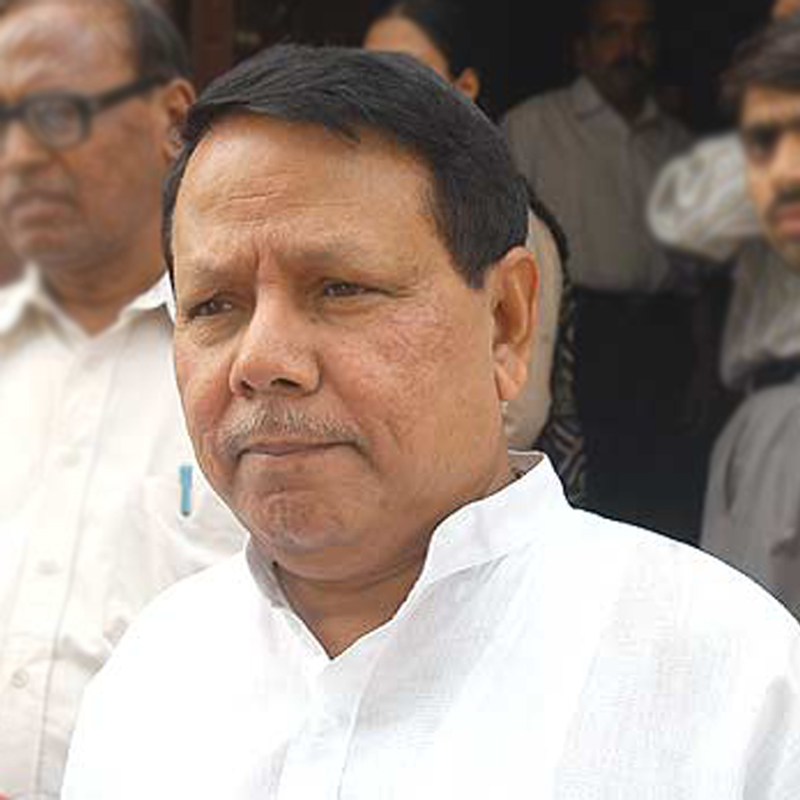
NEW DELHI: Former Information and Broadcasting (I&B) minister Priya Ranjan Dasmunsi, who took several unpopular decisions during his tenure, died after being in a coma since 2008. He was 72.
He had suffered a massive stroke in 2008 leaving him paralysed and unable to speak and lapsed into a coma during treatment. He had been critically ill over the past month, according to the Apollo hospital, and died at 12.10 pm on 20 November.
As I&B minister during the first term of the Manmohan Singh-led government from 2004-2008, Dasmunsi was instrumental in passing a law in 2007 which resulted in all broadcasters holding rights to sporting events having to forcibly share signals with Prasar Bharati. His term also saw several bans on western television networks, including a three-month ban on the Sony-owned television network AXN and Fashion TV following the broadcast of programs deemed “obscene” by him.

In 2006, Dasmunsi was the first Indian to be a match commissioner in a FIFA World Cup game between Australia and Croatia. He was heading the Indian football governing body at the time of his stroke in 2008, which led to Praful Patel taking over as president. Dasmunsi served as the president of the All India Football Federation for almost 20 years.






I&B Ministry
MeitY extends deadline for feedback on digital media rules overhaul
Government gives stakeholders more time to respond to proposed changes in intermediary guidelines.
MUMBAI: When the rulebook gets a rewrite, even the internet needs a little extra time to read the fine print. Regulators have extended the deadline for public feedback on a proposed overhaul of India’s digital media and intermediary liability framework, giving stakeholders until April 29 to submit their views. In a notice issued on April 10, the Ministry of Electronics and Information Technology (MeitY) said it was extending the consultation period for draft amendments to the Information Technology (Intermediary Guidelines and Digital Media Ethics Code) Rules, 2021, following representations from several stakeholders.
At the heart of the proposals is a significant shift in how social media platforms and other intermediaries must respond to government communications. A new provision would make compliance with official “clarifications, advisories, directions, standard operating procedures and guidelines” a formal part of the due diligence obligations required to retain safe harbour protection under Section 79 of the Information Technology Act.
The amendments would also expand the scope of content oversight under Part III of the rules. The digital media ethics code would now apply not only to publishers but also to intermediaries hosting or transmitting user-uploaded news and current affairs content. This could bring user-generated news more directly under regulatory scrutiny.
Additionally, the Inter-Departmental Committee’s powers would be broadened, allowing it to take up matters referred directly by the ministry rather than waiting for formal complaints. This signals a more proactive approach to content monitoring.
The existing IT Rules already impose strict requirements on intermediaries, including timely removal of unlawful content, grievance redressal mechanisms, and traceability in certain cases. Recent updates have also introduced obligations around labelling synthetically generated content.
Officials have described the amendments as necessary to create an “Open, Safe, Trusted and Accountable Internet” while improving legal clarity and enforceability.
With the extended deadline now set for April 29, the government has given industry bodies, civil society, and digital platforms additional time to respond to changes that could significantly reshape how online platforms operate and are governed in India.
In the fast-scrolling world of digital regulation, a little extra time to read the small print might just prevent bigger headaches down the line.







