GECs
‘For the Zee Network, regional channels will be strong pillars’ : Nitin Vaidya – Zee Entertainment Enterprises Ltd. director regional channels

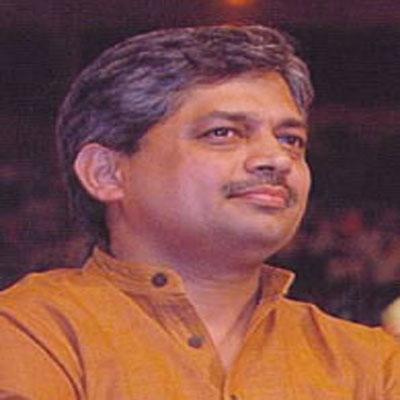
As localized channels are gaining momentum on television, the Zee Network has been quick to grab untapped genres in regional markets. Spearheading four regional channels from the Zee bouquet, including Zee Marathi, Zee Bangla, Zee Gujarati and now Zee Talkies, is Zee Entertainment Enterprises Ltd director regional channels Nitin Vaidya.
In a free flowing conversation with Indiantelevision.com’s Renelle Snelleksz, the Zee veteran outlines the growth trajectory of each region and the targets set for “regional channels to become the pillars of the Zee Network.”

Excerpts:
|
Zee has strengthened its position in Maharashtra with three channels – general entertainment, news and now movies. How has this market evolved and what is the growth story for Zee?
Till 2003, it was a real struggle but we were determined to provide value for the investors, for advertisers and for consumers.
In 2003, the share of the Marathi television market was 8.3 per cent. Currently, the share of the market stands at 16.8 per cent (Tam data; January till Week 35, C&S 4+). Though Maharastra was believed to be Hindi dominated, the share of Hindi general entertainment channels dropped from 34.9 per cent in 2003 to 24.4 in 2007.
Over the last four years, Zee Marathi has driven viewers to the genre through a very aggressive programming and marketing push.
Evidence of that is seen in the channel share of Zee Marathi. In 2003, it stood at 40 per cent while ETV Marathi was at 35 and DD Sahyadri at 25. Although there was a decline in 2005, Zee Marathi has regained its leadership position in 2007 with a channel share of 45 per cent while ETV Marathi is at 36 and DD Sahyadri at 11. |
|
|
Can you identify the factors that contributed to Zee Marathi’s growth?
This picture tells a story of how audiences are embracing local channels which they first try and then stick to. This gave us encouragement to invest monies behind this proposition. |
|
|
What is the growth that the Bengali market has witnessed? |
|
|
What were the differentiators used to combat competition and pull audiences from Hindi channels to Zee Marathi and Zee Bangla?
These family dramas along with our popular musical format Sa Re Ga Ma Pa have been the major drivers of audiences for both these channels.
Besides, we have not compromised on the production values for these channels and have attempted to extensively involve our viewers in daily programming through a host of interactive shows.
This strategy even attracted urban viewers from Mumbai and Kolkata, areas considered too cosmopolitan for a regional channel. Both channels have surpassed Star Plus in C&S 15+ female SEC-A,B&C and while in C&S 4+ market Zee Bangla is far ahead of Star in Bengal, Zee Marathi is just 20 GRPs away from Star Plus in Maharashtra. |
|
|
But the growth witnessed by Marathi and Bengali has not been seen with Zee Gujarati – Why so? What was the setbacks that the channel encountered in this market?
Zee Gujarati requires the push that was given to Marathi and Bengali and going forward this is our plan. We will pump in more investments into the Gujarati market as well as rope in good talent and push our content more aggressively. One can expect to see a turnaround of Zee Gujarati. |
|
|
|
|
What is the time line that Zee has set for revamping Zee Gujarati? |
|
|
How much will you pumping into Zee Gujarati? |
|
|
What is the current ad pie for each of the three markets and what growth is expected in these regions? |
|
|
The network recently made its foray into the Marathi movie segment with the launch of Zee Talkies in August, what has been the response thus far?
This was supported by an extensive marketing push of Rs 80 million dedicated to the launch campaign. We consciously decided that for the first 20 days the channel will not have a single advertiser. We wanted them to first see the response before they put money on the table. The numbers speak for themselves! |
|
|
As part of the network’s attempt to boost Marathi cinema, you tied up with three production houses for a slate of 15 films across two years. When will these movies be released and what is the investment outlay for these films? |
|
|
Do you have plans to enter Bengali film production as well? |
|
|
Which production companies are you in talks with and what is the budget allocation for Bengali films? |
|
|
So, are you looking to launch a Bengali movie channel as well? |
|
| Going forward what are the growth opportunities that you foresee in the three regions? The addressable television environment will definitely provide a huge thrust in pushing these channels ahead. For the Zee Network, the regional channels will be strong pillars. This will help grow both subscription and ad revenues for the network. |







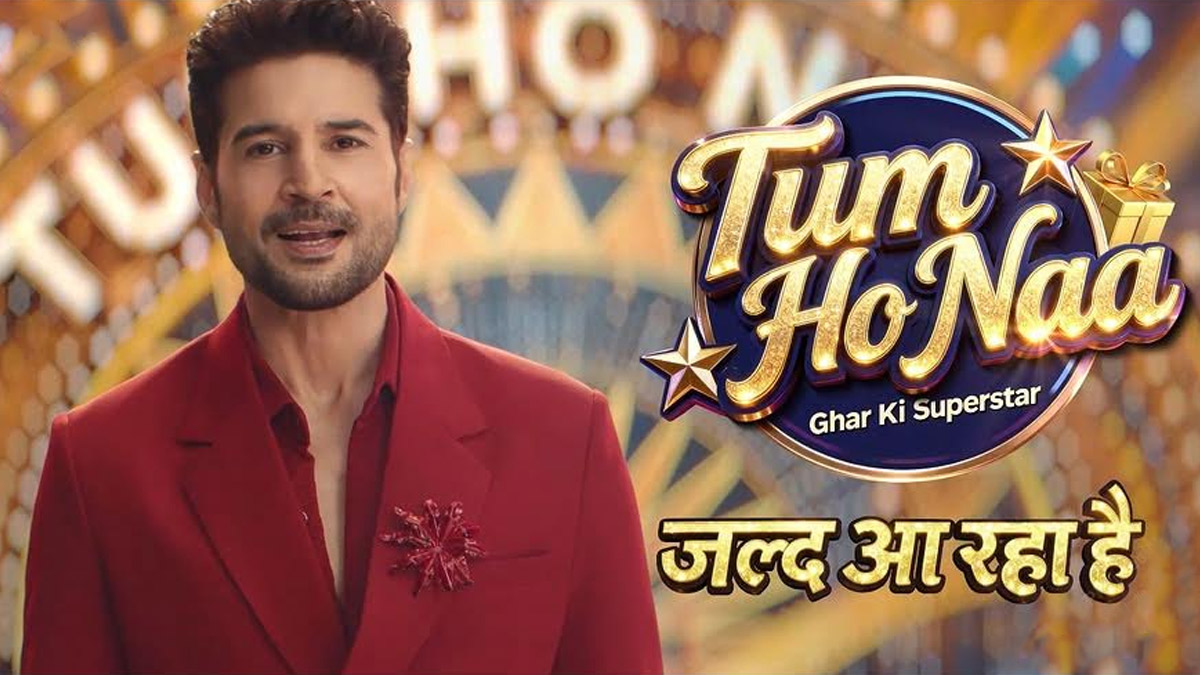
MUMBAI: Lights, camera… connection because this time, the game isn’t just about winning, it’s about who’s with you. Sony Pictures Networks India is gearing up to launch a new reality game show, Tum Ho Naa, expanding its unscripted slate with a format that promises both emotion and engagement.
The show will premiere soon on Sony Entertainment Television and stream on Sony LIV, with Rajeev Khandelwal stepping in as host. Known for his measured screen presence and selective choices, Khandelwal’s return to television adds a layer of familiarity and credibility to the upcoming format.
While specific details of the gameplay remain under wraps, the positioning suggests a reality format that leans as much on emotional resonance as it does on competition, an increasingly popular blend in Indian television, where audiences are gravitating towards content that offers both stakes and storytelling.
Khandelwal, reflecting on his return, noted that his choices have often been guided by instinct rather than convention, describing Tum Ho Naa as a project that feels “close to the heart”. His association also signals Sony’s continued focus on anchoring new formats with recognisable faces who bring both relatability and depth.
The launch comes at a time when broadcasters are doubling down on original non-fiction formats to drive appointment viewing, even as digital platforms expand parallel reach. By placing the show across both linear television and OTT, Sony appears to be aiming for a dual-audience strategy capturing traditional viewers while engaging digital-first consumers.
As the countdown to premiere begins, Tum Ho Naa positions itself not just as another game show, but as a reminder that sometimes, the biggest prize on screen isn’t the jackpot, it’s the journey shared along the way.






