Gaming
For India to become a gaming hub, it needs clear, consistent & credible policies: Dr Aruna Sharma

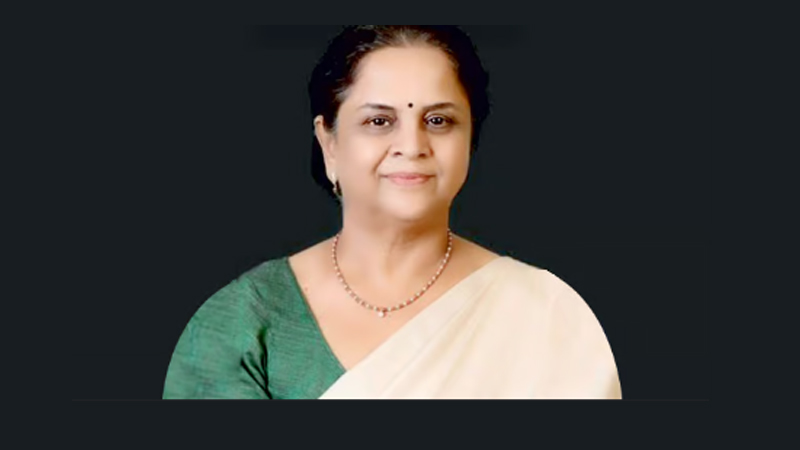
Mumbai: The online gaming industry in India is rapidly evolving amidst a backdrop of regulatory scrutiny and technological advancement. With a staggering 28 per cent CAGR from FY20-23 and a market valuation of ₹16,428 crore, it has caught the attention of global investors and developers alike. As policymakers navigate challenges around GST implementation and classification of games, the industry seeks a stable regulatory framework to propel it towards becoming a global hub for game developers, leveraging India’s vast potential and cultural richness.
Delving deeper, Indiantelevision.com caught up with development economist and retired secretary of Government of India, Dr. Aruna Sharma, to gain more insights on how regulatory dynamics and technological advancements are shaping the future of the Indian online gaming industry.
Edited Excerpts:

On the current trends shaping the Indian online gaming industry
The gaming industry in India is evolving rapidly. It is focusing on avoiding misleading ads, ensuring secure digital payments, and keeping an open dialogue with policymakers. The rise of smartphones, better internet access, and new gaming start-ups is exciting. We’re seeing challenges being tackled both with policymakers and in courts. What’s unique about India is how it differentiates between games of skill and games of chance. There’s also a growing perception of online games as valuable learning tools.
On the implementation of GST impacting the online gaming industry, and the changes you would recommend for a more balanced taxation policy
In 2023, the GST on online games of skill jumped from 18 per cent to 28 per cent, which was a big shock to the industry. Thankfully, courts have stayed with this increase, recognising the issue, and an inter-ministerial group is now looking into GST rationalisation. The retrospective application from July 2017 was especially tough. However, a recent amendment in Section 11A allows the government to waive these retrospective taxes and penalties, and a quick, positive decision on this is essential.
Moreover, GST is currently imposed on the entire amount on the table, including player contributions and winnings, which aren’t classified as goods or services. This needs to be corrected, and hopefully, the Supreme Court will address it soon.
On responsible online gaming contributing to India’s goal of becoming a $5 trillion economy and a global hub for game developers
Responsible gaming involves several key practices: including SROs among its members, ensuring KYC for all players, mandating digital payments, storing all data on blockchain for easy retrieval and analysis, implementing filters for time spent, money limits, and age restrictions, reporting any signs of money laundering, and adhering to advertising codes to prevent misleading ads.
For India to become a gaming hub, it needs clear, consistent, and credible policies. All gaming companies should register in India and pay taxes here. India has the talent to develop new, culturally relevant games and a significant potential for expansion. Games should be classified as either games of skill or games of chance, with no bans on any type of game.
On cultural localisation impacting the success of online games in India
Online gaming can be a great learning tool, especially for games of skill. People can learn game rules, strategise, and play in teams. India’s rich storytelling tradition can be transformed into engaging games. Online games can also teach kids important skills like color recognition, pattern identification, and grouping. They can even include lessons on civic sense and traffic rules in a fun way.
On the convergence of online gaming with other digital sectors like fintech and e-governance
Online gaming is a unique product. Its use of blockchain, digital payments, and KYC helps detect and prevent misuse like money laundering, with data that can be easily traced. While e-governance can use online gaming for skill development, the two remain distinct. Fintech has stricter rules to follow, as it involves finance. All digital transformation platforms need their own core discipline.
On the impact of too many intrusive ads in mobile games, and the industry striking a balance between monetisation and maintaining a positive user experience
Many digital platforms have moved to a subscription model instead of relying solely on ads. Plus, many platforms offer the option to pay extra for an ad-free experience, which users appreciate.
On envisioning the future of the online gaming industry in India over the next decade, especially in terms of technological advancements, regulatory changes, and market growth
Technological advancements will spread globally. If we delay implementing the right policies, online gaming might move offshore, and India could miss out. We need policies that are convergent, consistent, and credible.
Today, 60 per cent of mobile phones in India are smartphones. With secure digital payments and expanding internet access, the market for online gaming will grow exponentially. India has the potential to become a hub for game developers and a leading platform for online gaming.
Currently, games of chance are registered under the Gambling Act. However, online games of skill are only registered for taxation purposes, as MeitY has not yet established an SRB, set parameters to define money and non-money games as skill-based, or enabled all Indian and offshore developers to register in India and legitimise the process.





Gaming
Konami concludes successful eFootball India campaign
Campaign featuring Rinku Singh, Varun Chakravarthy and other stars boosts engagement ahead of FIFA World Cup 2026.
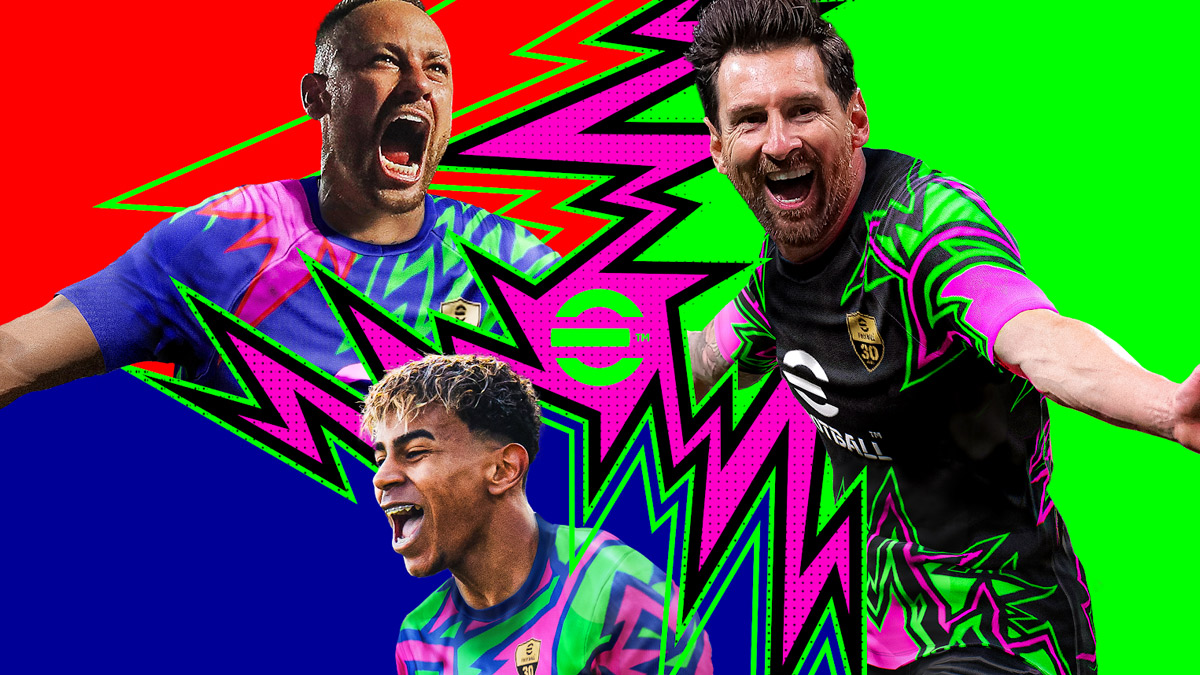
MUMBAI: When cricket meets football in the virtual world, even the biggest fans can’t help but score and Konami’s latest eFootball campaign in India has clearly hit the back of the net. Konami Digital Entertainment has successfully wrapped up its India campaign for eFootball, which brought together cricketers Rinku Singh and Varun Chakravarthy, actors Naslen Gafoor and Chandu Salim Kumar, and footballers Sahal Abdul Samad and Shubhasish Bose. The multi-star campaign generated strong excitement across gaming, football, and creator communities through social content, fan participation, and in-game engagement.
Building on the initial launch that featured a limited-time Lionel Messi card, the campaign united fan communities, lifestyle creators, football creators, and competitive eFootball influencers. It significantly expanded the game’s visibility and deepened engagement with fans across the country.
The campaign also saw thousands of entries submitted as part of its social media engagement challenge, reflecting high levels of community enthusiasm and active creator involvement.
Looking ahead, Konami plans to build on this momentum with more eFootball experiences for Indian fans as the FIFA World Cup 2026 approaches. With global attention on the tournament set to rise, India will remain a key market for deepening community engagement and bringing fans closer to the action.
In a country that lives and breathes sport, Konami has shown that mixing real-world stars with virtual thrills is a winning formula leaving fans eagerly waiting for the next goal.






