iWorld
For an average Indian viewer, distinction between original and adapted content is often irrelevant: Mautik Tolia

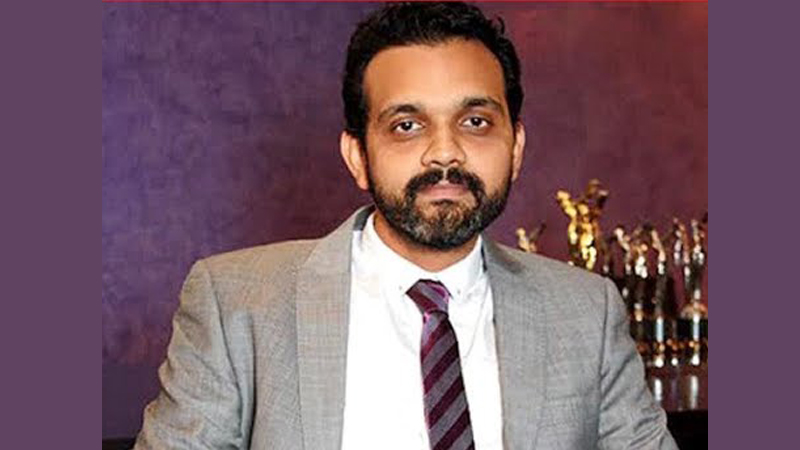
Mumbai: With over 3000+ hours of content produced across 50+ shows for major broadcasters and OTT platforms, Bodhitree Multimedia Ltd specializes in drama, thriller, horror, comedy, and lifestyle genres. Their services encompass producing, directing, writing, dubbing, mixing, subtitling, content editing, and localization for a variety of media including television, films, and digital platforms, operating primarily on a B2B business model.
The company operates in three main verticals: Broadcast – Hindi General Entertainment, Content for OTT platforms, and Regional Content across languages such as Tamil, Marathi, Bengali, and Gujarati for broadcast and digital. By focusing on trending and edgy themes, Bodhitree has established a strong reputation in the Indian media industry, becoming a preferred partner for many broadcasters and OTT platforms, thanks to their versatile and high-quality productions.
Bodhitree most recently launched Gunaah on Hotstar, Class on Netflix. Other titles under Bodhitree include Fuh se Fantasy, The Gone Game, Marzi, The Raikar Case, among others.

Indiantelevision.com reached out to Bodhitree Multimedia’s managing director Mautik Tolia, where he highlighted their significant content consumption growth, adaptations, new ventures and much more…
Edited excepts
Your recent show “Gunaah” on Disney+ Hotstar has been a significant success with 3.4 million views. What factors do you attribute to its popularity, and how does it fit into BTML’s overall content strategy?
When we examined the original Turkish content, we found it to be highly plot-driven and filled with raw emotions. These elements resonate strongly with the Indian audience due to their deep-rooted appeal in pulpy storytelling, themes of revenge, drama, and family betrayal. Recognizing this, we tailored the content into a love story, confident that it would connect well with Indian audiences, particularly those who consume Hotstar. This approach has proven successful, garnering a very positive response for the show.
BTML has been actively expanding into new ventures such as media rights management and studio facilities. How do these new ventures complement your core business of content production?
Our strategy involves vertical expansion within our existing businesses, addressing specific infrastructure needs within the industry. We aim to fill crucial gaps in the market, ensuring we meet growing demands effectively.
With the establishment of subsidiaries focusing on regional content like Marathi and Bhojpuri, how important is regional language content to BTML’s growth strategy, and what are your future plans in this segment?
Regional content plays an important role in our strategy, given its exponential growth potential, especially through OTT platforms as internet penetration increases. While Hindi remains a dominant market, regional languages such as Tamil, Telugu, and Bengali are gaining significant traction in content consumption, mirroring trends seen in traditional broadcasting. We are poised to capitalize on this shift by producing tailored content in regional languages.
BTML reported a 50% revenue growth in FY24 and an EBITDA margin of 14.23%. What were the key drivers behind this growth, and how do you plan to sustain this momentum in the coming years?
Key drivers behind this growth is that our expanded content strategy is more inclusive than before, encompassing a wider range of platforms beyond TV and OTT. This diversification includes the establishment of subsidiaries and other strategic initiatives, reflecting our commitment to broader market coverage and sustained growth.
Adaptations like “Class” on Netflix have been well-received. Could you elaborate on your thoughts on adapting international content for the Indian audience?
For an average Indian viewer, the distinction between original and adapted content is often irrelevant; what matters most is the quality and appeal of the content itself. Whether an adaptation of an international series or a homegrown production, viewers judge based on its merits rather than its origins.
As the managing director, what is your vision for BTML in the next 5-10 years, and how do you plan to position the company amidst competition and changing consumer preferences?
The industry is undergoing rationalization, and we position ourselves to serve all verticals of content creation comprehensively. Our trajectory aims to encompass diverse languages, genres, and formats, ensuring a versatile presence in the content creation landscape.







iWorld
Cineflicks set to enter India’s OTT market with community-first focus
New platform aims to blend streaming content with interactive viewing experiences

MUMBAI: A new player is gearing up to join India’s crowded streaming arena, with Cineflicks preparing to launch as a community-driven OTT platform aimed at redefining how audiences engage with digital entertainment.
The platform plans to offer a mix of movies, series and digital content, while placing equal emphasis on building an interactive ecosystem where viewers can connect, share and participate beyond passive viewing.
India’s OTT market has seen explosive growth over the past decade, fuelled by rising smartphone penetration and affordable internet access. As streaming becomes the default mode of content consumption, new entrants are increasingly looking to differentiate themselves not just through content libraries but through user experience.
Cineflicks appears to be positioning itself within this next phase of evolution. Instead of focusing solely on scale, the platform is aiming to create a space where audiences can engage more deeply with the content they watch, turning entertainment into a shared experience rather than a solo activity.
While details around its content slate remain under wraps, people familiar with the development say the platform is currently building out features and partnerships ahead of a phased rollout. The broader strategy suggests a blend of content discovery, community interaction and digital participation.
The timing is notable. With global and regional streaming platforms competing intensely for attention, the emphasis is slowly shifting towards engagement and retention rather than just acquisition. Platforms that can foster stronger audience connections may have an edge in this evolving landscape.
Cineflicks’ entry reflects the continued expansion of India’s digital entertainment ecosystem, where innovation is increasingly being driven by how content is experienced, not just what is offered.
As the platform moves closer to launch, the real test will be whether it can translate its community-first pitch into a compelling, everyday habit for viewers.







