Cable TV
FM players to lobby for tax sops, music rights fee

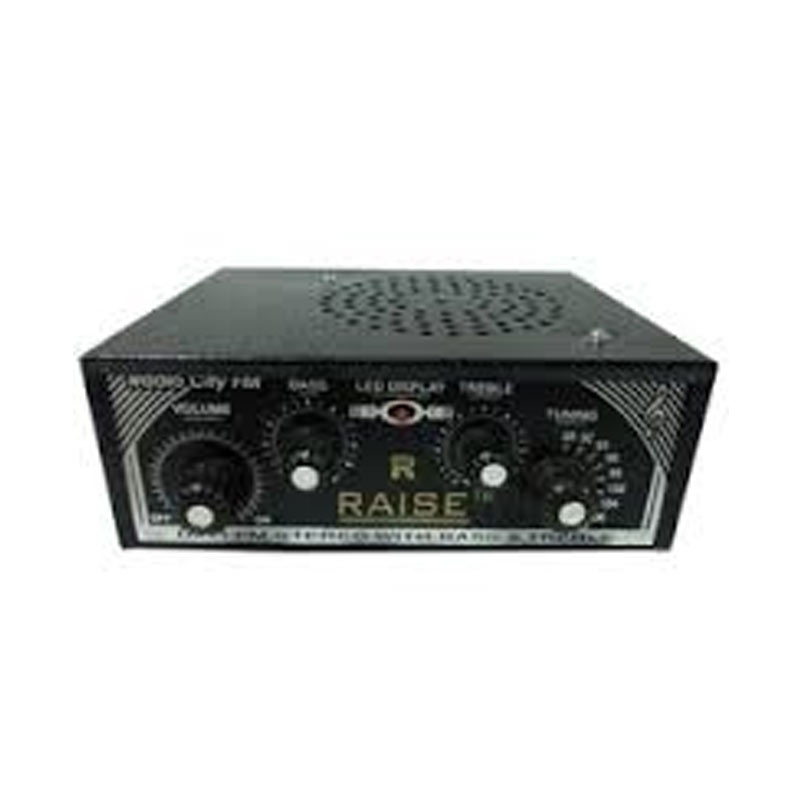
NEW DELHI: The newly-formed Association of Radio Operators of India (AROI), a body of FM radio licencees, has decided to petition the government on tax sops and work towards rationalization of music rights fee.
In a meeting held here today, AROI members, approximately 35 in number, including the big ones like Radio City, Radio Mirchi, the Sun TV group, Adlabs, expressed serious concern over high rates being demanded for music rights and also by Prasar Bharati for sharing its infrastructure with private players in some cities.
In a recent interview with Indiantelevision.com Music Broadcast Private Limited CEO Apurva S Purohit had said, “It is a fairly high fee rate that we pay to the music bodies. And I think that’s where some rationalization needs to be brought about. It is calculated per hour per city. With a large of number of stations in the kitty, a consolidation in the amount has to be brought about. We are working with the industry to bring a rationale pricing. It is a big cost. It can range between five to seven per cent of the cost structure that goes to the music bodies, which is fairly high.

“The members feel there should be an all round rationalization of rights fee and money demanded by Prasar Bharati for sharing infrastructure, which certainly is unjustified as it doesn’t take into consideration that in smaller cities the level of investments will be comparatively less,” AROI co-coordinator and BAG Infotainment chief executive Rajiv Mishra told Indiantelevision.com.
Over 40 private sector companies, holding 287 FM radio licences across 91 Indian cities, are preparing to start operations.
According to Mishra, Prasar Bharati has demanded money for infrastructure at the rate of Rs. 54 to Rs 55 per square feet, which would bring the annual cost to around between Rs. 400,000-Rs. 500,000.
Such a cost will prove to be high for smaller operations in smaller towns, Mishra said, trying to explain the economics of setting up a radio station.
Today’s meeting of AROI, attended by most members, also decided to form a panel to frame the constitution of the organization. Radio operators will again meet on 29 March to finalize the constitution.
AROI will be a registered, non-profit, non-governmental society dedicated to protect the common and collective interests of FM Radio broadcasters.
It will have a core executive council and will be supported by several committees on areas like legal & regulatory affairs, finance & commercial, technology and dispute settlement.




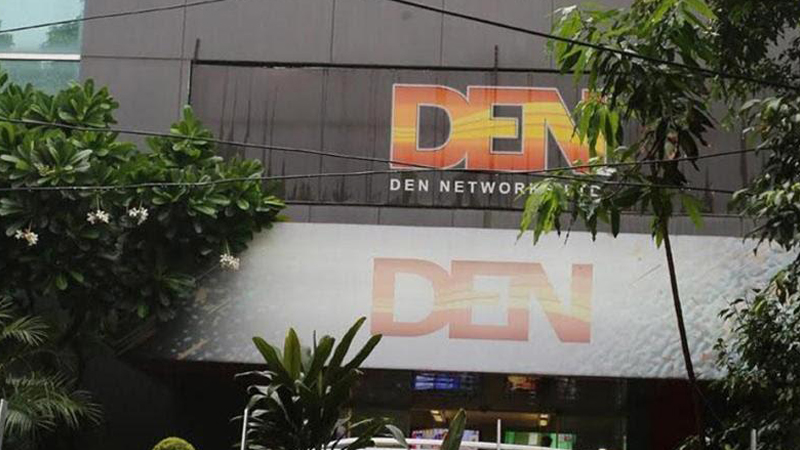
MUMBAI: When margins wobble, liquidity talks and in Q3 FY25-26, cash did most of the talking. Den Networks Limited closed the December quarter with consolidated revenue of Rs.251 crore, marginally higher than the previous quarter but down 4 per cent year-on-year, even as profitability stayed resilient on the back of strong cash reserves and disciplined cost control.
Subscription income softened to Rs.98 crore, slipping 3 per cent sequentially and 14 per cent from last year, while placement and marketing income offered some cheer, rising 15 per cent quarter-on-quarter to Rs.148 crore. Total costs climbed faster than revenue, up 7 per cent QoQ to Rs.238 crore, driven largely by higher content costs and operating expenses. As a result, EBITDA dropped sharply to Rs.13 crore from Rs.19 crore in Q2 and Rs.28 crore a year ago, pulling margins down to 5 per cent.
Yet, the bottom line refused to blink. Profit after tax stood at Rs.40 crore, up 15 per cent sequentially and only marginally lower than last year’s Rs.42 crore. A healthy Rs.57 crore in other income helped cushion operating pressure, keeping profit before tax at Rs.48 crore, broadly stable quarter-on-quarter despite the tougher cost environment.
The real headline-grabber, however, sits on the balance sheet. The company remains debt-free, with cash and cash equivalents swelling to Rs.3,279 crore as of December 31, 2025. Net worth rose to Rs.3,748 crore, while online collections accounted for 97 per cent of total receipts, underscoring strong cash discipline across operations, including subsidiaries.
In short, while Q3 showed signs of operating strain, the financial backbone remains solid. With zero gross debt, steady profits and a formidable cash war chest, the company enters the next quarter with flexibility firmly on its side proving that in uncertain markets, balance sheet strength can be the best growth strategy.






