GECs
FCC report suggests limiting of TV violence


MUMBAI: A new draft report from the US media watchdog the Federal Communications Commission (FCC) suggests the US government may be able to limit violence on TV in a way that does not violate the Constitution.
The long-overdue report suggests that Congress could craft a law that would let the agency regulate violent programming much like it regulates sexual content and profanity — by barring it from being aired during hours when children may be watching, for example.
An FCC official was quoted in media reports saying that violence could be treated similarly to broadcast indecency, with its airing prohibited during times when children might be watching.

However the official the FCC hasn’t officially adopted the findings of the draft report. Congress could order cable and satellite TV providers to allow viewers to buy channels individually or in family-friendly packages to limit how much violence children see.
The report had been requested by Congress. The report also suggests that cable and satellite TV could be subjected to an “a la carte” regime that would let viewers choose their channels.
Citing studies, the draft says that there is evidence that violent programming can lead to “short-term aggressive behavior in children”.







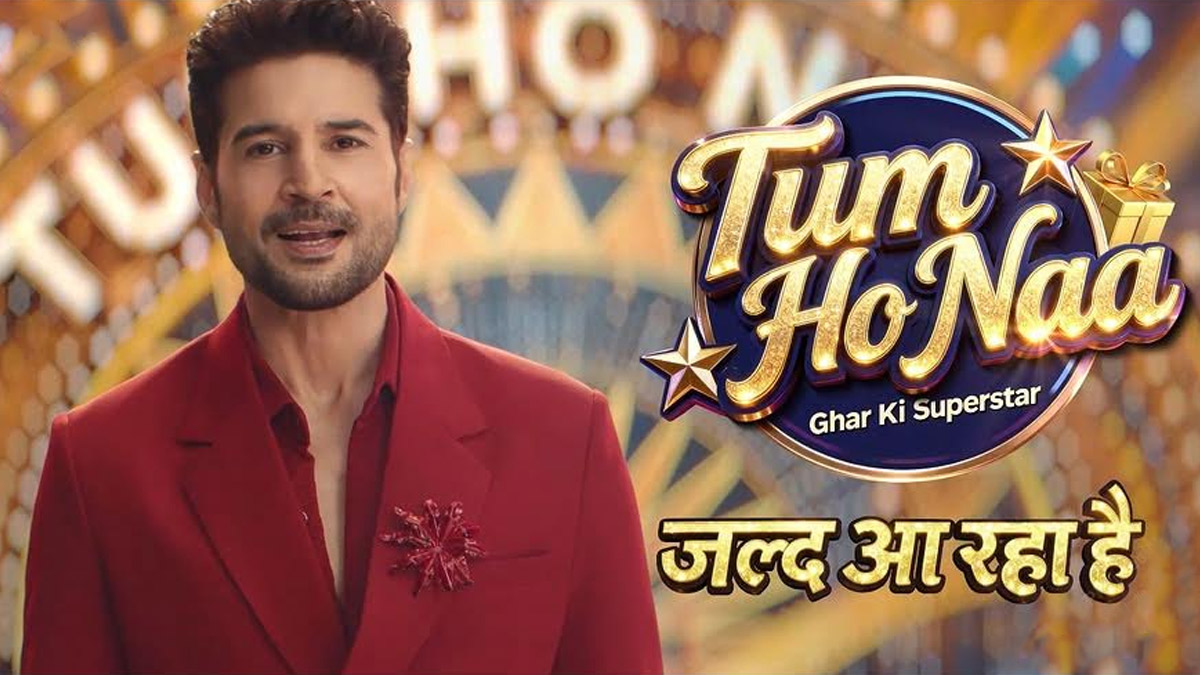
MUMBAI: Lights, camera… connection because this time, the game isn’t just about winning, it’s about who’s with you. Sony Pictures Networks India is gearing up to launch a new reality game show, Tum Ho Naa, expanding its unscripted slate with a format that promises both emotion and engagement.
The show will premiere soon on Sony Entertainment Television and stream on Sony LIV, with Rajeev Khandelwal stepping in as host. Known for his measured screen presence and selective choices, Khandelwal’s return to television adds a layer of familiarity and credibility to the upcoming format.
While specific details of the gameplay remain under wraps, the positioning suggests a reality format that leans as much on emotional resonance as it does on competition, an increasingly popular blend in Indian television, where audiences are gravitating towards content that offers both stakes and storytelling.
Khandelwal, reflecting on his return, noted that his choices have often been guided by instinct rather than convention, describing Tum Ho Naa as a project that feels “close to the heart”. His association also signals Sony’s continued focus on anchoring new formats with recognisable faces who bring both relatability and depth.
The launch comes at a time when broadcasters are doubling down on original non-fiction formats to drive appointment viewing, even as digital platforms expand parallel reach. By placing the show across both linear television and OTT, Sony appears to be aiming for a dual-audience strategy capturing traditional viewers while engaging digital-first consumers.
As the countdown to premiere begins, Tum Ho Naa positions itself not just as another game show, but as a reminder that sometimes, the biggest prize on screen isn’t the jackpot, it’s the journey shared along the way.






