iWorld
Facebook’s billion-dollar push to woo content creators


New Delhi: As its rival TikTok continues to rise up the charts, the social media giant Facebook has announced that it is all set to invest over $1 billion to reward creators for creating content on Facebook and Instagram by the end of 2022.
The announcement is part of the US giant’s big-term plans to up its game against YouTube and TikTok which have been setting new records. The Chinese video sharing app has thrived despite the government bans, and recently became the first non-Facebook mobile app to surpass three billion downloads since 2018 when it became available globally.
According to mobile analytics firm Sensor Tower, the milestone makes TikTok the fifth nongame app to cross the threshold, following WhatsApp, Messenger, Facebook and Instagram- all owned by Facebook. The US social media giant is now gearing up to compete with its rival’s spectacular rise.

“From artists to style experts and budding entertainers, creators drive so much of the passion and creativity we see across our apps. By the end of 2022, we plan to invest over $1 billion in programs that give you new ways to earn money for the content you create on Facebook and Instagram,” Facebook CEO Mark Zuckerberg said in a FB post. “We want to build the best platforms for millions of creators to make a living. Investing in creators isn’t new for us, but I’m excited to expand this work over time.”
The company said the idea is to reward creators, especially those just starting out. The investment will include new bonus programs that pay eligible creators for hitting certain milestones when they use FB’s creative and monetisation tools. The company will also provide seed funding for creators to produce their content. “Our goal is to help as many creators as possible find sustainable, long-term success on our apps,” it said.
Some programs are already available to select creators by invitation but the platform will now launch a dedicated place for bonuses within the Instagram app soon and later in the Facebook app. Instagram’s bonus programs will include incentives to use Reels,a feature developed post rise of TikTok.
“This investment brings together our many programs and initiatives across the company that support the creator community and enable them to earn a sustainable income on our apps. It complements our growing suite of monetisation tools,” said the company.






Gaming
Nodwin Gaming partners with Runestone for esports data and integrity solutions
South Asian esports leader joins forces with Czech tech firm to enhance tournament operations.
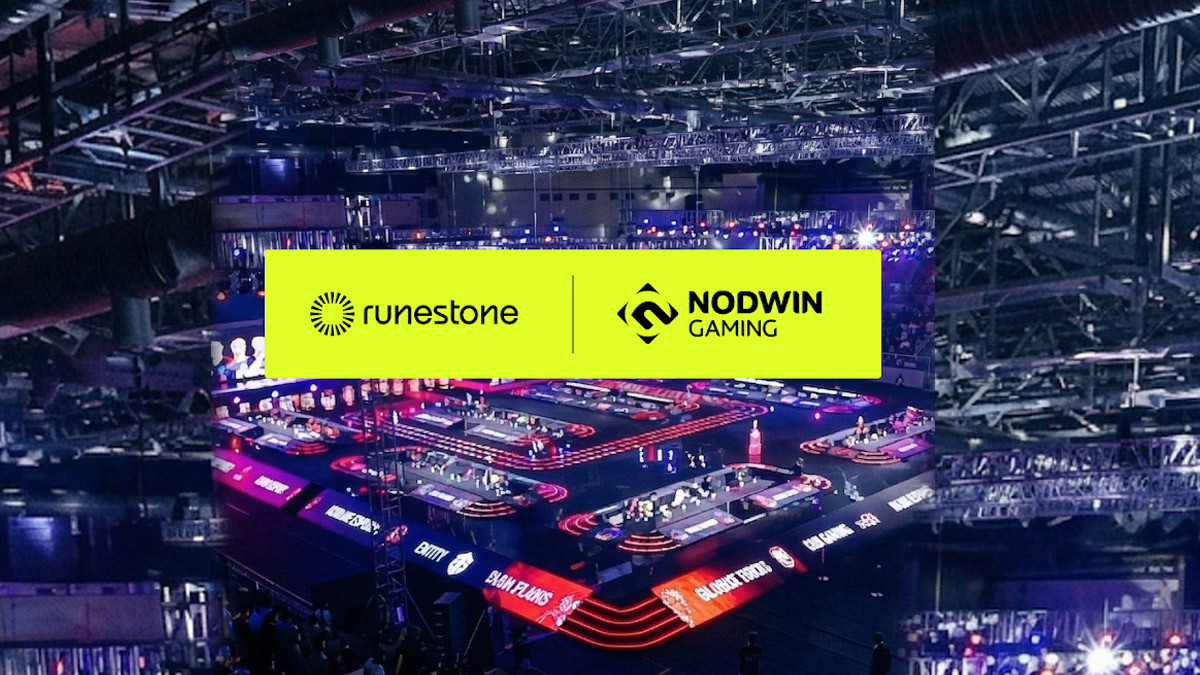
MUMBAI: Nodwin Gaming has just levelled up its game by bringing in a specialist to keep the scoreboard honest and the fans fully engaged. The leading South Asian esports and gaming company has announced a strategic partnership with Runestone, a Prague-headquartered esports technology firm specialising in real-time data and engagement solutions for tournament organisers and publishers.
The collaboration aims to strengthen competitive integrity, improve operational oversight, and deliver more interactive viewing experiences across Nodwin’s properties. It will initially focus on the Nodwin Clutch Series for Counter-Strike 2, a Tier 2 tournament that provides emerging teams with consistent competitive opportunities and helps build the talent pipeline.
The latest edition of the series recently concluded with Big defeating ECSTATIC 2–1 in the grand final of the $50,000 online event.
Nodwin Gaming chief business officer at MENA and global head of data monetization Teemu Koski said, “Integrity and transparency are fundamental to sustainable esports ecosystems, especially in Tier 2 competition where the next generation of talent emerges. Runestone’s expertise complements our experience in building scalable esports IPs.”
Runestone head of partnerships Michael Schwartz added, “Nodwin Gaming has built one of the most dynamic esports ecosystems across emerging markets. We’re thrilled to collaborate on supporting tournaments with greater transparency, deeper fan interaction, and scalable tools.”
Both companies are exploring opportunities to extend the partnership across additional titles, including mobile-first competitive ecosystems, and to develop new products for publishers, tournament operators, and event promoters.
In the rapidly growing world of esports, where fair play and fan excitement are equally crucial, Nodwin Gaming and Runestone are teaming up to ensure every match is not only competitive but also transparent and engaging. This alliance could well become a game-changer for Tier 2 tournaments across South Asia and beyond.







