iWorld
Facebook joins COAI as associate member


NEW DELHI: The leading mobile communications association in India, Cellular Operators Association of India (COAI), has announced the induction of Facebook India Online Services as an associate member.
COAI’s associate membership comprises companies that manufacture or support the functioning, promotion, research development and evolution of mobile communications services. The induction of the Mark Zuckerberg-led company in COAI will help it in getting a bigger platform to interact with the leading mobile operators.

Facebook, public policy director – India and south Asia Ankhi Das said, “Over 85 per cent of the world’s population lives in areas with existing cellular coverage, yet only about 30 per cent of the total population accesses the internet. Affordability and awareness are significant barriers to internet adoption. Facebook believes that overcoming these barriers and connecting people has immense value, from empowering people to exercise their rights to freely express themselves, promoting transparency and democratic values and allowing people to access affordable data services in areas such as health care, education and information, which they otherwise cannot afford. Access = opportunity – creating more economic, social and political opportunities for everybody.”
She further added, “Joining COAI as an associate member reflects our focus on mobile technologies, access and our continued desire to work in collaboration with the industry to increase connectivity. We look forward to playing an active role as a member.”
Founded in 2004, the social media giant Facebook aimed to is to give people the power to share and make the world more open and connected. Facebook has more than 1.32 billion monthly active users globally, including over 100 million monthly active users in India.
COAI’s other associate members include Alcatel Lucent India, Cisco Systems India, Ericsson India, IBM India, GTL Infrastructure, Huawei Technologies, Indus Towers, Intel Corporation, Nokia Solutions and Networks, Qualcomm India and ZTE India.
Commenting on the induction COAI director general Rajan S Mathews said, “We welcome Facebook India Online Services to the COAI family. Social networking, especially Facebook, has changed the way Indians work, play, communicate, socialise and do business. We believe this will further grow to become a crucial part of and influence the socio-economic culture in the country. We feel that Facebook’s active participation in COAI activities will result in mutual value addition and bring the much needed synergy of functioning between the service providers and the content/VAS players.”
Having started as an association for mobile service providers, COAI, today, has members including cellular service providers, telecom infrastructure companies, and telecom equipment manufacturers; and still expanding to include other allied and critical stakeholders of the sector.







Gaming
Sony raises PS5 prices for second time in under a year
US disc edition jumps $100 to $649.99 as memory costs surge.
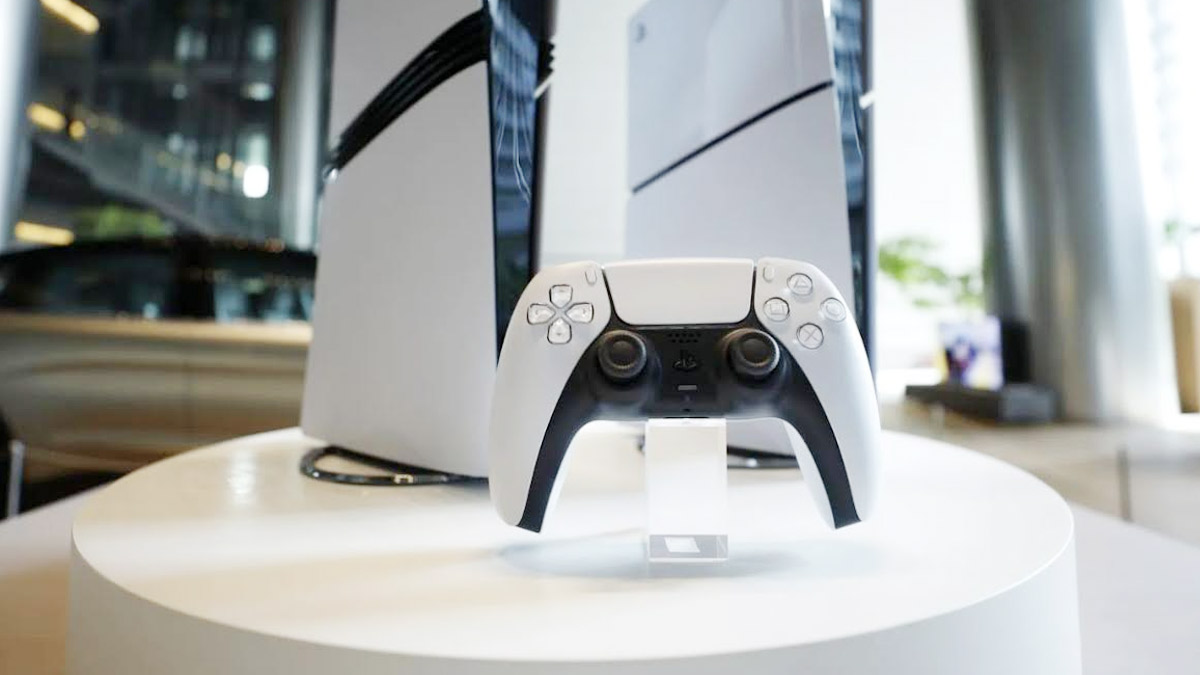
MUMBAI: Sony just hit the pause button on affordable gaming because when memory prices skyrocket, even the Playstation has to pay the premium. Sony has announced its second price increase for the Playstation 5 range in less than a year, citing pressures in the global economic landscape and a sharp rise in memory component costs driven by AI demand.
In the US, the PS5 disc edition will rise from $549.99 to $649.99, a $100 hike while the digital edition increases to $599.99. The more powerful PS5 Pro will jump $150 to $899.99. The Playstation Portal remote player will also rise by $50 to $249.99. The new prices take effect on 2 April 2026.
Similar increases have been applied in the UK (£90 per model), Europe and Japan. Sony last raised PS5 prices in the US in August 2025.
“We know that price changes impact our community, and after careful evaluation, we found this was a necessary step to ensure we can continue delivering innovative, high-quality gaming experiences to players worldwide,” Sony said in a blog post.
The hikes come amid an unprecedented surge in memory prices, as manufacturers prioritise supply for AI data centres. Analysts say Sony had likely secured price protections for components that have now expired, forcing the company to protect its hardware margins.
Ampere Analysis research director of games Piers Harding-Rolls told CNBC that further increases from Microsoft and Nintendo would not be surprising, though Nintendo may hesitate to raise the price of its recently launched Switch 2 while establishing the new platform.
The increases arrive eight months before the highly anticipated release of GTA 6, which is expected to drive strong console sales. However, early reactions online have been a mix of disappointment and resignation, with growing concern that premium gaming is increasingly becoming a hobby for higher-income players.
In a sector already grappling with tariffs, inflation and component shortages, Sony’s move underscores a tough reality: even the most popular consoles are not immune to the rising cost of keeping up with the latest technology.








