Gaming
Ex-Glazer Games CEO Anand Mishra joins MetaNinza

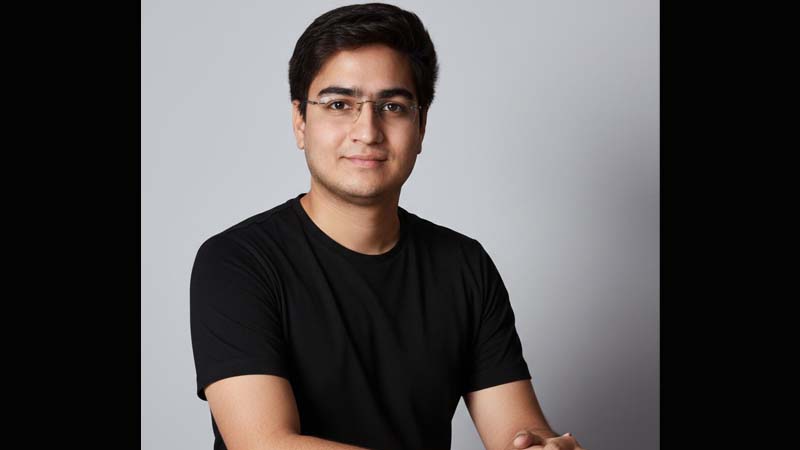
Ahmedabad: MetaNinza, a rewards-first gaming and esports platform, has onboarded Anand Mishra as co-founder and chief of staff, signalling an ambitious push to scale its ecosystem across India and South East Asia.
Anand, a serial entrepreneur with 7+ years in consumer tech, blockchain and gaming, previously founded and led Glazer Labs, where he built Glazer Games and THRYL, a rewards-centric gamer engagement platform. Under his leadership, Glazer Games delivered 400 million+ impressions for 50+ brands, drove 10 million+ user acquisitions, executed hundreds of creator partnerships, and launched new esports IPs. THRYL amassed nearly half a million users in just two months. Anand also founded HECOD Blockchain, serving 400+ B2B clients globally and scaling to 8 million+ active users, with a $4.2 million ARR.
At MetaNinza, Anand will oversee growth, user acquisition, creator ecosystem building, tournaments and rewards distribution, and ensure alignment between product, tech, marketing and operations. His blockchain expertise is expected to strengthen secure, fair and anti-abuse reward systems across the platform.

“MetaNinza is building something truly differentiated by combining competitive esports, rewards-first daily engagement and community-led growth. What drew me most was their clarity of vision: to go beyond tournaments and build a full participation ecosystem where gamers engage meaningfully every day and are rewarded fairly,” said Anand Mishra.
The appointment comes as MetaNinza strengthens its platform foundations and expands its offerings, including tournaments, scrims, quests, coin wallets, offerwalls and anti-abuse frameworks. The company has also launched 16score.com, a global esports news platform aimed at boosting organic community growth. MetaNinza currently serves India-first users but plans to scale across South East Asia, targeting 600 million gaming enthusiasts in the region over the next three years.
“Anand brings a rare combination of ecosystem insight and execution discipline. His experience in building scalable gaming platforms is exactly what we need as MetaNinza enters its next growth phase,” said Sudhansu Sinha, founder and CEO of MetaNinza.
MetaNinza is positioning itself as a full-stack, community-first esports brand, combining competitive tournaments, teams, technology, content and social engagement into one end-to-end platform.
Gaming is no longer just play. With Anand on board, MetaNinza is turning competition, rewards and community into a high-speed growth engine.

Gaming
MTG gaming chief Benninghoff joins NODWIN board as esports firm primes for IPO
The Gurugram-based esports firm is pursuing a public listing, has returned to profitability and is growing revenues by 42 per cent
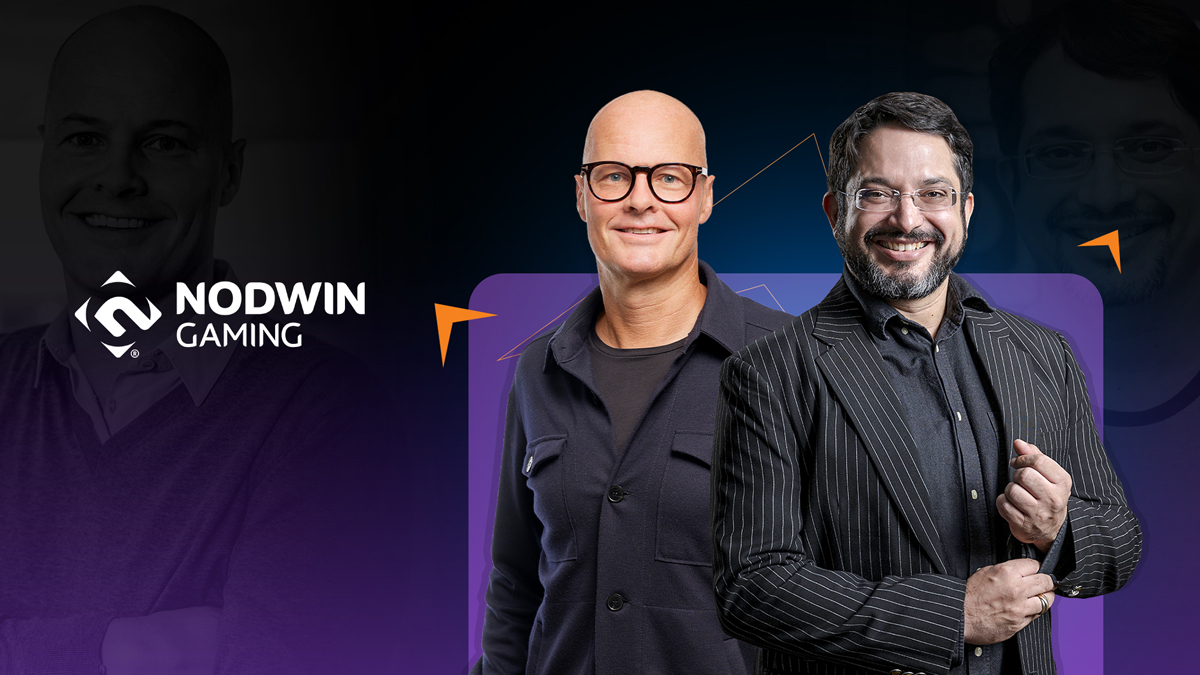
GURUGRAM: NODWIN Gaming is moving fast. The Gurugram-based gaming and esports company has launched a pre-IPO fundraising round, appointed UBS as lead adviser for both the round and a subsequent public listing, and landed a heavyweight board director, all in one go.
The new board member is Arnd Benninghoff, executive vice president of gaming at Stockholm-listed Modern Times Group (MTG), who has overseen the group’s strategic investments and portfolio growth since 2014. He is no stranger to building things: Benninghoff has founded and built fifteen companies, served as chief digital officer at ProSiebenSat.1 Media AG, managing director of SevenVentures, and chief executive of Holtzbrinck eLAB. He began his career as a journalist at Deutsche Presse Agentur and various TV networks, holds a Diplom-Kaufmann in business and administration from the University of Münster, and previously sat on the board of Edgeware AB.
The numbers back the ambition
NODWIN is not pitching a story without substance. The company has returned to EBITDA profitability and posted a 42 per cent year-on-year revenue surge, reaching $58.5m in the first nine months of FY2026. The pre-IPO round will combine a primary issuance to fund global expansion through organic growth and acquisitions, alongside a secondary sale to give existing shareholders some liquidity.
Akshat Rathee, co-founder and managing director of NODWIN Gaming, said Benninghoff understands “the entire lifecycle of the gaming and media ecosystem, from the boots-on-the-ground reality of building startups to the strategic complexity of managing multi-billion dollar global portfolios.”
Benninghoff, for his part, said the company “sits at the intersection of sports, entertainment, and technology, making it one of the most exciting players in the global gaming landscape today.”
A portfolio built for the global south
Founded in 2014 by Rathee and Gautam Virk, NODWIN has quietly assembled one of the more compelling esports portfolios outside the Western hemisphere. Its properties include DreamHack India and Comic Con India, and it recently acquired StarLadder, the Ukraine-based tournament organiser behind premier events in CS:GO and Dota 2. The company also serves as a long-term strategic marketing partner for the Evolution Championship Series (EVO), the world’s most prominent fighting game tournament, helping push it into new geographies.
Its geographic focus spans South Asia, Central Asia, Southeast Asia, the Middle East and Africa. Backers include Nazara Technologies, KRAFTON, Sony Group Corporation, JetSynthesys, and the founders’ investment vehicle Good Game Investments.
What comes next
With UBS running the books, a board freshly reinforced with European media and gaming expertise, and revenue heading in the right direction, NODWIN is laying the groundwork deliberately. The esports industry has burned investors before with big promises and thin margins. NODWIN’s return to profitability, combined with a real portfolio of owned intellectual properties across gaming, music and youth culture, gives it a more credible runway than most. The IPO clock is now ticking.







