iWorld
Eros Now, Xiaomi Mi TV enter into distribution partnership

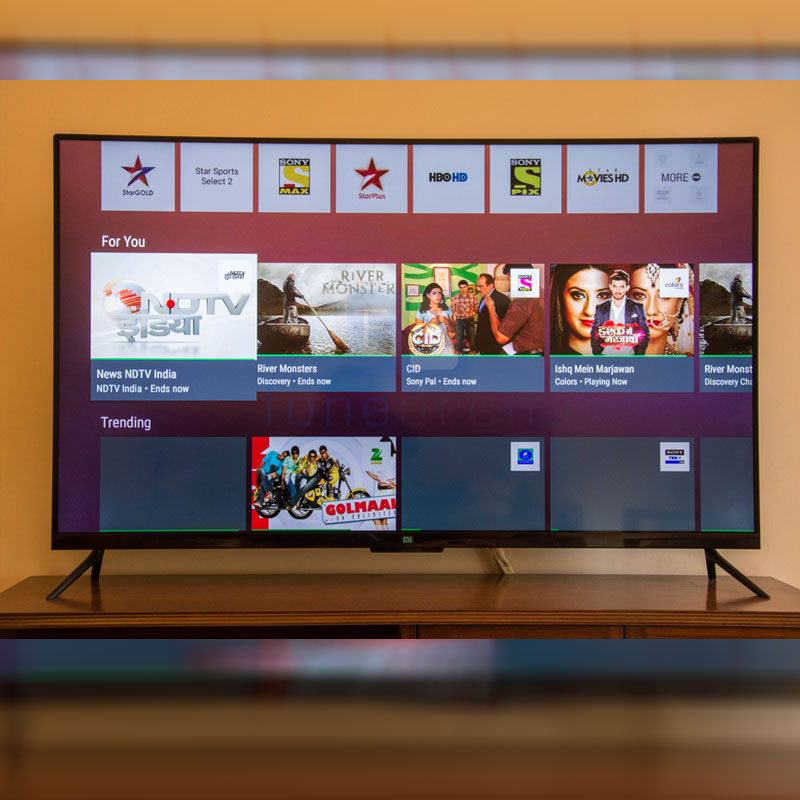
MUMBAI: Eros International has announced that Eros Now, its cutting edge digital over-the-top (OTT) South Asian entertainment platform, has entered into a strategic distribution partnership with Xiaomi, India’s smartphone brand for its smart Mi LED TVs.
With this partnership, Eros Now further enhances its distribution to the larger screen in India and then across Asia. Eros Now will be available within patchwall on all Mi TVs sold in India, giving all users access to its compelling bouquet of 11,000+ Bollywood and regional language films, entertainment shows, music videos and originals at a monthly subscription of INR 49 (Plus Plan) and INR 99 (Premium Plan).
Eros Digital CEO Rishika Lulla Singh said, “Eros Now intends to take its viewers beyond conventional small screen on demand experience and offering an enviable user interface on smart televisions. In a bid to ensure that the digital-first audience of today has access to the best of entertainment, we are glad to partner with Xiaomi for its content offerings on all Mi LED TVs. Through this partnership, we are thrilled to bring our larger than life movies and Eros Now Originals on the bigger screens with a richer experience.”

Eros Now’s integration with Mi LED TVs comes at a time when Xiaomi is celebrating its anniversary of four years in India. Earlier this year, Xiaomi integrated its Mi Video app with on-demand streaming services including Eros Now.
MiTV Xiaomi India product manager Sudeep Sahu said, “Mi TV 4 is the thinnest LED TV in the world, boasting an extremely slim design that measures only 4.9mm, with a frameless display design for a more immersive viewing experience. With our content first philosophy, we hope to bring each Mi LED TV user a unique experience with a personalised interface. All this and much more is possible with PatchWall inbuilt into the world’s thinnest LED TV. Eros Now has been synonymous with groundbreaking content for the digital medium and we are extremely proud to have brought them on-board with their high quality immersive content offerings for all our Mi Fans. We hope to build great properties together. Mi LED TV offers over 500,000 hours of content and Eros Now is a very important partner who share similar brand philosophies as Xiaomi in terms of disrupting industries.”
In an innovative move earlier this year, Xiaomi launched the new Mi LED TV 4 55”, Mi LED TV 4A 43” and Mi LED TV 4A 32” armed with native apps from a group of content partners powering the world’s thinnest LED TV. Eros Now’s content offering adds to the largest content aggregator library in India of Xiaomi. The content offerings now pan out to all three Mi TV’s.


Gaming
Nodwin Gaming partners with Runestone for esports data and integrity solutions
South Asian esports leader joins forces with Czech tech firm to enhance tournament operations.
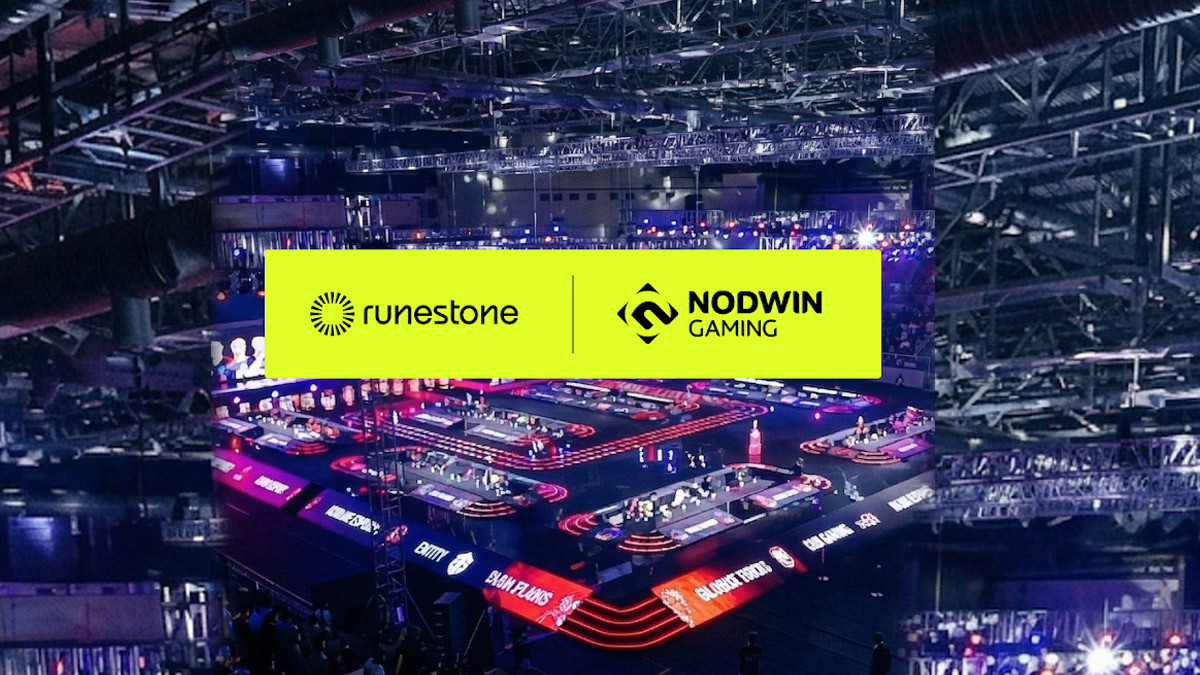
MUMBAI: Nodwin Gaming has just levelled up its game by bringing in a specialist to keep the scoreboard honest and the fans fully engaged. The leading South Asian esports and gaming company has announced a strategic partnership with Runestone, a Prague-headquartered esports technology firm specialising in real-time data and engagement solutions for tournament organisers and publishers.
The collaboration aims to strengthen competitive integrity, improve operational oversight, and deliver more interactive viewing experiences across Nodwin’s properties. It will initially focus on the Nodwin Clutch Series for Counter-Strike 2, a Tier 2 tournament that provides emerging teams with consistent competitive opportunities and helps build the talent pipeline.
The latest edition of the series recently concluded with Big defeating ECSTATIC 2–1 in the grand final of the $50,000 online event.
Nodwin Gaming chief business officer at MENA and global head of data monetization Teemu Koski said, “Integrity and transparency are fundamental to sustainable esports ecosystems, especially in Tier 2 competition where the next generation of talent emerges. Runestone’s expertise complements our experience in building scalable esports IPs.”
Runestone head of partnerships Michael Schwartz added, “Nodwin Gaming has built one of the most dynamic esports ecosystems across emerging markets. We’re thrilled to collaborate on supporting tournaments with greater transparency, deeper fan interaction, and scalable tools.”
Both companies are exploring opportunities to extend the partnership across additional titles, including mobile-first competitive ecosystems, and to develop new products for publishers, tournament operators, and event promoters.
In the rapidly growing world of esports, where fair play and fan excitement are equally crucial, Nodwin Gaming and Runestone are teaming up to ensure every match is not only competitive but also transparent and engaging. This alliance could well become a game-changer for Tier 2 tournaments across South Asia and beyond.







