News Broadcasting
EPIC On brings special offer for Amazon Fire TV Stick users


MUMBAI: EPIC On, the premium video-on-demand platform by EPIC Channel, takes the next step to strengthening its relationship with users of one of the most popular streaming media players in the country – Amazon Fire TV Stick. For the first-time ever, Amazon Fire TV Stick users can avail the annual subscription of EPIC On at a discount of 50 per cent. This limited period, exclusive offer is currently available and valid only on the annual subscription plan of Rs. 499/-.
Amazon Fire TV Stick users have access to EPIC On’s high-definition (HD) content library across genres – with select shows in Hindi, English, and Tamil – along with short format content, video books by renowned author Devdutt Pattanaik, and classic tales from ACK Media and Tinkle.
EPIC On hosts content from EPIC TV’s acclaimed library along with a selection of exceptional stories and original series mentioned below.

Regiment Diaries – The show takes the audience behind the heavily guarded gates of new army regimental centres and highlights the training, legacy, history of the regiments, and all that goes into turning a civilian into a solider.
Siyaasat – Based on the famous book, ‘The Twentieth Wife’, the show is a story of politics, interpersonal conflicts, sabotage, grandeur, power and above all else, the love between Salim and Mehrunissa, who was Salim's twentieth and final wife.
Road Less Travelled – The host travels through India in search of exotic and unique experiences, moments not found in ordinary life.
Wilderness Days – Tom Alter takes viewers across the length and breadth of the country, traversing some of the wildest forests to get exclusive footage of unbelievably close encounters with animals in their natural habitats.
The Great Escape – Based on true events, this show takes you on a thrilling ride of the most daring escapes from Indian history.
Stories By Rabindranath Tagore – Ace director Anurag Basu presents a cinematic interpretation of Tagore's stories and characters, transporting the audience to a less complicated world filled with far more appeal and beauty.
Ekaant – The show documents and investigates the eerie processes of abandonment of historic sites like palaces and deserted forts, near some of the most populated places.





News Broadcasting
CNN-News18 to host Fury in the Gulf conclave on West Asia crisis
Three-hour summit to unpack geopolitical fallout and impact on India
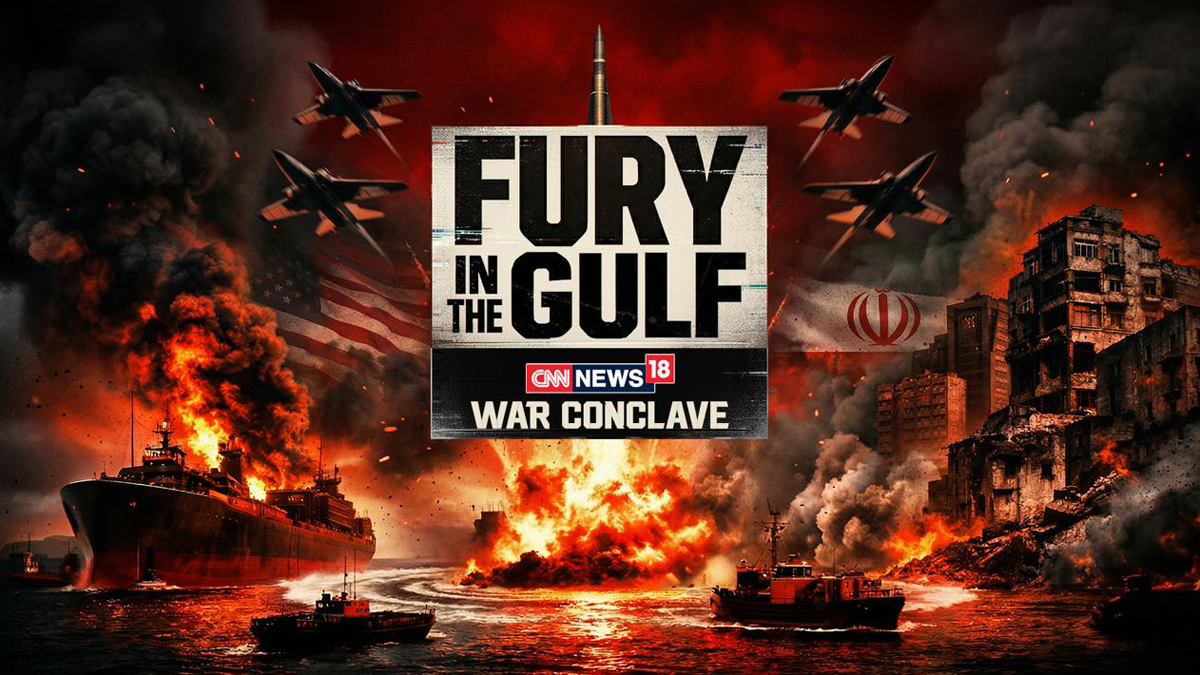
MUMBAI: CNN-News18 is set to host a special three-hour broadcast, Fury in the Gulf – War Conclave, on April 7, aiming to decode the escalating West Asia crisis and its far-reaching implications for India.
Scheduled from 4:00 PM to 7:00 PM, the conclave comes at a time when tensions between Iran and the United States are reshaping global geopolitics and triggering economic uncertainty. With India’s deep energy ties, trade links and large diaspora in the Gulf, the developments carry significant domestic relevance.
Built around the theme ‘Conflict, Consequences, and The Future,’ the programme will feature six curated sessions combining one-on-one interviews and panel discussions. The focus is to cut through the clutter and offer viewers a clearer understanding of the fast-evolving situation.
Key sessions include ‘Diplomacy in Times of War’ featuring Shashi Tharoor, and ‘World After the Iran Conflict’ with voices such as Ram Madhav, Reuven Azar, representatives from the European Union and the Iranian Deputy Envoy. Another session titled ‘Another Dunkirk?’ will bring together K. J. S. Dhillon and Jitin Prasada among others.
CNN-News18 editorial affairs director Rahul Shivshankar said, “In times of war, clarity becomes the most powerful tool. Fury in the Gulf – War Conclave brings together credible voices to address the questions and confusion that arise amid an overwhelming influx of information.”
He added that the initiative is aimed at delivering “facts, perspective, and insight” at a time when misinformation can easily cloud public understanding.
Echoing the sentiment, CNN-News18 CEO– English and business news Smriti Mehra said the conflict marks a defining global moment, with consequences that extend well beyond the region. She noted that the conclave seeks to present the crisis with “depth, nuance and responsibility” so audiences can better grasp its real-world impact.
As geopolitical tensions continue to dominate headlines, the conclave positions itself as an attempt to bring order to the noise, offering viewers a structured, insight-led look at a complex and rapidly shifting global situation.






