News Broadcasting
Enact law to make FB, Google pay for news: BJP’s Sushil Modi in Rajya Sabha

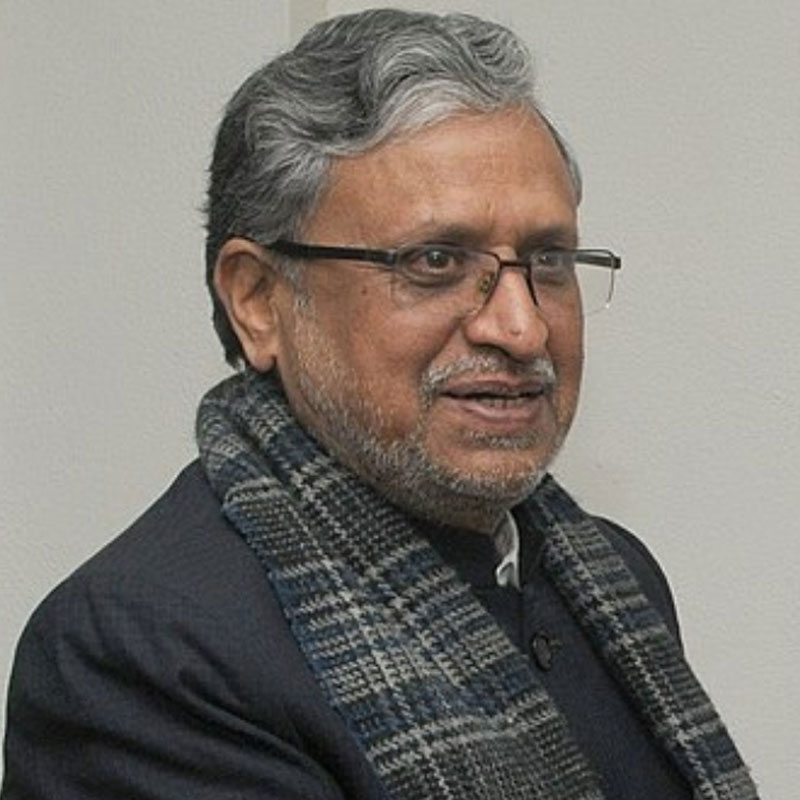
MUMBAI: The ball set rolling in Australia to make the big tech pay news publishers for their content has finally reached the Indian Parliament. Senior BJP leader Sushil Kumar Modi on Wednesday demanded in the Rajya Sabha that India should take a cue from the land down under and enact a law that would make tech giants like Facebook and Google pay local publishers for news content.
Raising the issue through a Zero Hour mention, the former deputy chief minister of Bihar said, “The government must make Google, Facebook and YouTube pay print and news channels for the news content they are using freely,” as reported by PTI. He cited the Australian Parliament’s move to pass the world’s first law last month to ensure news media businesses are fairly remunerated for the content they generate.
This comes at a time when traditional news media are facing a serious financial crunch, in part due to the Covid2019 pandemic and with a large chunk of their earnings from advertisements going to these tech giants.

“I would urge the government that the way they have notified Intermediary Guidelines and Digital Media Ethics Code to regulate social media and OTT platforms, they should enact a law on the pattern of Australian Code so that we can compel Google to share its revenue with traditional media,” stated Modi. He went on to add that India should take the lead in making them pay a fair share of their earnings from domestically produced news content on the internet to the publishers.
Significantly, in response, Rajya Sabha chairman M Venkaiah Naidu said the suggestion is “worth considering”.
Modi pointed out that the traditional print and news broadcast media, whose content is freely available on platforms run by the tech giants, are passing through their worst phase in recent history as advertisements have shifted to tech platforms. “They are in deep financial crisis. Earlier, it was because of the pandemic and now it is because of tech giants like YouTube, Facebook and Google,” he pointed out.
The traditional news media, Modi observed, makes heavy investments employing anchors, journalists and reporters who gather information, verify it and deliver credible news. But advertisement, which is their main source of revenue, has in the past few years shifted away from them with the advent of the tech giants.
“Advertising earnings are going to these tech giants [and] because of this print media, news channels are passing through a financial crisis,” he asserted, adding, “I would urge [that] we should follow a country like Australia which has taken the lead by enacting a law — News Media Bargaining Code — by which they have compelled Google to share advertisement revenue with the news media.”
Google threatened to blackout news from its portal but ultimately surrendered, the BJP leader noted. “Australia has set a precedent and now France and other European countries are making laws for advertisement revenue sharing,” Modi said.
On February 24, the Australian Parliament passed a landmark legislation mandating global digital giants like Facebook and Google to pay for local news content. This has now facilitated investment worth millions of dollars by the tech behemoths in local content deals.
It must be recalled that just last month, the Indian Newspaper Society (INS) had asked Google to compensate print publications for carrying their content online and share 85 per cent of the ad revenues.






News Broadcasting
CNN-News18 to host Fury in the Gulf conclave on West Asia crisis
Three-hour summit to unpack geopolitical fallout and impact on India
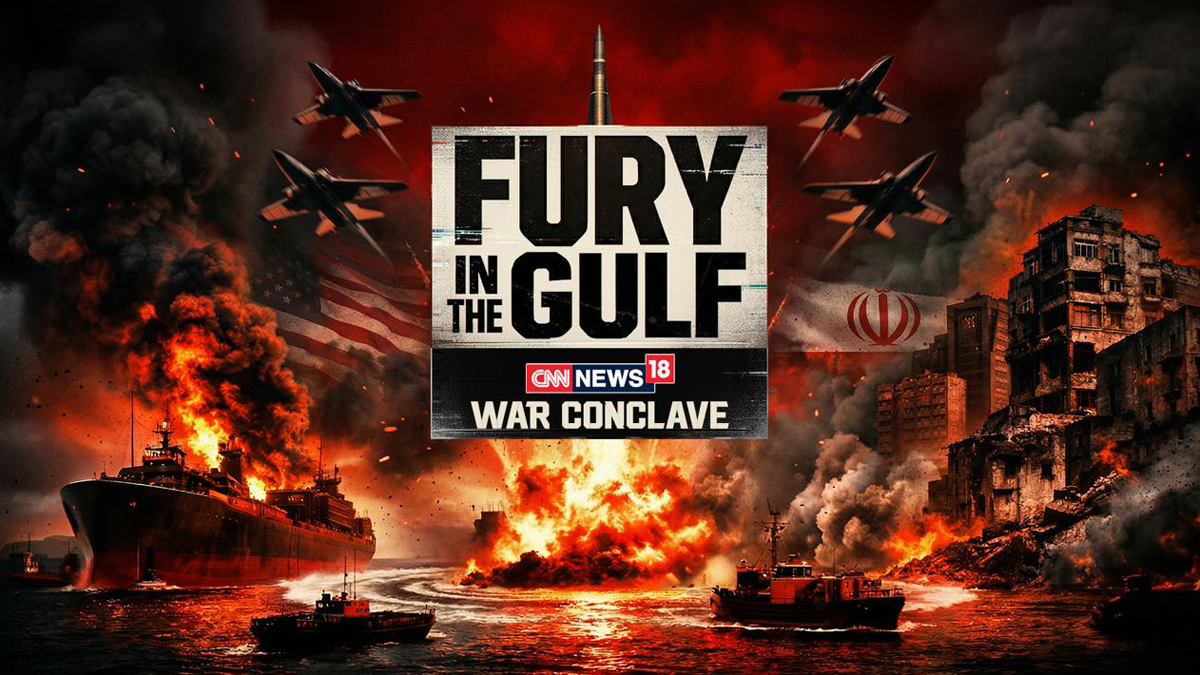
MUMBAI: CNN-News18 is set to host a special three-hour broadcast, Fury in the Gulf – War Conclave, on April 7, aiming to decode the escalating West Asia crisis and its far-reaching implications for India.
Scheduled from 4:00 PM to 7:00 PM, the conclave comes at a time when tensions between Iran and the United States are reshaping global geopolitics and triggering economic uncertainty. With India’s deep energy ties, trade links and large diaspora in the Gulf, the developments carry significant domestic relevance.
Built around the theme ‘Conflict, Consequences, and The Future,’ the programme will feature six curated sessions combining one-on-one interviews and panel discussions. The focus is to cut through the clutter and offer viewers a clearer understanding of the fast-evolving situation.
Key sessions include ‘Diplomacy in Times of War’ featuring Shashi Tharoor, and ‘World After the Iran Conflict’ with voices such as Ram Madhav, Reuven Azar, representatives from the European Union and the Iranian Deputy Envoy. Another session titled ‘Another Dunkirk?’ will bring together K. J. S. Dhillon and Jitin Prasada among others.
CNN-News18 editorial affairs director Rahul Shivshankar said, “In times of war, clarity becomes the most powerful tool. Fury in the Gulf – War Conclave brings together credible voices to address the questions and confusion that arise amid an overwhelming influx of information.”
He added that the initiative is aimed at delivering “facts, perspective, and insight” at a time when misinformation can easily cloud public understanding.
Echoing the sentiment, CNN-News18 CEO– English and business news Smriti Mehra said the conflict marks a defining global moment, with consequences that extend well beyond the region. She noted that the conclave seeks to present the crisis with “depth, nuance and responsibility” so audiences can better grasp its real-world impact.
As geopolitical tensions continue to dominate headlines, the conclave positions itself as an attempt to bring order to the noise, offering viewers a structured, insight-led look at a complex and rapidly shifting global situation.






