News Broadcasting
Elections 2014: News channels ‘Modi’fy

NEW DELHI: Even as television channels are trying to be one up on the other in the coverage of the counting process and the general election results, most channels reflected a common perception:that the results were individual-based and not party-based.
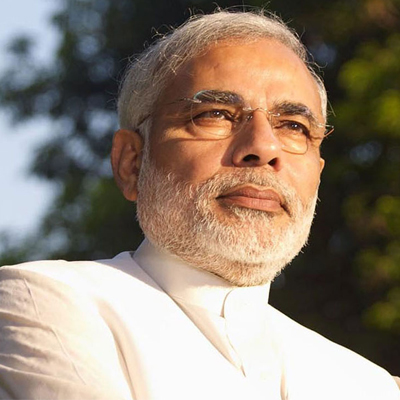
In fact, most channels had the faces of Narendra Modi when showing the results of the Bharatiya Janata Party (BJP), that of Rahul Gandhi when showing the fate of the Indian National Congress (INC), of Arvind Kejriwal when reflecting how the Aam Aadmi Party (AAP) was doing, and so on. The party symbols of these parties were curiously missing from the studio reportage, even as these appeared during the live coverages from all over the country.
Doordarshan News expectedly was the most sober in its coverage even as it was a little behind the other channels in showing the trends or results, but surprisingly even Times Now appeared to move a bit slowly with the trends and results even as it succeeded in getting a large number of panelists and politicians on board throughout the day.

Even Lok Sabha TV (LSTV) and Rajya Sabha TV (RSTV) joined the fray for the first time to show the results. However, while LSTV confined itself to showing figures taken from Doordarshan accompanied by a live panel discussion, RSTV had live coverages from different parts of the country in collaboration with DD.
Clearly, NDTV 24×7 and ABP News captured a large number of eyeballs with their graphic presentations. NDTV 24×7 showed graphic presentation of the Lok Sabha, with a majority of seats occupied with yellow-coloured figures representing the BJP, and the numbers changed as the trends and results emerged.
Aaj Tak had moving caricatures of Modi, Gandhi and Kejriwal reflecting the fate of their respective party, with Modi dancing with joy, Gandhi brow in frustration, and Kejriwal looking crestfallen in place of the party symbols.
Interestingly the poll figures remained on screen even during the commercial breaks, reflecting the interest of the viewer.
As expected the presentations on the main news channels were led by their heads including Prannoy Roy of NDTV, Arnab Goswami of Times Now, and Rajdeep Sardesai of CNN-IBN.
One common repeat throughout the day on all channels were the shots of Modi meeting and taking the blessings of his aged mother after his Vadodara victory and the run of the party for which he is the Prime Ministerial candidate.
While Times Now appeared very cluttered with too many figures running simultaneously along with several visuals at the same time, channels like Zee News, ABP News, NDTV 24X7, P7, India News, CNN-IBN and NewsX caught the eye with their graphics and presentation.
The interest in the Indian elections overseas was reflected by BBC Global News, as it went live several times during the day and had a live translation of all press meets being addressed in Hindi. CNN in comparison showed little interest as it only mentioned the results or trends from time to time.
Clearly, all the channels were out to outdo each other as far as presentation was concerned vis-a-vis live graphics and coverage, and some like Times Now, ABP News, CNN-IBN and NDTV 24X7 catching the eye with their sets, with ABP News and NDTV 24X7 being most innovative.
But it was clear that all the channels probably spent much more than the budgets initially earmarked by them for today. An earlier report had said that the channels had put aside Rs 1 crore to Rs 1.5 crore for the day, but one reporter of a channel told indiantelevision.com that the amount would go higher.
Certain common points of discussion emerged throughout the day: was it the victory of Modi, the BJP workers or the RSS (an issue raised by both LK Advani and Sushma Swaraj during the day); will Rahul resign, accepting responsibility; did the allies matter since the BJP had emerged strongly on its own; was this high vote for BJP a rejection of many that it was a communal party; whether BJP leader Giriraj Singh who had made some very damaging statements should be removed from the party; why Sonia and Rahul Gandhi did not take questions and just made statements (Rahul was ready to face question, but left on Sonia’s gesture); and why were Dr Manmohan Singh and Arjun Kejriwal conspicuously missing. Advani and Sushma Swaraj’s attribution of the victory to BJP workers and the Rashtriya Swayam Sevak Sangh; and the virtually plastic smile on the face of Rahul also made for a lot of talk on TV channels and social media.
But apart from the TV channels and even All India Radio including FM Gold which went live from 8:30 am in the morning, the social media was as active. While live coverage by way of latest figures appeared on sites like yahoo.in, Twitter was very active and was quoted throughout the day by TV channels whenever any personality including Modi and LK Advani sent tweets.
Several interesting cartoons came on the internet, particularly Facebook, from individuals. One had a cartoon of Rahul Gandhi’s smiling face with the use of a BJP slogan: ‘Acchey din aaney waley hain, hum naani ke ghar jaane waaley hain’ (Good days are coming, we will go to our grandmother’s house) while another had a poster of ‘Dabbang 3’ with the photo of Modi. Some wanted to know if the victory of the film personalities was that of the individuals or the party they represented.
Even as the results started coming in the afternoon, the focus shifted entirely to the major personalities in the fray. And it will be interesting to note the conjectures of the channels about possible portfolios, particularly since most TV channels had got the exit polls right by predicting the victory of BJP.





News Broadcasting
CNN-News18 rolls out Battle for the States ahead of key polls
Multi-format election coverage tracks voter mood across five battleground states
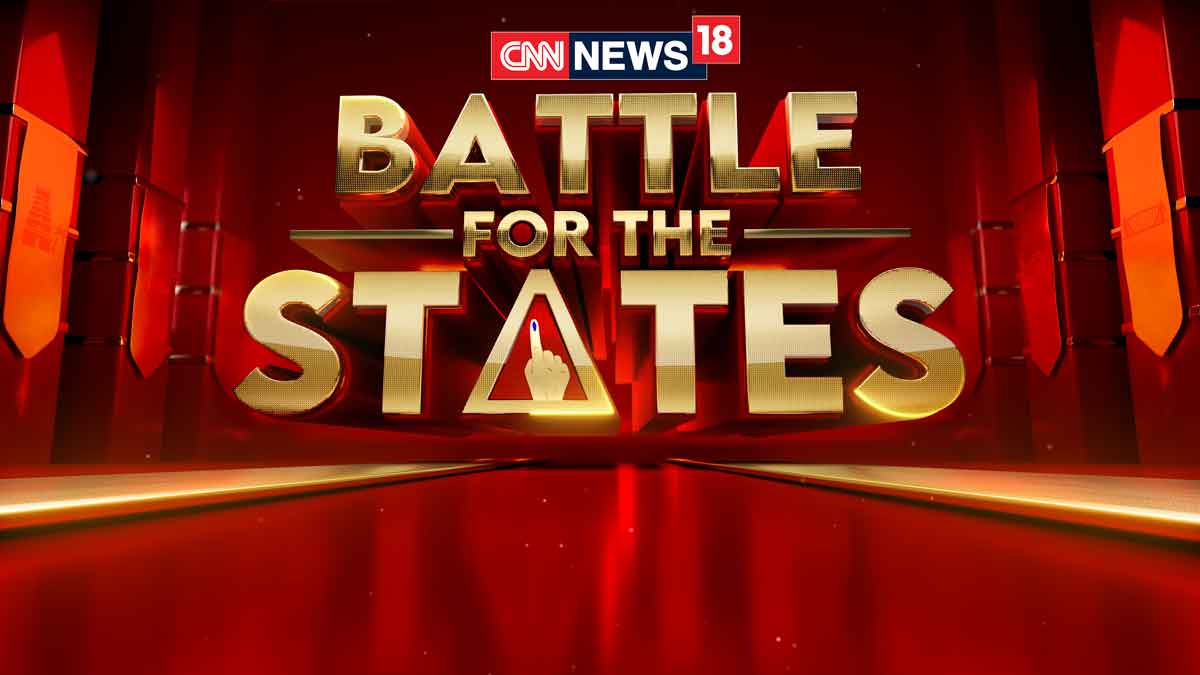
NEW DELHI: CNN-News18 has launched a special election programming initiative titled Battle for the States, as India gears up for high-stakes Assembly elections across West Bengal, Tamil Nadu, Kerala, Assam and Puducherry.
Built around the theme ‘Road to Power’, the multi-format coverage aims to follow the entire electoral journey, from campaigning and polling to results and government formation. The network is leaning into on-ground reportage and data-backed storytelling to decode voter sentiment across regions where local issues often shape the narrative.
The programming line-up includes ‘Vote Tracker’, a three-part series developed in collaboration with survey agency Vote Vibe. The show blends survey insights with expert commentary and field reporting, using augmented reality graphics to present complex electoral data such as vote share, seat projections and leadership preferences in a more accessible format. It will air every Monday evening until April 6.
Adding a cultural lens to political reporting is ‘So Saree!’, a ground-driven segment where women anchors travel across constituencies dressed in traditional handwoven sarees from each state. The format uses attire as a storytelling device, highlighting regional identity while capturing grassroots voices.
Meanwhile, ‘Unfiltered Kaapi’ and ‘Chai-Niti’ bring a more conversational tone, drawing inspiration from everyday political discussions in tea stalls and coffee corners. These segments aim to break down key issues through candid, fast-paced exchanges between anchors and reporters, tailored to regional sensibilities.
For viewers seeking deeper insights, the weekend docuseries ‘Reporters Project’ takes a longer view, with correspondents travelling across constituencies to map voter concerns and political shifts on the ground.
“Elections are about people, their aspirations, identities and the issues that matter to them, and every state tells a different story,” said CNN-News18 editorial affairs director Rahul Shivshankar. He added that the initiative focuses on understanding “the sentiment on the ground and what’s driving voter choices”.
Echoing the emphasis on credibility, Network18 CEO – English and business news Smriti Mehra said the network aims to combine on-ground reporting with data-led insights to deliver clear and timely coverage as the elections unfold.
With a mix of data, culture and grassroots reporting, CNN-News18 is positioning Battle for the States as a comprehensive window into one of India’s most closely watched electoral cycles, where every vote carries a story waiting to be told.