Cable TV
Dual LCN helping consumers, says KCCL’s Shaji Mathews

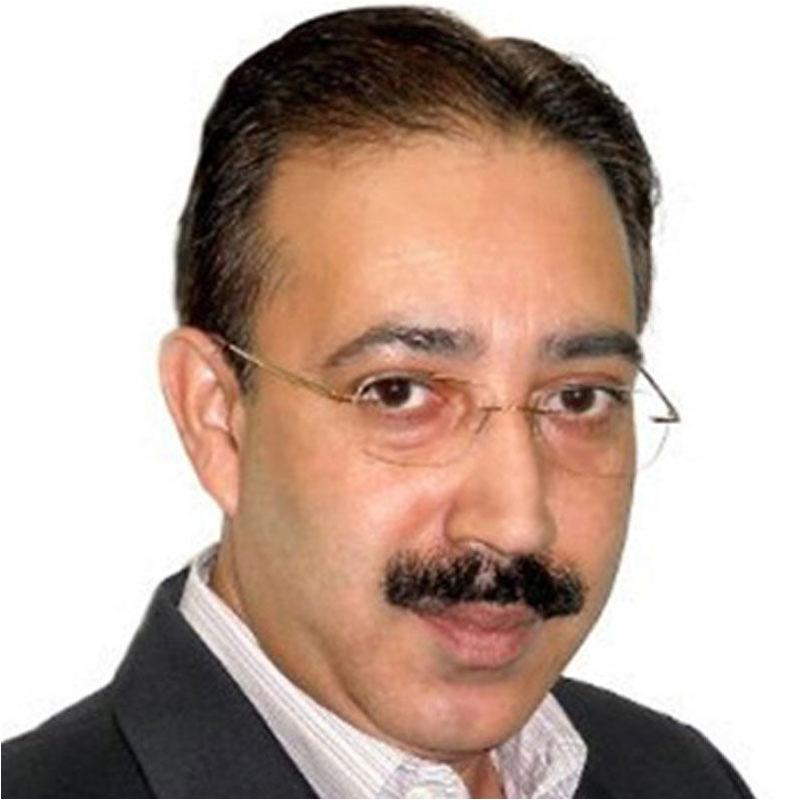
MUMBAI: Kerala Communicators Cable Ltd (KCCL) CEO Shaji Mathews believes dual local channel numbers (LCN) is helping consumers and that its fate should be left to the market.
2017 saw many channels, especially news broadcasters, raising the issue of channels broadcasting themselves on two LCNs thus creating biased ratings in their favour. Their contention was that the channel gets overarching visibility for viewers. “I don’t see any problem in dual LCN and why the government is restricting dual LCN. They need to rectify the rating system if they see some issues in the rating of a channel. Dual LCN is helping the consumer and we should leave it to the market to decide,” Mathews told Indiantelevision.com in an interaction.
The structure of the Indian cable and satellite TV distribution market is evolving, led by digitisation of cable network mandated by the government. The Kerala cable industry has benefitted from the digitisation process with over 5000 cable operators and 50 lakh active subscribers.

KCCL is an initiative of independent cable TV operators in Kerala under the guidance of Cable Operators Association (COA). COA is an umbrella union of local cable operators all over Kerala. KCCL has around 25 lakh active subscribers according to Mathews. The digitisation in the state was complete in March 2017.
“In Kerala, the majority of the market is with KCCL and Asianet Cable. Apart from this, there are about a dozen small cable operators. The size of the state’s cable industry is around Rs 100 crore,” says Mathews.
Mathews shares that the overall revenue has gone up because pay subscribers have increased. “The ARPU (average revenue per user) remains the same after the shift to digital from analogue, which is below Rs 200 in Kerala,” Mathews reveals.
He says that small cable operators didn’t complete the digitisation on time because of various reasons such as non-availability of STBs and expecting the dates to be postponed.
For KCCL’s first project-Kerala Vision Channel-raised a share capital of Rs 1.5 crore in 2006. The channel today covers 20 lakh homes in Kerala. Now its share capital is enhanced to Rs 10 crore with the approval of Registrar of Companies, SEBI and other government authorities. The capital outlay for the second major project is Rs 8.5 crore, 50 per cent of which has already been raised from the existing shareholders.
There is already a cumulative investment of Rs 500 crore in the cable TV industry in the form of equipment, networking, studios and other infrastructure owned by individual cable TV operators all over the state with a consolidated turnover of Rs 250 crore per annum.
Mathews lashed out at broadcasters who indulge in discriminative pricing. “To keep the competition going, the big broadcasters give their channel feeds to small operators for very low rates which forces us to negotiate and accept their terms and conditions.”
The Telecom Regulatory Authority of India (TRAI) had clarified that a channel can only be present at one LCN number and the landing page would be considered as a separate one which is not allowed and TRAI has the right to investigate and take action.






Cable TV
Hathway Cable appoints Gurjeev Singh Kapoor as CEO
Leadership change comes as cable TV faces shrinking subscriber base and modest earnings pressure
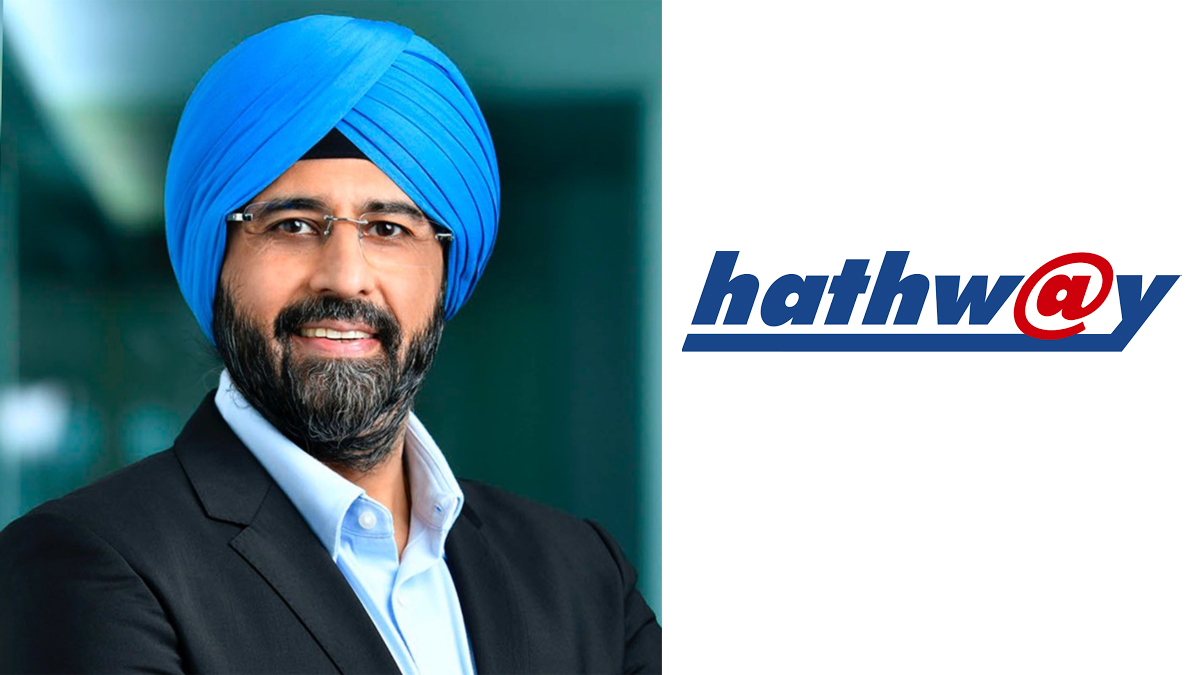
MUMBAI: Hathway Cable and Datacom has tapped industry veteran Gurjeev Singh Kapoor as chief executive officer, marking a leadership pivot at a time when India’s cable television business is under mounting strain.
Kapoor will take over from Tavinderjit Singh Panesar, who is set to retire in August after a long innings with the company. Panesar, chief executive since 2023, has held multiple leadership roles at Hathway, including his latest stint beginning in 2022.
Kapoor brings more than three decades of experience in media and entertainment. He most recently led distribution at The Walt Disney Company’s Star India business, now part of JioStar. His career spans television distribution and affiliate partnerships, with stints at Sony Pictures Networks India, Discovery Communications and Zee Entertainment.
Panesar, with over three decades in the industry, has worked across strategic planning, distribution and business development in media, broadcasting and manufacturing. His past associations include ESPN Star Sports, Star India, Apollo Tyres and JK Industries.
The transition lands as the cable sector grapples with structural disruption. Traditional operators are losing ground to streaming platforms, while telecom and broadband players tighten the squeeze with bundled offerings.
An EY report estimates India’s pay-TV base could shrink by a further 30 to 40 million households by 2030, taking the total down to 71 to 81 million. The slide follows a loss of nearly 40 million homes between 2018 and 2024, a contraction that has already wiped out more than 37,000 jobs in the local cable operator ecosystem.
Hathway’s numbers reflect the strain. The company reported a consolidated net profit of Rs 93 crore for FY25, down from Rs 99 crore a year earlier. Revenue inched up to Rs 2,040 crore from Rs 1,981 crore. As of December 2025, it had about 4.7 million cable TV subscribers and roughly 1.02 million broadband users.
Kapoor steps in with a familiar brief but a shrinking playbook. In a market where viewers are cutting cords faster than companies can reinvent them, the new chief executive inherits a business fighting to stay plugged in.







