News Broadcasting
Doordarshan is to run a special news bulletin titled ‘Ram Ki Paidi’


Mumbai: Meticulous arrangements are being made for the smooth and successful conduct of the consecration ceremony of the Shri Ram temple in Ayodhya Dham, being held on 22 January 2024. Prime Minister Shri Narendra Modi will perform the ‘Pran Pratishtha’ as per prescribed rituals. It is expected that more than 8,000 guests will visit the temple on this day, followed by lakhs of devotees from 23 January onwards.
Live Telecast
Elaborate arrangements have been made for a LIVE telecast of the ceremony. The entire event would be live-telecast in 4K quality by Doordarshan, on DD News and DD National channels. On 23 January 2024, Doordarshan will do a LIVE telecast of Aarti and the Opening of Shree Ram Temple for the public.

Doordarshan shall share the clean feed of the event in Ayodhya on 22 January 2024 with ANI TV and PTI Video. All TV channels which are subscribers to the agency can obtain feed from there.
For other National and International broadcasters, a YouTube link with a key to a clean feed will be generated. This link will be shared with the concerned broadcasters upon their request. In order to obtain the YouTube link, domestic broadcasters may place their request with the Press Information Bureau. International TV Channels would need to place their request directly with Prasar Bharati. Contact details are available in the PIB Media Advisory, which can be accessed here.
Channels also have the option of patching to DD News, in case a clean feed is not required. Courtesy may be given to Doordarshan in this case. PIB will issue photographs and press releases of the event, in English, Hindi, and Indian state languages.
Ayodhya Media Centre
A Media Centre is being set up at Ram Katha Sangrahalay in Ayodhya with limited capacity, where large LED TVs will be set up to facilitate viewing of the telecast. The Media Centre will be equipped with a Wi-Fi facility for media persons to file their stories.
Portal for Media Passes
The media organizations desirous of covering the event from Ayodhya may apply through PIB’s centralized portal, latest by 6 p.m., 17 January 2024; based on which security passes will be issued, through state administration. The portal can be accessed here.
Special Programmes by Doordarshan
Besides the live telecasts, Doordarshan is running a Special News Bulletin titled Ram Ki Paidi (राम की पैडी)) during 1 January – 15, 2024. From 5 P.M. -8 P.M., there will be a special live programme titled “श्री राम अयोध्या आये हैं” (Shri Ram Ayodhya Aaye Hain) which will include daily Ayodhya round-up, guest discussions, special stories, and vox-pop.
Health Facilities
Efforts are being made to make information on medical care facilities at Ayodhya available on the website of the local administration in Ayodhya and the Ram Janmabhoomi Trust, in order to facilitate people in getting adequate medical assistance. A team has been sent from JPNA Trauma Centre, AIIMS, New Delhi to impart training to around 200 health workers in Ayodhya from January 12 – 15, 2024.
The government of India is likely to establish a Bhishm Emergency Response facility at Ayodhya during the Pran Pratishta ceremony and allied programmes.






News Broadcasting
Kamlesh Singh receives Haldi Ghati Award from MMCF
India Today Group editor honoured for three decades of journalism at Udaipur ceremony.
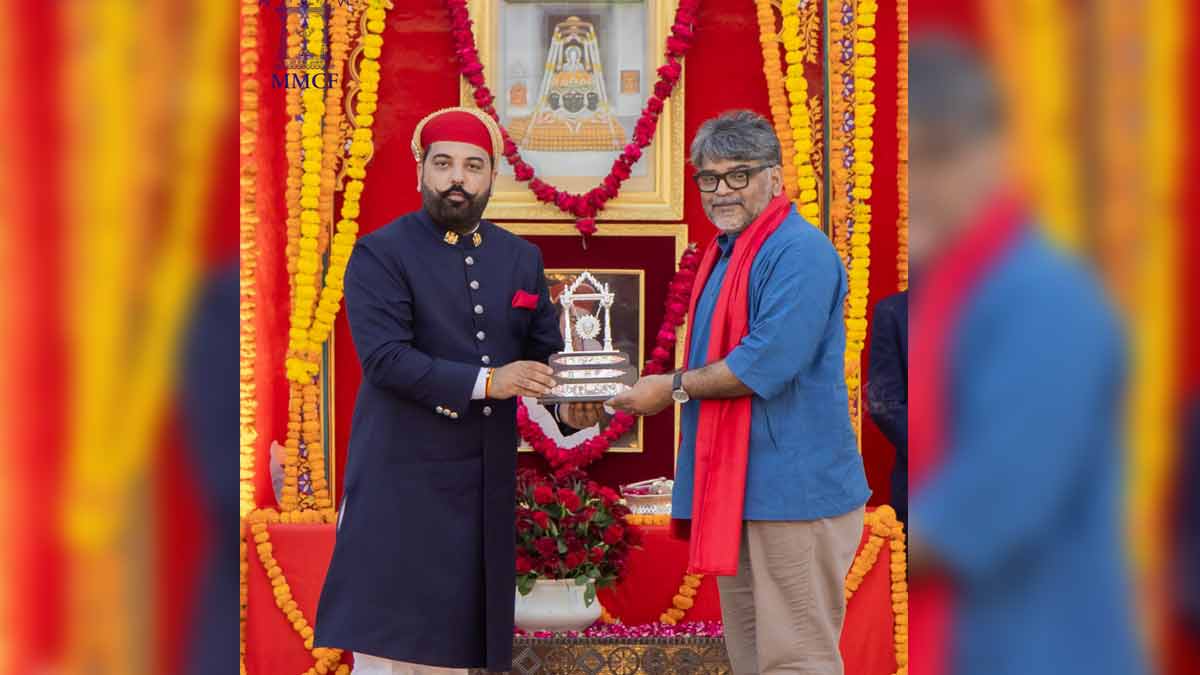
MUMBAI- Kamlesh Singh just turned a lifetime of sharp words into a shiny shield because when journalism wakes up a society, even the Maharana of Mewar wants to pin a medal on it.
The Maharana of Mewar Charitable Foundation (MMCF) conferred its prestigious Haldi Ghati Award on Kamlesh Singh, a senior editor at the India Today Group, during a ceremony in Udaipur on 15 March 2026. The national award, instituted in 1981-82, recognises “work of permanent value that initiates an awakening in society through the medium of journalism.”
Singh, who leads several editorial initiatives including Aaj Tak Radio, the Teen Taal community and The Lallantop, was presented the honour by Lakshyaraj Singh Mewar, Managing Trustee of MMCF. The citation highlighted his three decades of contributions to Indian media, innovations in digital journalism, mentoring young reporters, and his popular podcast persona “Tau” on Teen Taal, which fosters thoughtful public discourse.
The Haldi Ghati Award, named after the historic Battle of Haldighati symbolising valour and resilience, is one of four national awards given annually by MMCF. Past recipients include Tavleen Singh, Piyush Pandey and Raj Chengappa.
Other honourees this year included Padma Vibhushan Pt Hari Prasad Chaurasia, Vedamurti Devvrat Rekhe, Treeman of India Marimuthu Yoganathan, Vir Chakra Capt Rizwan Malik, and US-based researcher Molly Emma Aitken, who received the Colonel James Tod Award for contributions to understanding Mewar’s spirit and values.
In an era where headlines often shout louder than substance, the MMCF quietly reminded everyone that real journalism isn’t about noise, it’s about the quiet, persistent work that stirs society awake, one thoughtful story at a time.







