GECs
Dolby Institute’s sound designing techniques to help broadcasters

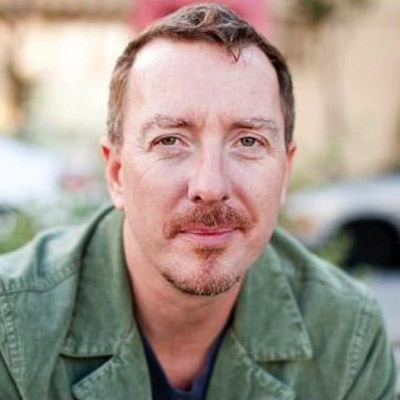
MUMBAI: A movie experience is usually about compelling video effects that has the power to blow one’s mind away. But have you ever paid attention to the sound of an aeroplane crashing into a building or a fast moving car bashing against another one. The effort that a sound designer puts into layering sounds and making it sound real is hardly ever recognised.
In order to create more awareness about sound designing, two renowned sound designers from the US are undertaking a unique teaching model along with Dolby Laboratories. The Dolby Institute, created over a year ago, is a non physical place that aims to reach out to producers and writers both professional and budding. As part of this training, Dolby Institute director Glenn Kiser and supervising sound editor Steven Cahill are traveling to various countries.
Currently amazed with the Indian culture as they tour film schools and broadcasters, the duo are trying to spread the word about the opportunities sound designing can provide to film and TV. In its India leg, they are meeting students at FTII and Whistling Woods as well as providing insights to broadcasters such as Star India, Viacom18, Epic TV, Zee Network etc. “We are presenting case studies where sound was used creatively to enhance quality. The idea is to bring rich experience from outside to India,” says Kiser.

While students get an introduction into the sector, broadcasters will learn the aesthetics and nuances of the technique. This apart, the Dolby Institute has tied up with the Sundance Film Festival to provide aid to low budget movie producers who have the idea but not the technique to execute it.
According to them, VFX has made its mark as to how fulfilling it is for storytelling and the institute’s hope is to get sound designing to the same level. However, while sound has been created in 3D for nearly five decades, it is actually picture that has taken time to change from SD to HD.
It was in the 1990s when sound became an important aspect of storytelling but in India it is only now that some directors have started giving it a thought. “Between Indian personality driven stories and music being so overly thought of before, the chances are that they would be less apt of sound driving at the moment,” says Cahill.
The four day workshop will demonstrate how to use sound as a budget saving device as well as script writing and directing with sound in mind. “The entire sound budget of a film could be less than five VFX shots,” says Cahill adding that it constituted just 1 per cent of the budget of blockbuster Avatar.
In the American television scenario, a lot of film directors shifted to TV in the 1990s, primarily due to HBO, bringing along with them their teams and sophistication. “The technology and aesthetics of a film director made an immersive experience on both broadcast as well as OTT,” says Kiser naming NCIS, True Detective, House of Cards, 24 and Game of Thrones as examples of fantastic sound designing.
Action, thriller and horror lend themselves as most apt for good sound designing. Kiser adds that it is also possible to alter sounds so that the viewer can experience it from the character’s point of view. With lesser processes and people, sound can have the same narrative impact as visuals, he says. This was adapted by Pixar in its animated movies where they built a whole realistic audio world that could be experienced with closed eyes.
However, the challenge that sound designers face is about being the last in the chain of processes. “The best ones were where the scriptwriter and sound designer would collaborate to imagine the sound while the script was made,” says Kiser. Usually, sound is added once the entire film is cut so the options are limited. He adds that scenes have to be thought of by the director and executed by the sound designer.
Nowadays, too little time is allotted for post production, so this crucial part gets pushed to the end. “If you don’t give sound its full due, it’s only 50 per cent good because you aren’t giving it even 50 per cent of the time or talent,” says Cahill.
The duo seem to be elated with the response they have been receiving from India and will be looking forward to return and check some of the students’ projects to provide tips and criticism.





GECs
ZEEL overhauls sales structure to chase growth across TV and digital platforms
New structure sharpens digital push as viewing habits fragment fast

MUMBAI: Zee Entertainment Enterprises Ltd. is reshuffling its sales playbook as it looks to keep pace with a fast-changing media landscape, where audiences are scattered, screens are multiplying and advertisers are following the data.
According to media reports, the rejig is anchored in the company’s push to build a more integrated, data-led monetisation engine, one that can straddle both traditional television and fast-growing digital platforms with equal ease.
At the heart of the move is a reworked sales architecture designed to deliver cross-platform solutions. With connected TV gaining ground and digital consumption surging, ZEEL is aligning its teams to move quicker, think broader and sell smarter.
The restructuring is being led by chief operating officer, advertisement revenue, Sandeep Mehrotra, at a time when the company says it is seeing tremendous growth. The idea is simple: match the right talent to the right opportunity in a market that is anything but static.
As part of the overhaul, several long-serving executives have been elevated to chief sales officer roles across regions and content clusters. Sanjoy Chatterjee will head the east market, while Gunjarav Nayak takes charge of the west along with high-margin verticals such as hmg, brand works, intellectual properties and digital sales. Rajnish Gupta will oversee bengaluru and chennai markets alongside the kannada and tamil clusters.
In other key moves, Divjyot Dhanda will lead hyderabad and kochi markets and manage zee tv, zee keralam and the telugu cluster. Roshan Vasu Kotian will supervise a diverse portfolio including Zee Marathi, &tv, Zee Punjabi, Zee Anmol, Big Magic and Zee Biskope.
The company is also strengthening its bench, appointing national sales heads across retail, regional clusters, digital and brand solutions. Ankur Kapila’s appointment to lead digital sales signals a sharper push into a segment that continues to outpace traditional formats.
Behind the scenes, dedicated strategy and operations roles have been carved out for both linear and digital businesses. Nitin Shetty, Rajkiran Shrivastav and Priya Nambiar will take on key responsibilities to ensure the new structure runs with precision.
The broader aim is clear. ZEEL wants a bigger slice of advertising budgets that are steadily drifting towards digital and connected TV ecosystems. By integrating its offerings, the company hopes to deepen client relationships while unlocking new revenue streams.
The new structure takes effect immediately, with Mehrotra continuing to report to chief executive officer Punit Goenka and steer the company’s advertising revenue strategy. Senior executive Laxmi Shetty will support the transition, with her revised role expected to be announced soon.
In a market where content is everywhere but attention is scarce, ZEEL’s latest move is less about rearranging the org chart and more about staying in the game.








