Hollywood
Documentary on Francois Truffaut’s ‘Cinema according to Hitchcock’ to be produced

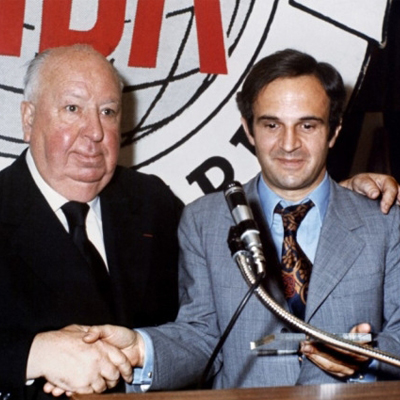
NEW DELHI: A feature documentary is set to be produced based on the recordings that led to fame of filmmaker Francois Truffaut’s internationally acclaimed 1966 book ‘Cinema according to Hitchcock.’
Cohen Media Group, Artline Films and Arte have partnered to produce Hitchcock/Truffaut, to be directed by Kent Jones (A Letter to Elia, Director of the New York Film Festival) and co-written by Jones and Serge Toubiana (Director of Cinematheque Francaise). An American-French co-production, it will be released in the spring of 2015. Cohen Media Group will handle world-wide sales.

The film will journey through the extensive series of conversations between master filmmaker of mystery and horror films Alfred Hitchcock and Truffaut, illustrating their love for filmmaking and demonstrating their impact on modern world cinema.
Legendary scenes from Hitchcock’s films intercut with comment and opinion from contemporary filmmakers will reinforce his iconic stature as one of the most influential directors of our time.
“For me, in many ways, cinema began with Francois Truffaut’s book about Alfred Hitchcock,” said Jones. “For me, and for many others, the book was more than formative – it was essential and direct. I was so excited when I was offered the chance to make this film, an inquiry into the adventure and excitement of directing films, of translating felt emotions into moving images.”
Since its publication, the book has been dubbed the “Bible of cinema” by many international filmmakers. The film will feature interviews and accounts from some of the most prominent and influential directors in the world of cinema including Martin Scorsese, Steven Spielberg, James Gray, Brian De Palma, Wes Anderson, Richard Linklater, Luc and Jean-Pierre Dardenne, Olivier Assayas, Arnaud Desplechin and David Fincher. These directors will share how “Hitchcock/Truffaut” shaped their careers, transformed cinema and introduced the French New Wave and “New Hollywood” to the world.
Segments from the 1962 original recordings between the two filmmakers will also feature, allowing audiences to hear candid discussions between Hitchcock and Truffaut and to witness, first- hand, this quintessential moment in cinematic history.



Hollywood
Paramount eyes $24bn Gulf support to fund Warner Bros Discovery merger: Reports
Sovereign funds line up funding as media giants chase streaming scale
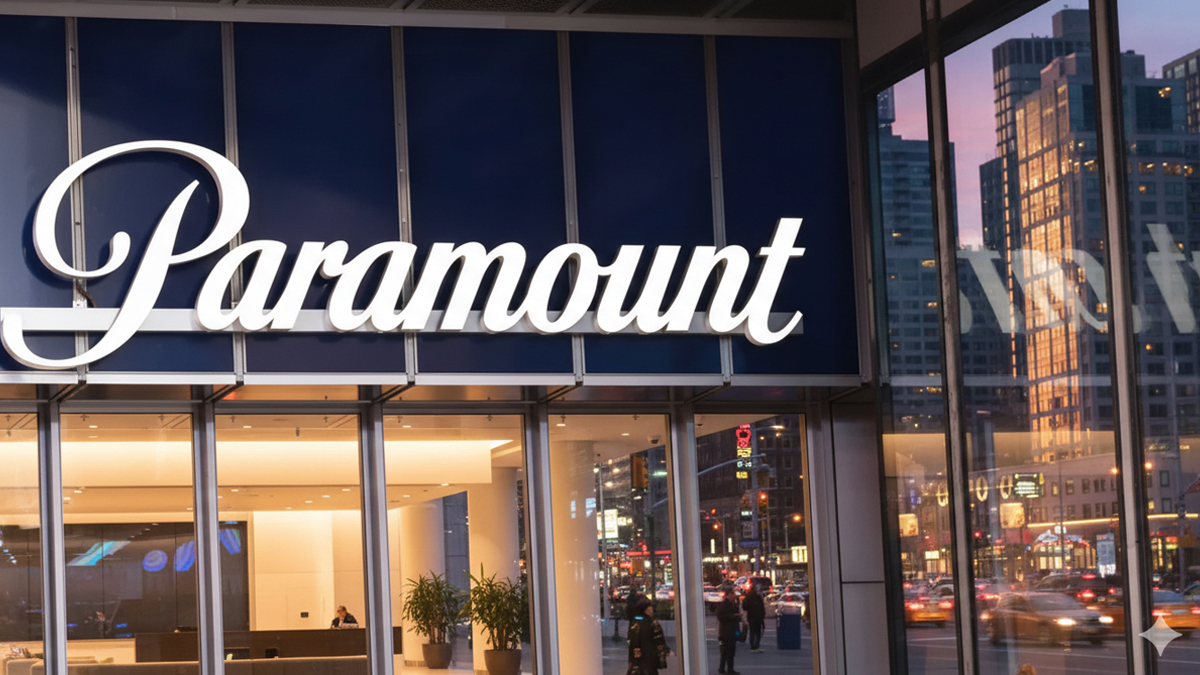
NEW YORK: Paramount Skydance is in talks to secure nearly $24 billion in equity commitments from Gulf sovereign wealth funds to support its planned takeover of Warner Bros. Discovery, according to a WSJ report.
The funding push comes as Paramount Skydance advances its proposed $110 billion deal for Warner Bros. Discovery, which carries an equity valuation of $81 billion and is expected to close in the third quarter of 2026.
At the heart of the financing plan are three major Gulf investors. Saudi Arabia’s Public Investment Fund is expected to contribute roughly $10 billion, while the Qatar Investment Authority and Abu Dhabi-based L’imad Holding are likely to make up the remainder.
Crucially, the proposed investments are structured as non-voting stakes. This means the Gulf backers would not have direct control in the combined entity, a move designed to ease regulatory concerns in the United States. Paramount executives reportedly do not expect the deal to trigger scrutiny from bodies such as the Committee on Foreign Investment in the United States or the Federal Communications Commission.
If completed, the merger would bring together a formidable portfolio of entertainment and news assets, including CNN and CBS. The combined entity aims to better compete in a fast-evolving media landscape where streaming platforms are steadily pulling audiences away from traditional television.
The deal reflects a broader shift in global media, where scale is increasingly seen as essential to survive the streaming wars. By pooling content libraries, technology and distribution, Paramount Skydance and Warner Bros. Discovery are betting on size and synergy to drive future growth.
The involvement of deep-pocketed Gulf investors also underscores the growing role of sovereign wealth in shaping global media consolidation, particularly at a time when high-value deals demand equally large financial backing.
With shareholder votes and regulatory milestones still ahead, the proposed tie-up remains one of the most closely watched media deals of the year. If it clears the final hurdles, it could redraw the competitive map of the global entertainment industry.






