GECs
Digital is pushing other mediums towards accountability


NEW DELHI: In the post-Covid2019 world, measuring the efficacy of advertising spends will become even more critical for companies as they navigate their recovery given the significant pressure of their cash flows and liquidity positions. How can the various M&E segments respond to these enhanced requirements on attribution? How can measurement become timelier and more precise for brands? Addressing these questions at the 21st edition of FICCI Frames, industry members discussed the ‘Attribution at the forefront of the conversation.’
GroupM South Asia president growth and transformation Tushar Vyas asserted, “We always say that half of the advertising is wasted but we don’t know which half, it’s a problem which keeps resurfacing in a new avatar even in the digital area. One of the reasons is because of the complexities associated with this area. There are issues like brand safety, ad frauds and many markets don’t have a set of common measurement across the various channel of mediums, even tonnes of data are making it more complex."
This year’s FICCI report released in March stated that in 2019, advertising grew by Rs 4000 crore but Rs 3700 crore were spent on digital and new media while the growth in traditional media was only Rs 300 crore.

BARC CEO Sunil Lulla shared that the pandemic has shifted the consumption pattern of content across mediums. He said, “I don’t think ROI has always been less important perhaps but what we have today is better measurability than ten years ago. We are still not there where a market has a unified independent measure, like on TV there is an independent measure, on digital, there are many digital providers.”
“There used to be conversation on digital vs television but the consumer is shifting from one screen to another. In the pandemic, we have seen a steep rise in TV consumption in certain categories such as kids, news and movies. As there was no original content, people started watching repeated content and Doordarshan became the no.1 channel after 1986, and digital was moving in parallel. TV is equally important that’s why July has the same volume as in January. TV is good for building brands, it’s good for targetting an entire family and digital is good for sharp targetting,” he added.
Due to Covid2019 print and radio took a much bigger hit. “I believe when the economy opens up fully, we could see all these mediums working in a better partnership that can be a big outcome from this period,” Lulla opined.
The panellists echoed that due to Covid2019 there are higher chances of brands shifting their spends to the digital landscape.
Vyas said, “Advertisers are going to follow where the consumers are going. It’s all about building an entire connected environment where you’re linking the consumer to commerce. The focus is shifted more from output to outcome now. Earlier the conversation was about reach and frequency which is now moving to a different level. The conversation today is more about what it is going to do to my business or brand. That’s the change which digital is bringing, which is resulting in that kind of accountability from other mediums as well.”
Vyas stressed that it’s important to build a first-party data ecosystem and knowing the consumer in-depth from their perspective.
“As an industry, we need to work together on how we report and agree on the metrics. We need some common practices to build these measurements, and then agree to the standardisation of data, and as time goes by, AI and MI can supplement these data,” he said.
He also said that agencies will always require the TV medium. Said Vyas: “Parties can’t do without TV because it’s the entertainment and information medium of the household and digital is for the individual.”




GECs
ZEEL overhauls sales structure to chase growth across TV and digital platforms
New structure sharpens digital push as viewing habits fragment fast
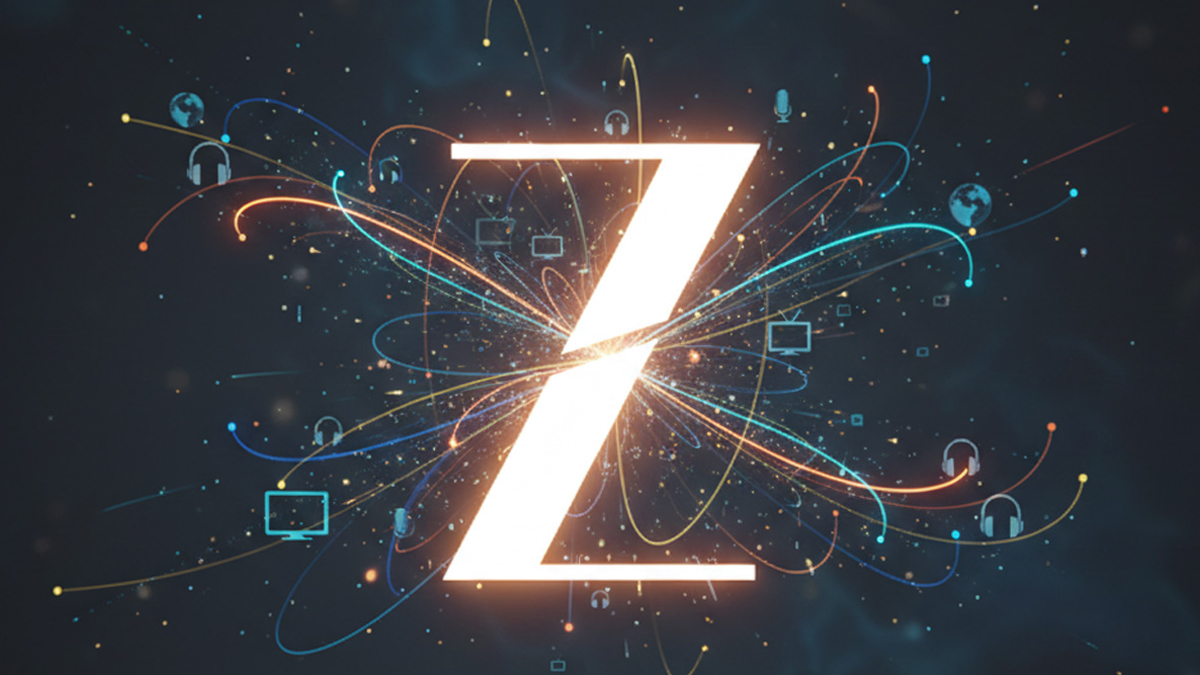
MUMBAI: Zee Entertainment Enterprises Ltd. is reshuffling its sales playbook as it looks to keep pace with a fast-changing media landscape, where audiences are scattered, screens are multiplying and advertisers are following the data.
According to media reports, the rejig is anchored in the company’s push to build a more integrated, data-led monetisation engine, one that can straddle both traditional television and fast-growing digital platforms with equal ease.
At the heart of the move is a reworked sales architecture designed to deliver cross-platform solutions. With connected TV gaining ground and digital consumption surging, ZEEL is aligning its teams to move quicker, think broader and sell smarter.
The restructuring is being led by chief operating officer, advertisement revenue, Sandeep Mehrotra, at a time when the company says it is seeing tremendous growth. The idea is simple: match the right talent to the right opportunity in a market that is anything but static.
As part of the overhaul, several long-serving executives have been elevated to chief sales officer roles across regions and content clusters. Sanjoy Chatterjee will head the east market, while Gunjarav Nayak takes charge of the west along with high-margin verticals such as hmg, brand works, intellectual properties and digital sales. Rajnish Gupta will oversee bengaluru and chennai markets alongside the kannada and tamil clusters.
In other key moves, Divjyot Dhanda will lead hyderabad and kochi markets and manage zee tv, zee keralam and the telugu cluster. Roshan Vasu Kotian will supervise a diverse portfolio including Zee Marathi, &tv, Zee Punjabi, Zee Anmol, Big Magic and Zee Biskope.
The company is also strengthening its bench, appointing national sales heads across retail, regional clusters, digital and brand solutions. Ankur Kapila’s appointment to lead digital sales signals a sharper push into a segment that continues to outpace traditional formats.
Behind the scenes, dedicated strategy and operations roles have been carved out for both linear and digital businesses. Nitin Shetty, Rajkiran Shrivastav and Priya Nambiar will take on key responsibilities to ensure the new structure runs with precision.
The broader aim is clear. ZEEL wants a bigger slice of advertising budgets that are steadily drifting towards digital and connected TV ecosystems. By integrating its offerings, the company hopes to deepen client relationships while unlocking new revenue streams.
The new structure takes effect immediately, with Mehrotra continuing to report to chief executive officer Punit Goenka and steer the company’s advertising revenue strategy. Senior executive Laxmi Shetty will support the transition, with her revised role expected to be announced soon.
In a market where content is everywhere but attention is scarce, ZEEL’s latest move is less about rearranging the org chart and more about staying in the game.








