News Broadcasting
DD invites proposals for festival extravaganza


National broadcaster Doordarshan (DD) has invited proposals from television programme producers for programmes on Diwali and New Year’s Eve.
The programme on Diwali, which falls on 4 November 2002, will be telecast from 9:00 pm to 10:00 pm while that on New Year’s Eve on 31 December 2002, will begin at 10:30 pm upto 12:30 am. The programmes will be based on songs, dances, poems, skits and celebrity shows relevant for the occasion along with greetings.
According to an advertisement issued in newspapers, the proposals should be furnished with a non-refundable processing fee in bank draft of Rs 10,000 and should contain the storyline, broad outline of treatment, details of artists, participants, anchor and celebrities. In order to substantiate the production quality a show-reel of an earlier telecast must also be submitted.

Those producers who have an experience in production and marketing of programmes for not less than 150 hours and an annual turnover of more than Rs 20 million, have to submit their proposals separately for each event.
The proposals for the Diwali programme can be submitted latest by 10 July while those for the New Year’s Eve programme can be submitted by 31 July.




News Broadcasting
CNN-News18 to host Fury in the Gulf conclave on West Asia crisis
Three-hour summit to unpack geopolitical fallout and impact on India
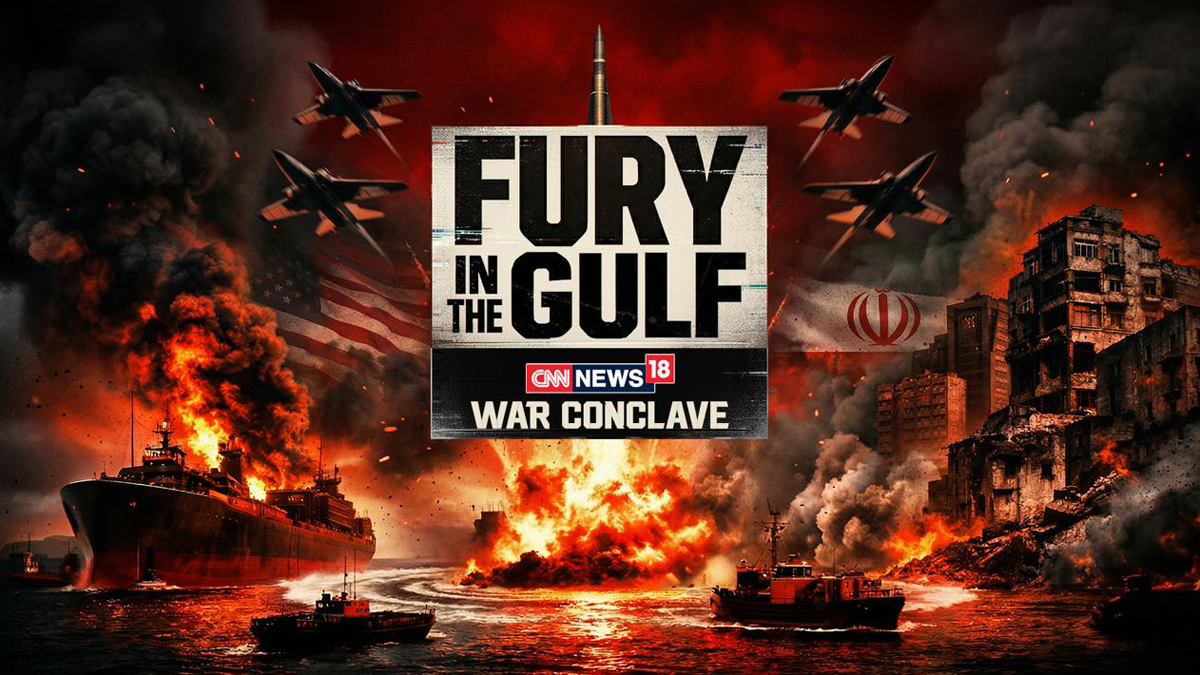
MUMBAI: CNN-News18 is set to host a special three-hour broadcast, Fury in the Gulf – War Conclave, on April 7, aiming to decode the escalating West Asia crisis and its far-reaching implications for India.
Scheduled from 4:00 PM to 7:00 PM, the conclave comes at a time when tensions between Iran and the United States are reshaping global geopolitics and triggering economic uncertainty. With India’s deep energy ties, trade links and large diaspora in the Gulf, the developments carry significant domestic relevance.
Built around the theme ‘Conflict, Consequences, and The Future,’ the programme will feature six curated sessions combining one-on-one interviews and panel discussions. The focus is to cut through the clutter and offer viewers a clearer understanding of the fast-evolving situation.
Key sessions include ‘Diplomacy in Times of War’ featuring Shashi Tharoor, and ‘World After the Iran Conflict’ with voices such as Ram Madhav, Reuven Azar, representatives from the European Union and the Iranian Deputy Envoy. Another session titled ‘Another Dunkirk?’ will bring together K. J. S. Dhillon and Jitin Prasada among others.
CNN-News18 editorial affairs director Rahul Shivshankar said, “In times of war, clarity becomes the most powerful tool. Fury in the Gulf – War Conclave brings together credible voices to address the questions and confusion that arise amid an overwhelming influx of information.”
He added that the initiative is aimed at delivering “facts, perspective, and insight” at a time when misinformation can easily cloud public understanding.
Echoing the sentiment, CNN-News18 CEO– English and business news Smriti Mehra said the conflict marks a defining global moment, with consequences that extend well beyond the region. She noted that the conclave seeks to present the crisis with “depth, nuance and responsibility” so audiences can better grasp its real-world impact.
As geopolitical tensions continue to dominate headlines, the conclave positions itself as an attempt to bring order to the noise, offering viewers a structured, insight-led look at a complex and rapidly shifting global situation.






