eNews
Daler Mehndi inaugurates IPRS ‘Soundscapes of India’

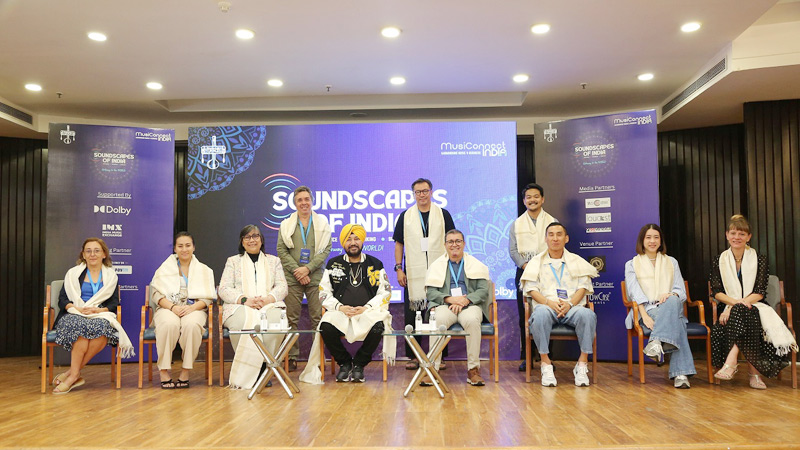
Mumbai: IPRS (The Indian Performing Rights Society Ltd), the music copyright society in India representing authors, composers and publishers of music, kicked off their highly anticipated ‘Soundscapes of India: Gateway to the World’ with an electrifying inauguration led by Daler Mehndi at the India International Centre, New Delhi. The vibrant ceremony set the perfect tone for the global music celebration that followed.
The opening day was highlighted by a fireside chat with Bhangra king and global pop star, Daler Mehndi, whose music has transcended borders to captivate audiences worldwide. Moderated by IMEA Dolby Labs Sr director commercial partnerships Karan Grover, the discussion offered a deep dive into Mehndi’s illustrious career, his contributions to Indian music, and the universal appeal of his work. The session underscored the enduring global resonance of Indian music and set the tone for the conference’s focus on expanding India’s musical footprint internationally.
“The inauguration of ‘Soundscapes of India’ by the legendary Daler Mehndi truly set the stage for what promises to be a groundbreaking celebration of Indian music on the global stage. As IPRS marks its 55th anniversary, we are thrilled to witness India’s rich musical heritage come alive through this event, opening doors for our creators to shine internationally. This is not just a conference—it’s a bold step towards making Indian music a global force,” commented IPRS CEO Rakesh Nigam.

Following the fireside chat, the conference hosted its first panel discussion, titled “The Time is Now: Amplifying India’s Presence on the Global Music Stage.” This session brought together industry heavyweights, including Believe Digital MD Vivek Raina, Paytm Insider COO Varun Khare, and Sziget Festival director Marina Pommier. The panel explored innovative strategies to enhance India’s global music presence, particularly through digital platforms and international collaborations. The discussion highlighted the critical role that technology and partnerships play in elevating Indian music on the world stage.
The inaugural day also featured a special fireside chat celebrating 74 years of the Indian Council for Cultural Relations (ICCR) and its pivotal role in promoting Indian music globally. ICCR deputy director general Abhay Kumar, and Businessworld Group chairman and editor-in-chief Anurag Batra shared insights on ICCR’s efforts to elevate Indian music and culture on the international stage.
The successful start of the ‘Soundscapes of India: Gateway to the World’ conference underscores India’s rising stature in the global music industry. The inaugural day set the stage for further engaging discussions, networking opportunities, and international collaborations over the next two days.






eNews
Paisabazaar launches Credit Premier League 2.0
Nationwide campaign rewards highest credit scores with Rs 1 lakh top prize.
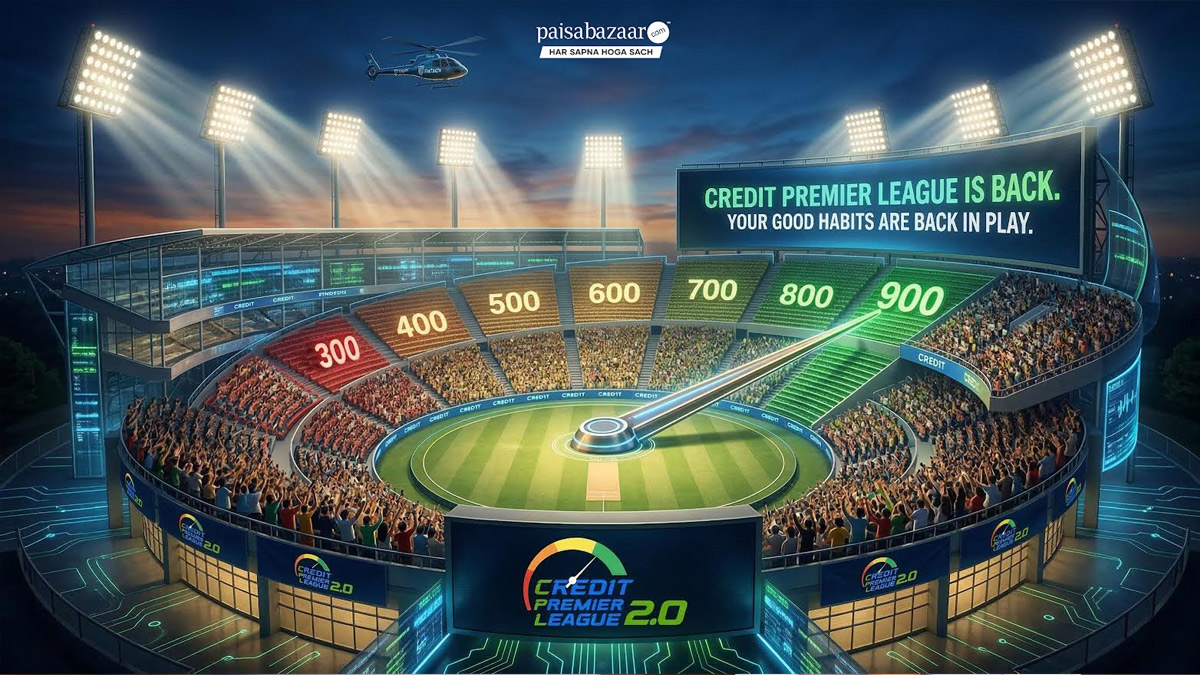
MUMBAI: When credit scores become a national league, even your CIBIL report starts feeling like it’s playing in the IPL and Paisabazaar has just kicked off the second season. Paisabazaar, India’s leading marketplace for financial products and the country’s largest free credit score platform, has announced the return of the Credit Premier League (CPL) 2.0, a fun, nationwide initiative to recognise and reward individuals with the highest credit scores.
Building on the success of the first edition, CPL 2.0 introduces higher rewards and broader participation. The individual(s) with the highest credit score in the country will win Rs 1 lakh, while state champions will each receive Rs 10,000. Additionally, all participants from the winning state, the one with the highest average credit score will also be rewarded.
All winnings will be credited directly to winners’ PB Wallet, allowing them to pay credit card bills, recharge mobiles, or settle utility bills seamlessly on the Paisabazaar platform.
Paisabazaar CEO Santosh Agarwal said the campaign aims to make credit awareness more engaging and mainstream. “With CPL, we are bringing together engagement, gamification and rewards to make conversations around credit scores more mainstream,” he noted. “Our focus remains on building a financially aware and credit-healthy Bharat.”
The first edition of CPL saw over 5.5 million participants, with the highest individual score touching 861. Delhi recorded the highest average credit score of 746.
Consumers can participate simply by checking their free credit score on the Paisabazaar platform or app. The CPL leaderboard and rankings will be available exclusively on the Paisabazaar App.
In a country where financial dreams are serious business, Paisabazaar has found a smart way to turn credit scores into an exciting game – because when your financial health gets rewarded, everyone wants to play.






