iWorld
Cyrus Oshidar launches youth centric digital venture 101India.com


MUMBAI: Digital ventures are mushrooming in the country nineteen to a dozen. With the big daddys of Indian media and entertainment like Raghav Bahl and Ronnie Screwvala leading from the front in the space with new ideas and bags full of investment, it doesn’t take much to figure that digital is where the future lies. And another such media personality, who is putting his money where the mouth is, is the former MTV man Cyrus Oshidar.
When it comes to interacting with the youth in India, there’s no bigger name than Oshidar. Under his supervision at MTV India, iconic creative series targeted at the youth were launched, which successfully managed to garner the TG’s attention. Be it Roadies, or the musical voyage in Sound Trippin, uniqueness was forever visible in each and every concept.

The man who played a pivotal role in establishing youth market in India with multiple innovations, is now set to connect with the youth yet again and this time with the digital portal 101India.com. The portal was launched a month ago with the aim of providing unique and differentiated content for young Indians. What’s more, his team’s unique skill sets were also used to create deeper and more relevant brand solutions. With 101India, Oshidar and his team aim to lead the digital content movement in India.
Speaking exclusively to Indiantelevision.com, 101India.com MD and chief creative officer Oshidar says, “It was at the 2012 Cannes’ first branded content and entertainment contest that the concept of 101digital.com came into my mind. It’s time for the movement to begin. We need to talk to the youth in a creative manner, which they will acknowledge and then eventually interact with.”
Combining adverts in a subtle manner with content on the platform is how the portal will look at making an impact on the youth’s mind. Oshidar says, “We are not a million hits platform and hence we are not going to go pitching to advertisers with promises to millions in return for their crores. We know how to speak to the youth of the country and that’s all we will do. Gone are the days of putting ads in between content. Now we have to fit the brand in the content itself and that’s what we will do in 101India.com.”
The content publishing platform will target educated metro youth aged between 21 – 25 years and hence majority of the marketing and promotional activities to promote the venture will revolve around social media.
Broadband speed in the country is poised to get a major fillip what with Airtel 4G already hitting the market and Reliance Jio impending launch by year end. Oshidar is of the opinion that these rollouts will enhance the infrastructure and bridge the gap between quality streaming and content.
While internationally acclaimed over the top (OTT) venture Netflix is speculated to start its India operation in 2016, another player HOOQ has already launched its India ops. The space is getting cluttered by the day with the addition of Indian OTT players like Ditto TV, Hotstar and Eros Now amongst others. There’s cut-throat competition in the market and established ventures can often overpower startups. However, Oshidar believes that quality content will always sustain. “Game Of Thrones will remain Game Of Thrones and people will consume it irrespective of the platform. So we need to have premium content to sustain in the long run,” he asserts.
101India.com will soon launch an app to reach out to more mobile customers. In terms of content, the venture has created a documentary on the issue of transgenders in association with Times of India’s online venture Indiatimes.com. Also in the pipeline are a series of fiction shows along with a few short movies.
The entire production is taken care of by the in-house team at 101India.com. “We are blessed to have a group of creative talents, who have worked closely with me at MTV and we execute the production all among ourselves,” Oshidar concludes.
More digital power to Oshidar we say!







iWorld
Legendary singer Asha Bhosle dies at 92
Iconic voice of Indian cinema passes away in Mumbai after cardiac and respiratory issues.
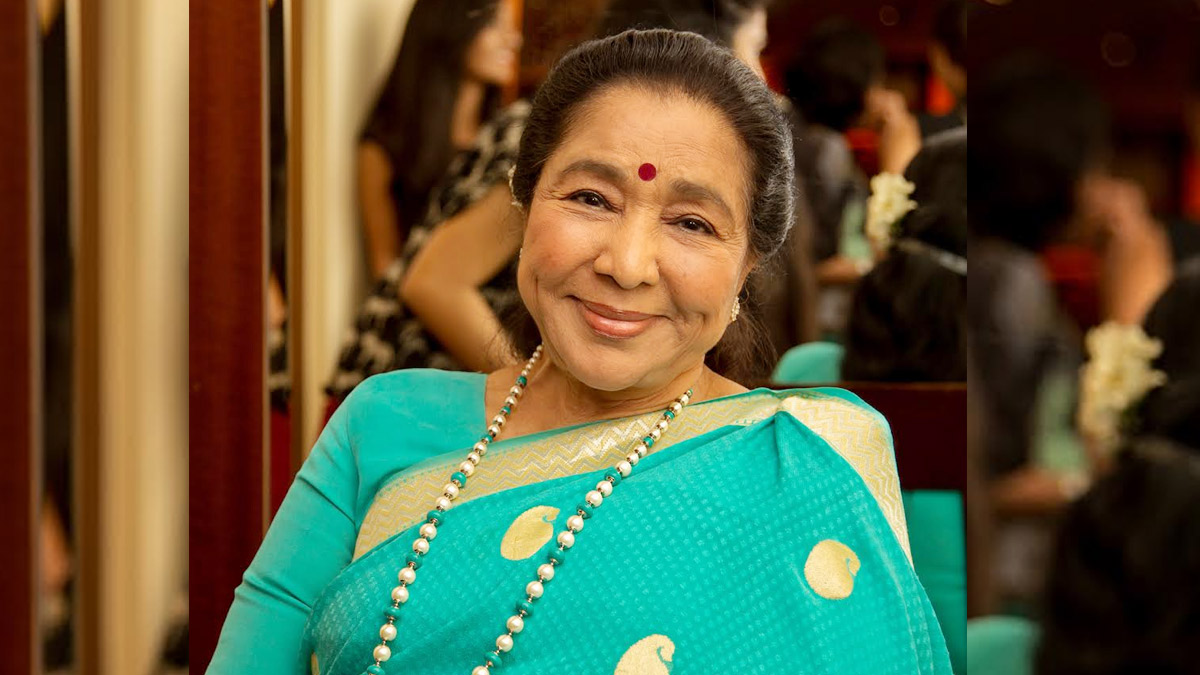
MUMBAI: The melody that defined generations has fallen silent. Asha Bhosle, one of the greatest and most prolific vocalists in modern Indian music, has died at the age of 92. The singer was admitted to Mumbai’s Breach Candy Hospital on Saturday night after experiencing cardiac and respiratory issues. She had reportedly been unwell for several months and was in critical condition when brought to the hospital.
Her son, Anand Bhosle, confirmed the news on Sunday afternoon. The last rites will be performed on Monday.
Born in 1933 into the musical Mangeshkar family, Asha began her singing career at the tender age of nine. She recorded her first film song in 1943 and went on to become one of the most successful and versatile playback singers in Hindi cinema. While initially typecast in cabaret and dance numbers, she proved her range with sublime ghazals in films like Umrao Jaan. She won the Filmfare Best Female Playback Singer Award seven times and received two National Film Awards.
Her personal life was as eventful as her career. At 16, she eloped with Ganpatrao Bhosle, her personal secretary, against her family’s wishes. The marriage ended in separation in 1960. In 1980, she married composer Rahul Dev Burman, a union that faced opposition from his family. RD Burman passed away in 1994.
In recent years, Asha was often seen with her granddaughter, singer Zanai Bhosle, who remained her constant companion.
With a career spanning over seven decades, Asha Bhosle lent her voice to thousands of songs, bringing joy, heartbreak, and unforgettable energy to Indian cinema. From foot-tapping cabaret numbers to soulful classical renditions, her versatility was unmatched. Her passing marks the end of an era for Indian music, leaving behind a rich legacy that will continue to echo through generations.
The voice that once filled millions of hearts with melody has now found eternal rest, but the songs she gifted us will keep playing on.







