iWorld
Cultural Machine with Sonu Nigam on streets of Juhu, Mumbai


MUMBAI: Culture Machine after launching campaigns like The Printing Machine, a poetical satire by Kalki; Radhika Apte voicing against body shaming through You’re beautiful, or ‘The Indian’ series describing the Indian Sikhs, Muslims and Dalits voicing various social issues. This time the company has launched a social experiment titled “The Roadside Ustaad” featuring Bollywood playback singer Sonu Nigam as disguised old man.
The video has been released on Culture Machine’s digital channel Being Indian. The video is an experiment with Sonu Nigam as an old man singing by the road in the busy lanes of Juhu, Mumbai. The pedestrians take notice of an old man singing in melodious voice with many pausing to enjoy a few moments but are forced to continue to hurry and move on with their lives. ‘The Roadside Ustaad’ captures mixed reactions of Mumbaikaars ranging from individuals stopping by and enjoying the old man’s singing to those who nonchalantly walk away. Inspired by the magical impact that music has on individuals, Sonu Nigam and Culture Machine sought to capture joyful moments that music has on our mechanical and monotonous lives.
Cultural machine says that this video is its attempt to make people realize that they can spare some time from busy lives and appreciate beautiful things inside. Expressing the same Cultural Machine creative director Karl Katgara said, “The whole idea behind this experiment was to inspire people to take a moment out of their busy lives and appreciate the beauty of music. To appreciate the many tiny miracles we pass every day and ignore, while we stare at our phones or lost in thought. To do this, who better than Sonu Nigam. He is one of the most sought after singers in the country, and the most recognizable voice. What was interesting to see at the time was, he created the same magic singing, just disguised as an old man, and people could not recognize him at all.

Sonu Nigam said, “I went without any expectations, totally bereft of any awkwardness for the way I was looking and what I was about to subject myself to. For the first time, I was not me, the make-up was so good and authentic,people standing so close to me, couldn’t recognise me. I was carrying the harmonium that my parents bought when I was born. It was all so humbling. And from such an unfamiliar zone, I managed to procure something. Gratitude, Grace and appreciation for what we have.”







iWorld
OpenAI hits back at Elon Musk’s lawsuit ahead of trial
Company calls claims “baseless” and accuses Musk of trying to disrupt a rival.
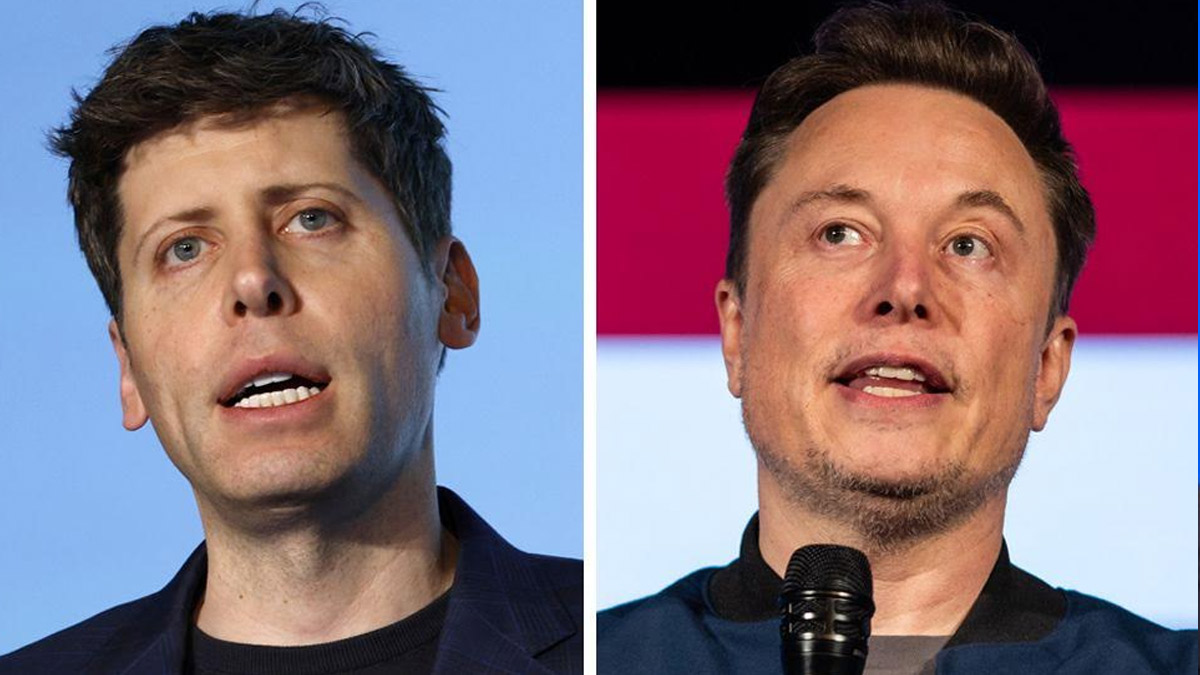
MUMBAI: When the stakes are measured in billions and egos are involved, even Silicon Valley titans can turn a courtroom into a battlefield. OpenAI has issued a sharp public response to Elon Musk’s ongoing lawsuit, accusing the billionaire of filing the case to harass a competitor rather than address genuine concerns. In a strongly worded statement shared on its official X account, OpenAI described Musk’s allegations as “baseless” and suggested the lawsuit is an attempt to disrupt the company as the case heads toward trial later this month in Oakland, California.
The response comes after Musk’s legal team recently amended the complaint, proposing that any damages potentially exceeding $150 billion should go to OpenAI’s nonprofit entity rather than to Musk personally. OpenAI questioned the timing and motive behind this change, calling it a late-stage attempt to “pretend to change his tune” on the nonprofit structure.
The company further labelled the lawsuit a “harassment campaign”, arguing that Musk’s actions are driven by personal rivalry, ego, and a desire for greater control and financial upside.
At the heart of the dispute is Musk’s claim that OpenAI has abandoned its original nonprofit mission of developing artificial intelligence for the benefit of humanity. A co-founder who left in 2018, Musk is seeking governance changes, including the removal of CEO Sam Altman from the nonprofit board, and the return of certain financial gains linked to Altman and President Greg Brockman.
OpenAI has firmly rejected these allegations, maintaining that its current hybrid structure, a public-benefit corporation overseen by a nonprofit parent remains true to its long-term goals. The company has also previously accused Musk of anti-competitive behaviour aimed at weakening its leadership.
As the case prepares for a jury trial, this public exchange highlights the deepening rift between two of the most influential figures in the AI revolution and raises broader questions about governance, mission, and power in the fast-moving world of artificial intelligence.
In the high-stakes game of AI, it seems the real drama isn’t just inside the models, it’s playing out in courtrooms too.






