iWorld
Crunchyroll brings epic anime experience to Comic-Con Delhi with Rana Daggubati

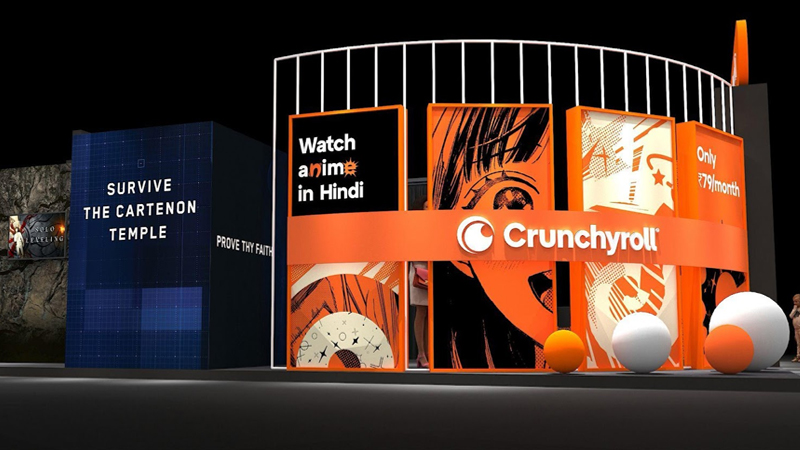
Mumbai: Delhi anime fans, brace yourselves! From 6 to 8 December, Crunchyroll brings an unparalleled anime extravaganza to Delhi Comic Con 2024. Dive into the vibrant anime world with the Solo Leveling Dome—an immersive experience that brings Sung Jinwoo’s journey to life. And the highlight? Superstar Rana Daggubati, the voice behind Barca in Hindi, Tamil, and Telugu, will be joining the action.
That’s not all—Crunchyroll hosts two special fan screenings of the highly anticipated Solo Leveling -ReAwakening- movie in Mumbai and Delhi. Here’s what’s in store for anime fans at Crunchyroll Booth at Delhi Comic Con and the exclusive fan screening!

Step Inside the Solo Leveling Dome: Immerse yourself in the breathtaking world of Solo Leveling with a one-of-a-kind experience inside the iconic dome. Get a sneak peek of stunning scenes from the series in a fully immersive setup that’ll give you chills (the good kind)! Solo Leveling fans also have the opportunity to pose for a memorable Polaroid photo to take home.


Barca meets Delhi as Rana Daggubati joins the Fun: Meet Rana Daggubati, the voice of Barca, the powerful ice elf boss from Solo Leveling. He will be there to meet fans! Catch him at the booth and on the main stage as he shares his experience voicing Barca and his excitement about diving into the anime universe.

Anime Trivia Madness: Think you know your anime? Prove it! Trivia sessions at the booth and main stage will test your knowledge with fun and challenging questions. Winners walk away with exclusive Crunchyroll goodies—don’t miss your chance to snag some swag!
Epic Anime Collectibles Await You! Get your hands on exclusive fan giveaways at the Crunchyroll booth, including Crunchyroll-branded swag bags, One Piece collector cards for all the pirate lovers, Solo Leveling trading cards to bring the adventure home, and Dragon Ball Daima fan cards to celebrate the Saiyan legacy.

Special fan screening of Solo Leveling -ReAwakening- in Mumbai and Delhi: Crunchyroll and Sony Pictures Entertainment are hosting two special fan screenings of Solo Leveling -ReAwakening-, the thrilling omnibus film that recaps the first season and previews the first two episodes of the eagerly awaited second season. Mumbai anime fans can catch the movie on the 4th of December, and Delhi fans can catch a special screening with an exclusive fan greeting with Rana Daggubati on December 6. To be a part of the screenings, fans can find out more details here.





iWorld
Bill Ackman’s Pershing Square makes $64 billion bid to acquire Universal Music Group
Ackman pitches NYSE relisting plan as UMG board weighs unsolicited offer

The hedge fund has proposed a business combination that values UMG at €30.40 per share, representing a hefty 78 per cent premium to its current trading price. The offer includes €9.4 billion in cash alongside stock in a newly formed entity, with shareholders set to receive €5.05 per share in cash and 0.77 shares in the new company for each UMG share they hold.
Under the proposal, UMG would merge with Pershing Square SPARC Holdings Ltd and re-emerge as a Nevada-based entity listed on the New York Stock Exchange. The move is designed to boost investor visibility and potentially secure inclusion in major indices such as the S&P 500.
Pershing Square Capital Management ceo Bill Ackman argued that while UMG’s operational performance remains strong, its market valuation has lagged due to external factors. “UMG’s stock price has languished due to a combination of issues that are unrelated to the performance of its music business,” Ackman said, pointing to concerns ranging from shareholder overhang to delayed US listing plans.
Ackman also flagged what he sees as untapped potential in UMG’s balance sheet and a lack of clear capital allocation strategy. He added that the market has not fully recognised the value of UMG’s €2.7 billion stake in Spotify, alongside gaps in investor communication.
The proposed transaction would also result in the cancellation of around 17 per cent of UMG’s outstanding shares, while maintaining its investment-grade balance sheet. Pershing Square has said it will fully backstop the equity financing, with debt commitments secured at signing. The deal is targeted for completion by the end of the year.
UMG, however, has struck a measured tone. The company confirmed that its board has received the non-binding proposal and will review it with advisers. It reiterated confidence in its current strategy and leadership under Lucian Grainge, signalling no immediate shift in stance.
The proposal comes at a time when global music companies are navigating evolving investor expectations, streaming economics and capital allocation pressures. For Pershing Square, the bet is clear: sharpen the financial story, relist in the US, and let the music play louder in the markets.
Whether UMG’s board is ready to change the tune remains to be seen, but the spotlight on its valuation just got a lot brighter.






