Gaming
Creative Monkey Games wins Best Gaming Startup of the Year Award by FICCI

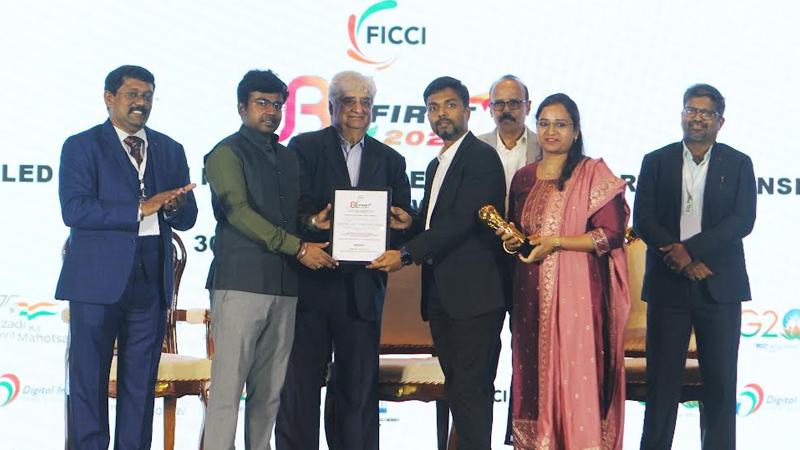
Mumbai: Creative Monkey Games, a leading mobile gaming platform, has been honoured with the prestigious ‘Best Gaming Startup of the Year’ Award at the FICCI-Bionic enabled – Future Innovation Reskilling Start-up Transformation (FIRST) 2023 Summit and Awards. This recognition underscores Creative Monkey Games’ exceptional contributions to the gaming industry and its commitment to providing immersive and innovative gaming experiences.
The FICCI-FIRST Summit and Awards, held in Chennai, celebrated Creative Monkey Games for its remarkable journey in the world of mobile gaming. The Company has gained worldwide acclaim, boasting over 40 million downloads globally and a diverse collection of more than 50 games.
Creative Monkey Games CEO, co-founder & technology entrepreneur Deepak Aravind, expressed his excitement about receiving the award, stating, “This recognition by FICCI is a testament to the hard work and dedication of our entire team at Creative Monkey Games. Kavitha and Me founded this Company with a vision to offer the best mobile gaming experiences globally, and I am thrilled to see that vision come to life. We are committed to pushing the boundaries of mobile gaming with innovative ideas and captivating content.”

Creative Monkey Games has emerged as a frontrunner in the cricket gaming category, with titles such as World Cricket Battle 2 and Cricket Gangsta™ gaining immense popularity among players worldwide. These games offer fun-filled gameplay, cutting-edge graphics, intuitive controls, and dynamic features that redefine the mobile gaming experience. Furthermore, Creative Monkey Games is set to revolutionise the e-Sports industry by introducing Gully Cricket, a move that is expected to elevate the gaming industry to new heights.
Creative Monkey Games operates on a Freemium model, allowing users to download games for free from both the App Store and Google Play Store. The company generates revenue through in-app purchases, subscriptions and advertisements, making it accessible to a wide range of gamers.






Gaming
Konami concludes successful eFootball India campaign
Campaign featuring Rinku Singh, Varun Chakravarthy and other stars boosts engagement ahead of FIFA World Cup 2026.
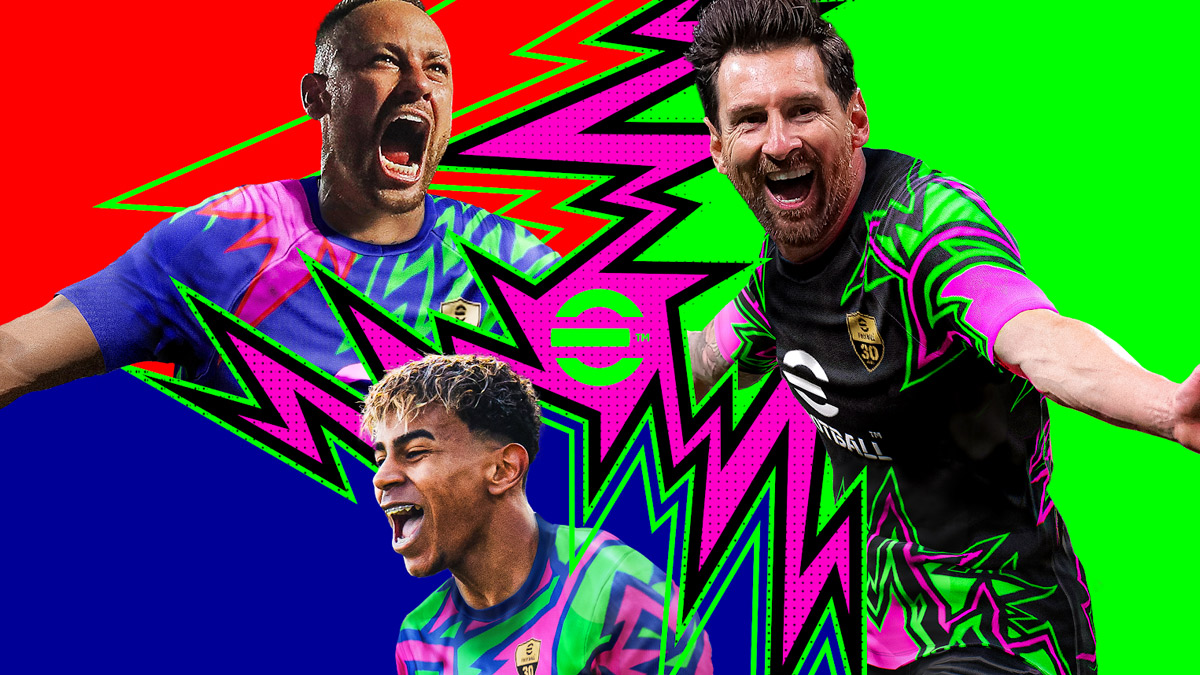
MUMBAI: When cricket meets football in the virtual world, even the biggest fans can’t help but score and Konami’s latest eFootball campaign in India has clearly hit the back of the net. Konami Digital Entertainment has successfully wrapped up its India campaign for eFootball, which brought together cricketers Rinku Singh and Varun Chakravarthy, actors Naslen Gafoor and Chandu Salim Kumar, and footballers Sahal Abdul Samad and Shubhasish Bose. The multi-star campaign generated strong excitement across gaming, football, and creator communities through social content, fan participation, and in-game engagement.
Building on the initial launch that featured a limited-time Lionel Messi card, the campaign united fan communities, lifestyle creators, football creators, and competitive eFootball influencers. It significantly expanded the game’s visibility and deepened engagement with fans across the country.
The campaign also saw thousands of entries submitted as part of its social media engagement challenge, reflecting high levels of community enthusiasm and active creator involvement.
Looking ahead, Konami plans to build on this momentum with more eFootball experiences for Indian fans as the FIFA World Cup 2026 approaches. With global attention on the tournament set to rise, India will remain a key market for deepening community engagement and bringing fans closer to the action.
In a country that lives and breathes sport, Konami has shown that mixing real-world stars with virtual thrills is a winning formula leaving fans eagerly waiting for the next goal.






