iWorld
Creative content, diversity, smart recommendation engine & community building are key to UGC platform growth


MUMBAI: While the last few years have seen the rise of online premium content, several consumers have also emerged as creators. The boom of user-generated content (UGC) has led to the adoption of a plethora of apps other than traditional video-streaming platforms. UGC platforms are here to stay but those need to focus more on personalisation, user information security, smarter recommendation engine and scaled up technology.
Under The Content Hub Tech Series umbrella Indaintelevision.com hosted a virtual roundtable on the topic which saw Firework head of content and strategic partnerships Sudarshan Kadam, Roposo co-founder and VP product management Glance Avinash Saxena, Samosa Labs founder and ex-CEO Abhilash Inumella, Bolo Indya co-founder and CEO Varun Saxena, Akamai Technologies director of products – APJ Media Rishi Varma, Zee5 business head expansion projects and head of products Rajneel Kumar, moderated by Indiantelevision.com founder, CEO and editor in chief Anil Wanvari.
The moderator started the session by charting out basic differences between over-the-top (OTT) platforms and UGC platforms. Akamai’s Verma pointed out that the biggest difference between UGC and OTT is the amount of content where the former trumps. He stated that on an average day, some of their UGC consumers individually can have 25,000-30,000 concurrent people broadcasting at any given point in time. While it comes to short videos, they are to the tune of a few millions every minute.

Bolo Indya’s Avinash Saxena said that one of the fundamental difference is the users holding power when it comes to UCGs. Along with showcasing talents, users can create multiple opportunities for themselves, even taking financial capital out of it. Inumella mentioned that the proliferation of smartphones has made it easier for common people to create content, leading to a boom in UGC. However, the panellists also noted that having different use cases, OTTs and UGCs can’t be looked at as contenders.
Interestingly, one of the largest OTT platforms in India, Zee5, will soon venture into UGC. It is prepping itself for its entry into the segment through Hypershots. ZEE5’s Kumar said that the platform has been moving away from two primary types of content, catch up TV and original content in several categories like music videos, live TV and news, consistently over the last year. He noted that it's gaming platform partnered with Gameloft has seen upto six sessions a day per user each eight-minutes long, cementing its decision to work on UGC.
One of the major concerns for UGC platforms is content processing and monitoring content so it does not offend anyone. Firework’s Kadam said that it has AI, ML and human moderation for any content goes up on the platform. He added that whenever they see content is flagged by their system or moderation team, they go through the content to see that it is not hurting anyone’s sentiment. Since the platform is available across countries, it also keeps track of country-specific guidelines and sometimes opts for geo-blocking. Bolo Indya’s Avinash Saxena and Roposo’s Varun Saxena also spoke of multi-layered content monitoring. The former added that if the content is flagged they may not necessarily always remove from the platform but restrict to a certain community.
The experts agreed that content security is not a big concern for UGCs as they want to grow by getting their content shared across multiple platforms. However, impersonation and manipulation of content can be damaging for the platform. As the platforms have a long run ahead, experts believe more creativity of content, smart recommendation engine, diversity and community building will be key to growth. Even UGC platforms can look at the subscription model if they can add value to basic service while Firework already experimented with such a model.





iWorld
Samay Raina returns with Still Alive, confronts 2025 controversy in bold comeback special
Comeback set tackles controversy, blending humour with raw storytelling
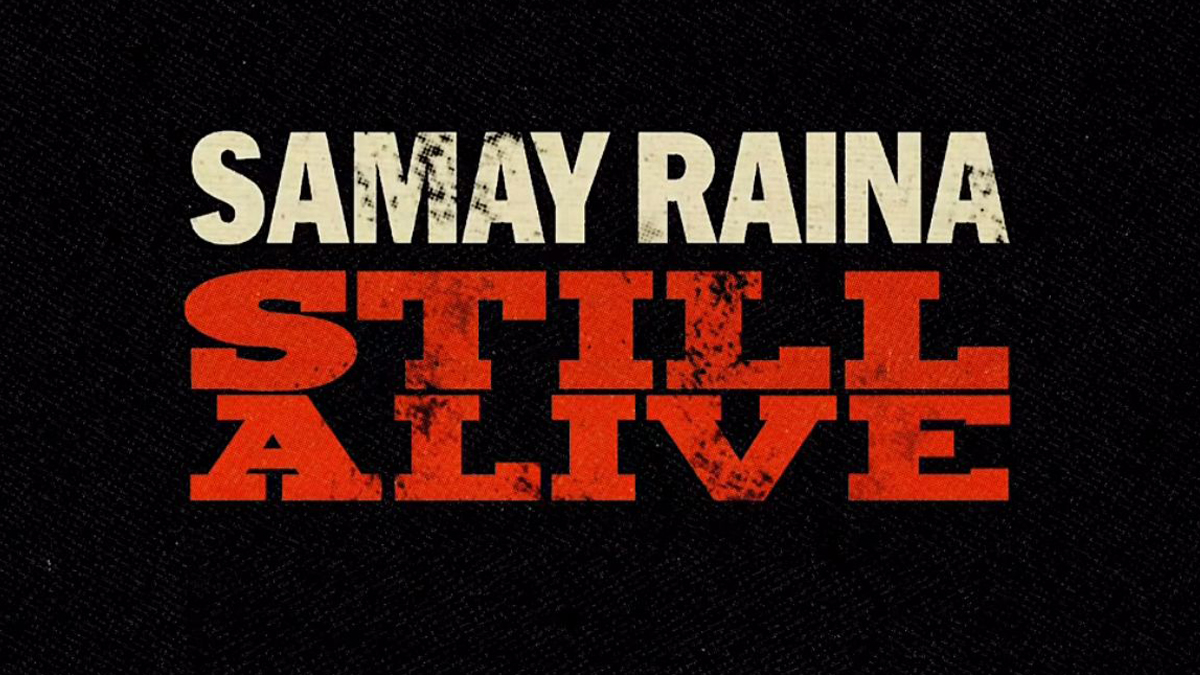
MUMBAI: Samay Raina is set to release his new stand-up comedy special, Still Alive, on YouTube on April 7, 2026, marking a high-profile return following a turbulent year.
The trailer for the special dropped on April 5, offering a glimpse into what Raina describes as a raw and unfiltered set that leans as much on honesty as it does on humour.
Positioned as a comeback of sorts, Still Alive draws heavily from the controversy surrounding his show India’s Got Latent in early 2025. The episode led to legal trouble, multiple FIRs, and a lengthy six-hour interrogation by the Maharashtra Cyber Cell, placing the comedian at the centre of intense public scrutiny.
Rather than sidestep the episode, Raina leans into it. The special reflects on the fallout and his personal journey through it, blending observational comedy with moments of emotional candour. Early audience feedback from live performances suggests the tone is less about rapid-fire punchlines and more about storytelling with bite.
The special was filmed during his global Still Alive & Unfiltered tour, which ran from August 2025 to early 2026. The tour saw Raina perform across major international venues, including the Madison Square Garden Theatre in New York, a milestone that places him among the youngest Indian comedians to take that stage.
The title itself signals resilience. “Still Alive” is a nod to navigating both legal and public backlash while choosing to remain unapologetically authentic, a theme that appears to anchor the set.
With the special set to premiere online, all eyes are now on how audiences respond to a performance that promises equal parts reflection and wit. For Raina, the message is clear. He is not just back, he is ready to be heard on his own terms.






