iWorld
Content investment in India, Korea, and Southeast Asia to rise in 2022: MPA Report


Mumbai: The video content budget in India, Korea, and Southeast Asia will grow by 15 per cent and reach $12 billion in 2022, according to the latest edition of Asia Video Content Dynamics, published by Media Partners Asia (MPA).
In 2022, India and Korea will drive the bulk of the increase, but all markets and all verticals are expected to grow. The film industry will be the fastest, growing by nearly 140 per cent as theatres screen fresh movies. Online video will grow the most, by nearly $700 million.
It increased by 21 per cent last year to $10.4 billion. Except for theatrical, all content verticals saw significant growth. OTT content was the fastest growing vertical, increasing 83 per cent year on year to become the second largest vertical, accounting for 26 per cent of industry investment. Korea & India saw particularly strong OTT investment growth, while Thailand and Indonesia made significant contributions.

This report examined video content consumption, investment in video content, and production costs in seven key Asian markets: India, Indonesia, South Korea, Malaysia, Philippines, Thailand, and Vietnam. Free-to-air (FTA), pay-TV, online video, and film are among the verticals examined, along with key players and the production value chain.
Also read: India’s OTT video market to reach $3 bn in 2022; estimated to double by 2027: Report
Commenting on the findings of the report, MPA vice president Stephen Laslocky said, “Inflation, particularly with online originals, is a factor driving up content costs.”
He went on to say that online video operators, broadcasters, and producers must see that higher budgets translate into more premium viewing experiences, or the cost increases will be unsustainable.
According to this report, Pay-TV was the largest vertical, accounting for 46 per cent of total industry content investment, reflecting well-developed pay-TV markets in India and Korea. FTA ranked third with 25 per cent of the total.
“Internationally successful programmes remain the content licensing holy grail, which thus far, only Korean dramas and some anime, as well as US and UK content, have sustainably achieved. Some Thai content has succeeded outside of Thailand. Quality production values and strong storylines with a focus on younger online demographics will be the building blocks of future investment strategies,” Laslocky added.
While talking about the expanding online video sector, he expressed that it has been a boon to independent producers. He said, “Profit margins have stabilised at 10 per cent or more across much of the region. More can be done to bolster independent producers, including additional compensation for original concepts, commensurate rewards for breakout successes, and expanded use of pipeline deals (which allows producers to more reliably recoup overheads).”
“In exchange, producers need to be transparent with production costs. Commissioners need to be willing and able to audit costs,” he added.
Declining TV ratings
TV ratings continue to decline in measured markets. User-generated content (UGC) platforms continue to dominate video consumption, with their share of total video consumption ranging from 82 per cent in Korea to 95 per cent in Vietnam. While YouTube remains the leader, TikTok is driving growth in Southeast Asia. Premium video, both AVOD and SVOD, captures the majority of the balance.
The consumption of television and online video is diverging. On TV, drama is generally the most watched genre, while variety, including reality, often ranks #2. Movies, kids, and news can be significant drivers of viewership, and sports can over-index with top-rating TV programs. Viewership of some key TV genres is transitioning to YouTube, where they generate significant classified consumption.
Meanwhile, with premium online video, series account for approximately 90 per cent of consumption, with dramas accounting for the majority of viewership, while movies account for approximately 10 per cent. Dramas account for nearly all of the top titles. Except for India, variety consumption is largely driven by acquired Korean programming.
Box office revenues
In 2021, box office revenues, admissions, and releases all performed poorly. Film costs fell by two per cent as pandemic restrictions delayed release dates in many markets, but delayed tentpoles performed well in 2022.
Some markets, including India and Indonesia, are expected to recover completely. In other markets, a return to pre-covid may take until 2023. Returning to pre-covid levels in other markets may take until 2023. Elsewhere, prospects may be marginally better but permanently harmed.







e-commerce
Instamart gold dig event at Hussain Sagar goes viral
Hyderabad activation ties to gold price lock offer ahead of Akshaya Tritiya
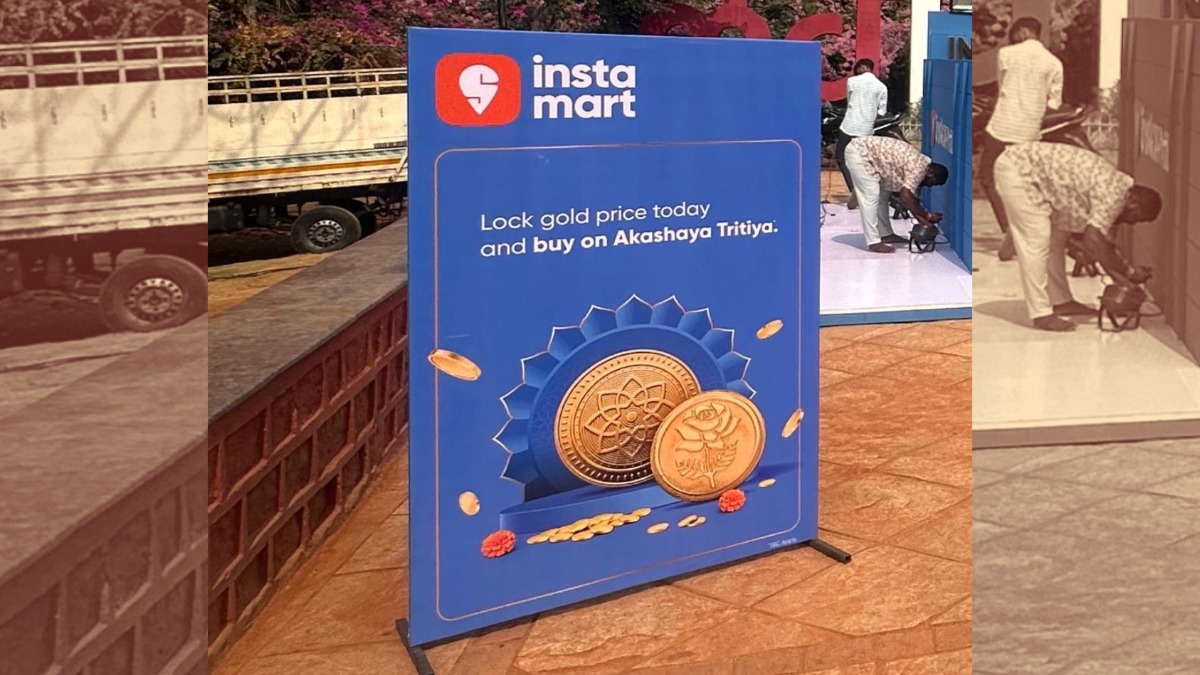
MUMBAI: All that glitters isn’t just gold, it’s also great marketing. A quirky on-ground activation by Instamart at Hussain Sagar Lake has turned into a viral spectacle, with videos of people digging for gold coins flooding social media feeds this week. The campaign, executed in collaboration with Moms, transformed a patch of the city’s iconic lakefront into what online users quickly dubbed a “mini gold rush”. Armed with spades, participants dug through a mud-filled pit in search of hidden gold coins, an activity that drew crowds, cameras and plenty of commentary online, ranging from amused disbelief to outright fascination.
At the heart of the frenzy was a promotional push for Instamart’s ‘Gold Price Lock’ feature, which allows users to secure prevailing gold rates between April 10 and April 16 and complete their purchase later during Akshaya Tritiya, a period traditionally associated with high gold buying. The mechanic cleverly blended physical participation with digital conversion, turning curiosity into a potential transaction.
Branded as ‘Gold Diggers’, the activation leaned into gamified engagement. Those who struck lucky walked away with coins, those who didn’t were nudged with a simple message: lock the price now, buy later. The result was a steady stream of footfall and a surge in user-generated content, as onlookers and participants alike documented the spectacle.
The timing is significant. India remains one of the world’s largest consumers of gold, with demand peaking around Akshaya Tritiya. Data from the World Gold Council suggests the festival alone accounts for roughly 25–30 tonnes of gold purchases annually, making it a high-stakes window for brands looking to tap into consumer sentiment.
As the ‘Gold Price Lock’ feature remains live until April 16, the campaign has already done its job turning a simple product feature into a citywide moment. Because sometimes, the quickest way to get people talking about gold isn’t to sell it, it’s to make them dig for it.