iWorld
Collective Artists Network upgrades its organised creator marketplace Big Bang Social

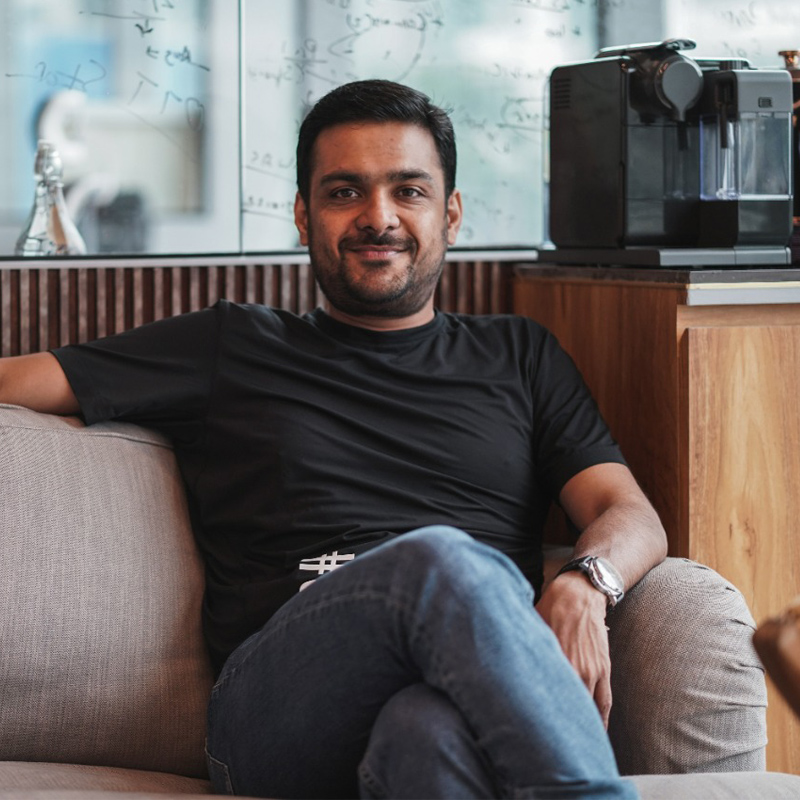
Mumbai: Collective Artists Network has announced a major upgrade for its organised creator marketplace, Big Bang Social. As part of the expansion, new tech features and services will be made available to meet the needs of both creators and brands. The platform will now offer licensed products which brands can subscribe to in line with the upgrade.
For the brand’s side, this model will enable sustained engagement with a curated list of creators from more than 120k creators on the platform. The unique features of the product upgrade include easy connection and seamless messaging to influencers via WhatsApp, email, or calling directly through the platform. Another standout feature for brands is that multiple campaigns can now be seamlessly integrated across several platforms as part of the subscription model. In the discovery phase, brands will receive strategy support to search for the right audiences, map new creators, and review ideal platform recommendations depending on campaign briefs.
With the help of a data analytics dashboard, brands will get access to a deep insight tracking mechanism and a recommendation engine. A dedicated consultative team will guide brands and agencies through the process and provide offline support. Special access like trials and surveys of tastemakers of a category, i.e., the influencers, will be made possible. Through Big Bang Social, various qualitative and quantitative feedback from creators can be organized, which will help brands develop better products and campaigns.

Collective Artists Network CEO Vijay Subramaniam said, “We wanted to go beyond just offering a database of influencers and brokering. The Collective has a wealth of experience in identifying and incubating talent, which we felt could be effectively applied to the creator ecosystem. To be able to do justice to such a large and evolving market and capitalise on the potential of the creator economy, we need to bring in structure, sharpen focus and introduce effective processes at both the creator’s and the brand’s end.”
As a part of its new elevation strategy, Big Bang Social will help creators build their brand on three pillars, namely: content experiences, monetisation, and upskilling. Creators will get access to online training, learning, and masterclasses from industry leaders in a convenient way. Out of around 8 crore Indian creators, only about 1.5 lakh can monetize their services effectively, which makes up for less than 0.2 per cent as per a report by Kaalari Capital. Big Bang Social is working towards changing this reality by providing support to monetize assets and increase revenue streams for creator businesses.
Big Bang Social aims to streamline India’s largely unorganised creator economy using a tech-first approach. Several needs, like finding the right creators, gathering data, measurement, and analytics, exist in the industry. For creators, a lack of support to hone their skills, the need for better representation, and unfettered access to opportunities are still tricky. Big Bang Social aims to fill these gaps in need by bringing creators and marketers together with the ease of swift discovery, transparent costs, and real-time connection with the relevant parameters for an effective brand campaign.






iWorld
OpenAI hits back at Elon Musk’s lawsuit ahead of trial
Company calls claims “baseless” and accuses Musk of trying to disrupt a rival.
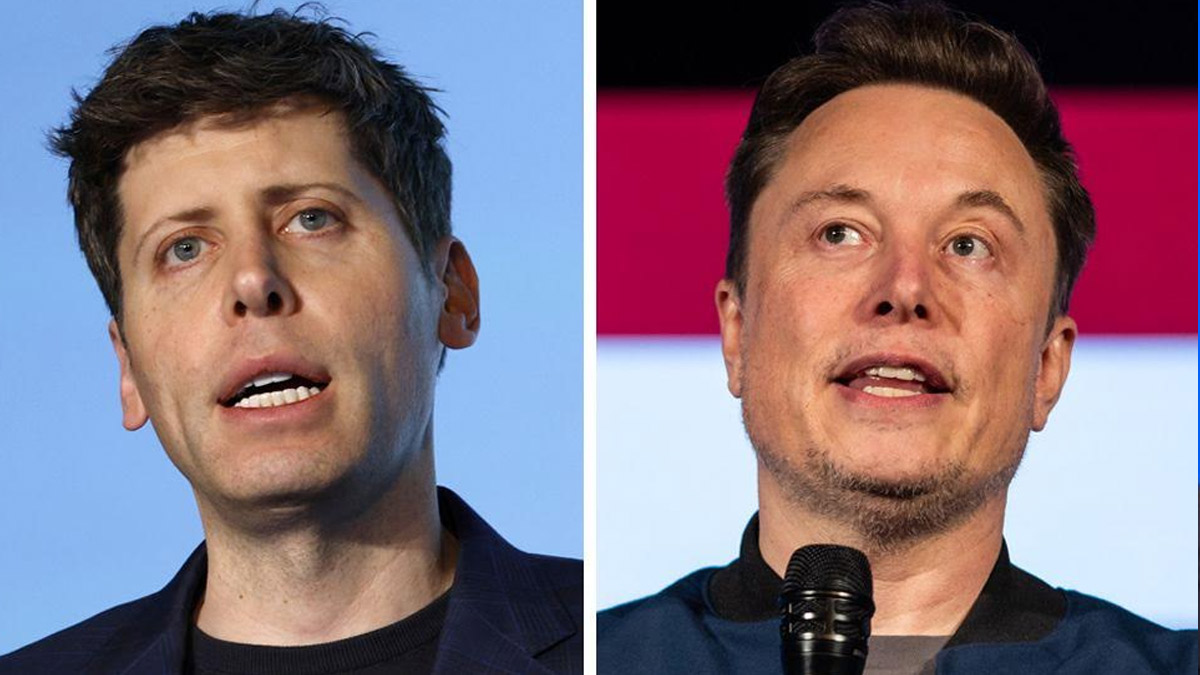
MUMBAI: When the stakes are measured in billions and egos are involved, even Silicon Valley titans can turn a courtroom into a battlefield. OpenAI has issued a sharp public response to Elon Musk’s ongoing lawsuit, accusing the billionaire of filing the case to harass a competitor rather than address genuine concerns. In a strongly worded statement shared on its official X account, OpenAI described Musk’s allegations as “baseless” and suggested the lawsuit is an attempt to disrupt the company as the case heads toward trial later this month in Oakland, California.
The response comes after Musk’s legal team recently amended the complaint, proposing that any damages potentially exceeding $150 billion should go to OpenAI’s nonprofit entity rather than to Musk personally. OpenAI questioned the timing and motive behind this change, calling it a late-stage attempt to “pretend to change his tune” on the nonprofit structure.
The company further labelled the lawsuit a “harassment campaign”, arguing that Musk’s actions are driven by personal rivalry, ego, and a desire for greater control and financial upside.
At the heart of the dispute is Musk’s claim that OpenAI has abandoned its original nonprofit mission of developing artificial intelligence for the benefit of humanity. A co-founder who left in 2018, Musk is seeking governance changes, including the removal of CEO Sam Altman from the nonprofit board, and the return of certain financial gains linked to Altman and President Greg Brockman.
OpenAI has firmly rejected these allegations, maintaining that its current hybrid structure, a public-benefit corporation overseen by a nonprofit parent remains true to its long-term goals. The company has also previously accused Musk of anti-competitive behaviour aimed at weakening its leadership.
As the case prepares for a jury trial, this public exchange highlights the deepening rift between two of the most influential figures in the AI revolution and raises broader questions about governance, mission, and power in the fast-moving world of artificial intelligence.
In the high-stakes game of AI, it seems the real drama isn’t just inside the models, it’s playing out in courtrooms too.






