News Broadcasting
CNN using new tech to cover Iraq conflict

MUMBAI: CNN is relying on new technology to put its viewers at the heart of the battlefront. The broadcaster says its footage of the 3-7th Cavalry making inroads into southern Iraq reveals how the network’s pioneering new technology is changing the way broadcasters can transmit dramatic footage live from new and challenging environments.
The broadcaster’s senior international correspondent Walter Rodgers debuted the new equipment while travelling at speeds of up to 40 mph throughout the advance of the troops across the Kuwait border and deep into Iraq.
Rodgers used a standard videophone system connected to a specially developed tracking satellite phone antenna, mounted on the vehicle roof. This antenna has the ability to lock onto a satellite beacon and remains stationary, even as the vehicle it’s mounted on turns, bounces, and speeds along at up to 60 mph.
According to Rodgers, ” Photographer Charlie Miller filmed from numerous positions from inside and outside the car, bracing himself as best he could on the car frame. I was able to concentrate on reporting live to CNN’s numerous broadcast services this historic event as Jeff Barwise, our engineer, concentrated on ensuring that our new equipment worked above and beyond our expectations.”
According to a release, in addition to broadcasting images, these antennae allow reporters to file video packages, check email, and make phone calls while moving at speed through rough terrain or heavy seas.
CNN will have similar land-based systems deployed elsewhere in the Middle East during this conflict, as well as sea-based versions aboard the USS Lincoln and Constellation.
CNN.com has also launched an online press kit. The broadcaster is looking to make the job of media writers reporting on the conflict easier. The kit details CNN’s coverage of the war. Found at www.cnn.com/services/iraq.opk Strike on Iraq provides an overview of how the network is covering the conflict. The kit includes exclusive CNN images, maps, network personnel in the region, press releases, latest programming schedules and links to CNN.com special reports.






News Broadcasting
CNN-News18 to host Fury in the Gulf conclave on West Asia crisis
Three-hour summit to unpack geopolitical fallout and impact on India
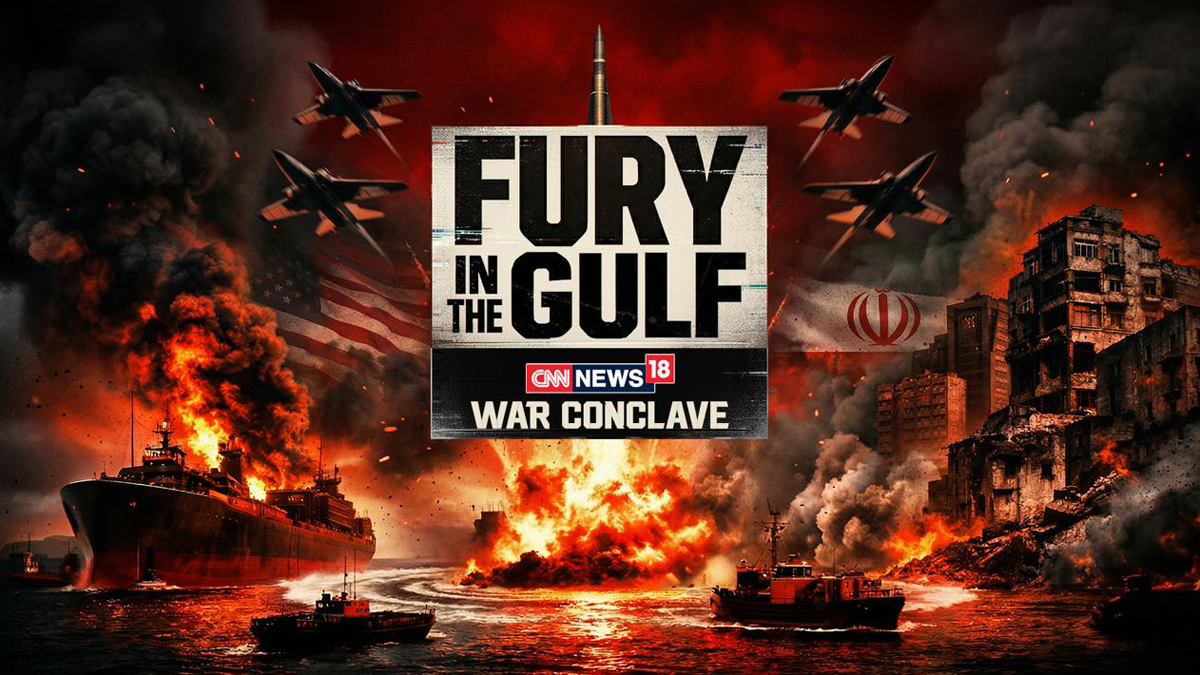
MUMBAI: CNN-News18 is set to host a special three-hour broadcast, Fury in the Gulf – War Conclave, on April 7, aiming to decode the escalating West Asia crisis and its far-reaching implications for India.
Scheduled from 4:00 PM to 7:00 PM, the conclave comes at a time when tensions between Iran and the United States are reshaping global geopolitics and triggering economic uncertainty. With India’s deep energy ties, trade links and large diaspora in the Gulf, the developments carry significant domestic relevance.
Built around the theme ‘Conflict, Consequences, and The Future,’ the programme will feature six curated sessions combining one-on-one interviews and panel discussions. The focus is to cut through the clutter and offer viewers a clearer understanding of the fast-evolving situation.

Key sessions include ‘Diplomacy in Times of War’ featuring Shashi Tharoor, and ‘World After the Iran Conflict’ with voices such as Ram Madhav, Reuven Azar, representatives from the European Union and the Iranian Deputy Envoy. Another session titled ‘Another Dunkirk?’ will bring together K. J. S. Dhillon and Jitin Prasada among others.
CNN-News18 editorial affairs director Rahul Shivshankar said, “In times of war, clarity becomes the most powerful tool. Fury in the Gulf – War Conclave brings together credible voices to address the questions and confusion that arise amid an overwhelming influx of information.”
He added that the initiative is aimed at delivering “facts, perspective, and insight” at a time when misinformation can easily cloud public understanding.
Echoing the sentiment, CNN-News18 CEO– English and business news Smriti Mehra said the conflict marks a defining global moment, with consequences that extend well beyond the region. She noted that the conclave seeks to present the crisis with “depth, nuance and responsibility” so audiences can better grasp its real-world impact.
As geopolitical tensions continue to dominate headlines, the conclave positions itself as an attempt to bring order to the noise, offering viewers a structured, insight-led look at a complex and rapidly shifting global situation.






