News Broadcasting
CNN remains outside of the impact of TRP measurement systems: Abhijeet Dhar

NEW DELHI: The theatrics surrounding the alleged manipulation of TRP by some of the top channels has prompted BARC to temporarily dismiss data sharing for the news genre, leaving an already unsatisfied community of leaders worrying further. While some players are taking it as an opportunity to reconsider their programming strategies and content, a few have again highlighted their points of contention for the existing measurement system.
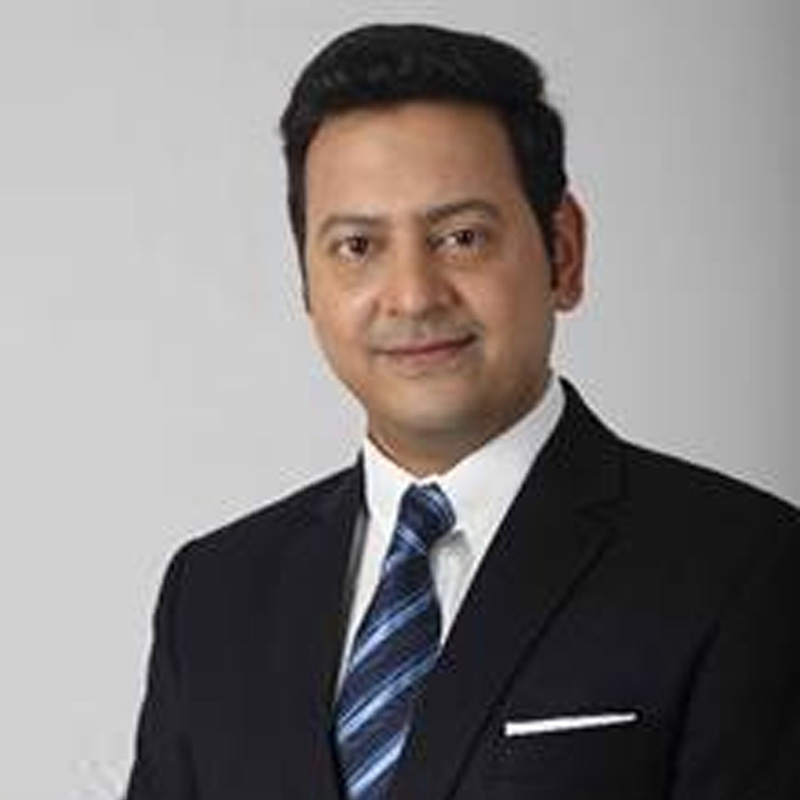
However, in a recent exclusive conversation with Indiantelevision.com, CNN International director – sales South Asia Abhijeet Dhar claimed that the organisation has maintained a distance from the TRP rat race, and therefore, remains unimpacted by BARC’s decision.
He said, “CNN has been in India for a long time and has always strived to remain outside of this (measurement) system; earlier, there was TAM and now there is BARC. I think we are vaccinated and immune in that regard. Our approach to working with clients has been very different and we will continue to work in the same manner.”

Dhar added that CNN’s approach to any client conversation is keeping the audience at the centre of everything and where the advertising message is supposed to be reaching.
“For us, the audience has always been at the heart of everything we do, be it editorial or sales. There is a big task force that sits with the client and discusses with them premium content, cross-platform initiatives, and the best narratives to reach the right audience. Everything is then curated basis the client brief.”
He asserted that they do not work with a sales-centred approach as it will be unfair to the audience. “Even as a sales team, CNN is very particular that we remain accurate and serve only the accurate information to our viewers,” he said.
But in the charged and manipulative environment of today, where so many advertisers and agencies are reconsidering their presence on several news channels, how does he ensure that advertiser interest remains intact in CNN?
To this, Dhar has a very simple answer, “For us, the most valued asset is our audience; irrespective of the platform they are on, or the geographic location they come from. Our intent, with our editorial content too, remains to enhance the audience experience and give them a global perspective to the news. So, our clients also get a chance to optimise their content as our partners. That helps them too, in establishing a good connect with the right audience.”
This strategy helped Dhar and CNN sail through the tough times of the pandemic-induced lockdown of the past few months.
“CNN has always been at the forefront of advertiser movement. It comes naturally to us and that remains prevalent in the pandemic too. We have realised with various studies that advertising is very important for brands in this period as well and for certain categories, like biztech, home entertainment, the period ensured good growth. So, we became a preferred choice for them,” he explained.
Dhar is positive that from here on out, advertising trends will only be on the up and up. “There is austerity fatigue among most of the Indian consumers and the clients too. I think, with the festive season, we will see more people spending and I am positive about the coming quarter,” he signed off.






News Broadcasting
News18 India launches Command Centre war explainer with Arya
New show shifts from debates to decoding global conflicts and impacts
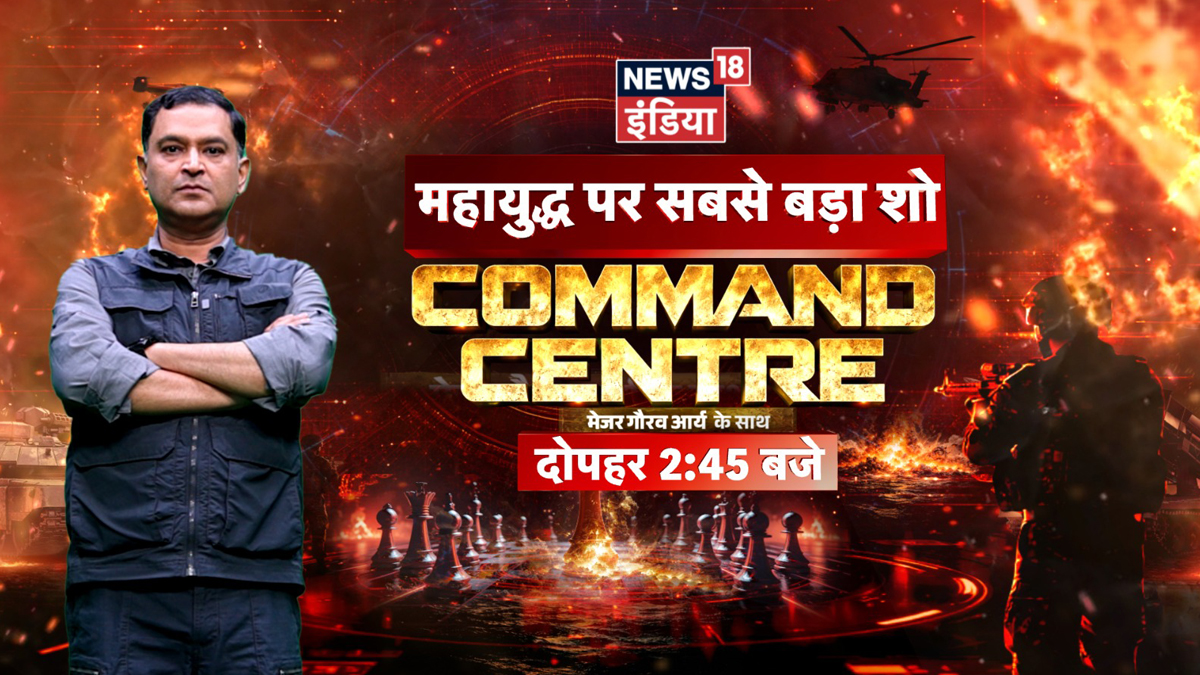
MUMBAI: News18 India has rolled out a new war-focused programme, Command Centre, featuring Gaurav Arya, as it looks to offer viewers a sharper, more grounded take on global conflicts amid rising tensions in West Asia.
Positioned as an “insider war room”, the show moves away from conventional panel debates and instead focuses on explaining military developments, decoding strategy and connecting global events to their everyday impact, from fuel prices to economic shifts.
The format leans heavily on visuals and data. The studio has been designed like a command hub, complete with large LED war maps, real-time graphics and an alert system to track developments as they unfold.
At the centre of it all is Arya, who brings his military background to simplify complex war strategies for viewers. His signature line, “Seedhi baat samjhiye”, anchors the show’s promise of clarity over noise.
News18 India managing editor Jyoti Kamal said, “Command Centre, featuring Major Gaurav Arya is designed to deliver accurate insights and a clear perspective on how evolving conflicts impact everyday life, from household budgets to national security. With expert voices analysing every development in real time, the show goes beyond headlines to decode what’s happening now, what it means, and what could come next.”
Echoing the intent, Gaurav Arya added, “In times of war, confusion is the biggest threat. With News18 India’s Command Centre, we are bringing viewers inside the war room, decoding strategies, tracking every escalation, and explaining, in the simplest terms, what it means for India and for every household. Seedhi baat samjhiye, this is where you understand not just what is happening, but what happens next.”
The weekday show will air in the afternoon slot and will also feature Gaurav Shukla, adding to its editorial depth.
With its mix of analysis, visuals and a clear focus on impact, the show reflects a broader shift in news consumption. Viewers are no longer just watching events unfold, they are looking to understand what those events mean for them.







