Content Hub
Cinema content producers still discovering audience taste


MUMBAI: The Indian movie industry is one of the richest in the world and its content has been gaining patrons worldwide. But producers still believe that the industry doesn’t have the pulse of audience preference.
The point was raised at the third edition of Indiantelevision.com’s ‘The Content Hub’ during a panel discussion on how new Hindi film producers are making their mark and what business models they are drawing up. The panel included Essel Vision (Zee Studios) CEO Shariq Patel, Viacom18 Studios chief operating officer Ajit Andhare, Alliance Media and Entertainment owner Sunil Doshi and Fox Star Studios India CEO Vijay Singh. Moderating the panel was film reviewer at Film Companion Suchitra Tyagi.
Singh said that though we do not have an absolute understanding, we are better informed than we were few years ago. "Let me just give you some facts. Theatrical in India was going single digit till last year, where it actually has its most record breaking year and the business has grown by 14 per cent. Correspondingly, even if you look at Hollywood, last year they have had their biggest theatrical year," he said.

However, Patel was of the view that the reason behind this is the constantly emerging trends. He shared that it is not possible to foresee or sight the changes in what the audience deems popular.
Reflecting similar thoughts was Andhare who said, “Trends and cinema are two terms which are not friends with each other, because the moment you try to say this is trend you will falter. You can safely say that yes content has to be taken more seriously, just the package film which used to a success few years ago may not work.”
He further added, “Also from a purely film business point of view, if you see a movie goer base, it is actually divided in three major markets, Hindi is just one, and the other two big bases are down south. So if you really want to address the entire consumer base for cinema in this country, you have to address all these three and from that stand point regional becomes extremely relevant.”
There is a great opportunity to be a content producer today. "There is a huge opportunity in OTT and I can tell you that in films there is equally large opportunity. What has happened in Hollywood over the last 10 years, because the contribution from outside America started going up. 10 years back international content contributed 30 per cent and today it contributes 70 per cent. That is the reason why studios are working on franchise films or the few films which have the ability to actually travel across the globe,” Singh concluded.





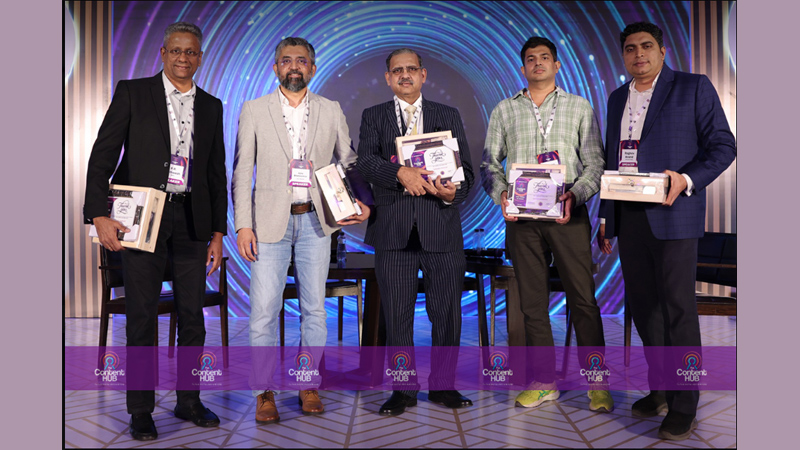
Mumbai: Exploring the shift from regional to national content, this synopsis delves into the trends and challenges. It navigates the transformation, analyzing industry dynamics, emerging trends, and the hurdles faced. From preserving regional variation to adapting to a broader audience, it examines the multifaceted journey of regional content evolving into a national narrative. In what ways do the emerging trends and challenges influence the dynamics of the entertainment industry during this transition? How can creators navigate these changes effectively? What strategic approaches can content creators adopt to strike a balance between maintaining regional identity and fostering a cohesive national narrative in their work? How can the transition from ‘regional’ to ‘national content’ impact cultural diversity within the entertainment industry, and what measures can be taken to ensure the preservation of regional variation?
In a rapidly evolving media landscape, seasoned industry professionals have offered valuable insights into the transformation of content consumption and production. The session was chaired by Ernst and Young partner Raghav Anand, MMTV chief executive officer P.R. Satheesh, Sony Marathi business head Ajay Bhalwankar, PTC Network chairman & MD Rabindra Narayan, Shemaroo Entertainment COO, Digital, Saurabh Srivastava esteemed voices in the field, have articulated their perspectives on the burgeoning shift towards globalised content.
Rabindra Narayan emphasised the dissolution of regional boundaries in content consumption, attributing it to the accessibility facilitated by global platforms and connectivity options. He predicts a future where language barriers will fade, citing the potential of technology to clone and adapt voices, thus enabling seamless localization across languages.
Saurabh highlighted the democratisation of content creation in the digital era, underscoring its empowerment and revenue potential, particularly in linguistically diverse markets like India. He emphasizes the value of culturally rooted storytelling in filling gaps in content supply, with technology enabling effective monetization, especially through OTT platforms.
Ajay Bhalwan sheds light on the evolving landscape of Hindi and regional language content, noting a significant shift where a substantial portion of content on Hindi film channels originates from regional languages. He accentuates the importance of language in enhancing authenticity and audience engagement, exemplified by the strong resonance of Marathi content in Maharashtra.
PR Satheesh underscored the paramount importance of content quality in driving viewership and transcending language barriers. Drawing parallels with the global popularity of Korean dramas, he advocates for leveraging technology, including AI and real-time translations, to enhance content creation and distribution.
These insightful perspectives collectively echoed the industry’s adaptation to a globalised content landscape, where technology catalyzes innovation and accessibility. As content continues to evolve, these experts offered valuable guidance on navigating the dynamic media landscape and maximizing the impact of storytelling in diverse markets worldwide.






