Event Coverage
Changing dynamics in consumption of kids content

MUMBAI: Producing content to consume for today’s kids is no child’s play. Data and trends on kids content consumption across media-electronic and print goes a long way in impacting decisions made by commissioning editors and TV programmers. A panel at the just concluded FICCI Frames 2015 titled “Decoding Kids’s Content Consumption” presented such data and trends.
On the panel were Eurodata TV Worldwide International senior sales manager Eric Lentulo, Viacom 18 Media EVP and GM Sonic and Nickelodeon India Nina Jaipuria, BARC chief business officer Romil Ramgarhia, IMRB International group business director Ashish Karnad and Stratagem Media CEO Sundip Nagpal. The session was moderated by FICCI AVGC Forum chairman Ashish Kulkarni.

Lentulo shared some crucial insights from various reports of studies conducted by the company. He said that kids in Asia were viewing less amount of kids content as compared to their US and European counterparts with an average viewing daily time of 2:32 minutes. In Germany, sports worked best for kids with nearly 95 per cent of the kids under the research having watched the FIFA World Cup Final. In Canada, the Super Bowl brought in large traction kids viewers. “Kids are watching content on smart phones as well as tablets but television is the firsts screen for children,” Lentulo observed.
Providing an Indian perspective, Nagpal said, “Younger kids spend just 30 per cent of their time watching kids channels in India, 35 per cent of GEC content, and the remaining 30 per cent of other content.” He went on add that TAM data showed that young mothers spend just six per cent of their time watching the content viewed by their wards. “The kids genre is popular across metros and one million plus towns and even in towns with population less than one lakh people. While Maharashtra and Gujarat were well performing markets for the genre, Kerala is missing out on children’s content.”
On the other hand, as per Karnard’s study in 2013, two out of three kids seek entertainment primarily to reduce stress and tension from studies. The second primary reason was to seek information. “Three out of the four kids prefer watching content in Hindi rather than in English, while they love animated characters that help others. When they are alone, they would use mobile phones and computer games, they would utilise television to watch music and shows. On the other hand, when in company of their friends and family, they would play outdoor sports and watch movies and sports on television,” Karnard stated.
Having the last word on the subject, Jaipuria said, “While kids today are consuming content on various devices, TV is here to stay for a while.” According to her, kids latched on to television for two reasons: 1) They were terribly bored and seek it as a form of entertainment value. 2) They wanted an escape route where they are able to run from a competitive world to one of fantasy. “Animation is the only medium that can transform them to an imaginative world,” she added.
Highlighting an important point from the perspective of a kid’s broadcaster, she said that they were a safe genre and hence parents trusted the network for its content. Storytelling too was crucial along with quality dubbing and environmental sounds that together made up for solid content. “The primary factor that drives this category is the element of fun and being mischievous and kids are looking for honest values,” she said.
The other elements that children looked for in a character were looks (dressing, style and smile), fantasy (talking about gadgets) and values that the characters stood up for. Throwing light on whether language made a difference, Jaipuria said, “It is the character, bond and relationships which brings them to TV. Language only breed familiarity. Local content is currently edged out because we started off late.”
For the category that is growing at nine per cent and sees under two per cent ad revenue, Jaipuria informed that with carriage fees going down and subscription going up, there was space for further segmentation.
Ramgarhia added that with the coming of BARC, the audience measurement platform would cover everything that India watched including the rural markets. “As more segmentation takes place, a lot of thrust will be placed on kids channels. Nine is the new 14,” he said, adding that moving ahead it would be their endeavour to expand the panel that monitors channels.







Event Coverage
Anime India announces Amazon MX Player as co-presenting partner for Anime India Kolkata 2026
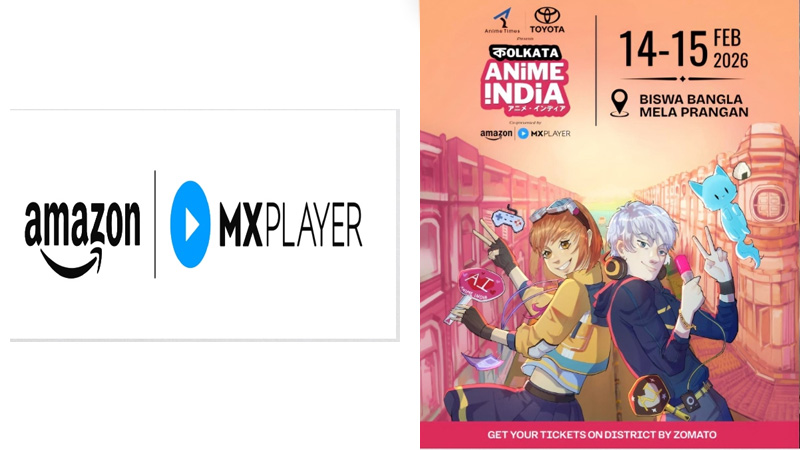
MUMBAI: Riding high on the success of its blockbuster Mumbai debut, Anime India is accelerating its nationwide expansion with the announcement of Amazon MX Player as the co-presenting partner for Anime India Kolkata. The partnership marks a significant step forward in the festival’s mission to deliver large-scale, accessible, and fan-first anime experiences across the country.
Scheduled for 14 and 15 February 2026 at the iconic Biswa Bangla Mela Prangan, Anime India Kolkata will launch the first regional chapter of what is set to be a year-long, multi-city tour. As the curtain-raiser for the 2026 circuit, the Kolkata edition aims to fuse the energy of global Japanese pop culture with India’s fast-growing community of anime, manga, and pop-culture fans.
A household name in digital entertainment, Amazon MX Player brings unmatched reach and cultural relevance to the Anime India platform. With its expanding focus on anime and youth-driven content, Amazon MX Player’s involvement as co-presenting partner reinforces Anime India’s vision of making anime culture more inclusive breaking barriers of language, geography, and accessibility to connect with fans nationwide.
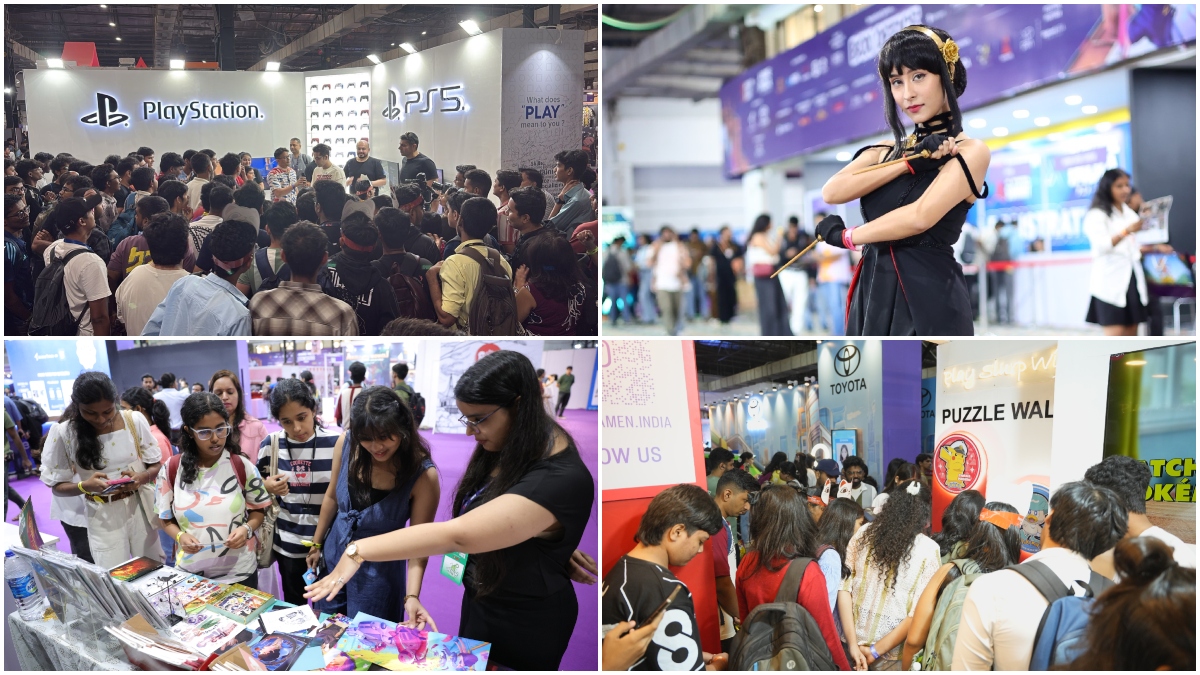
Anime India Kolkata 2026 will showcase cosplay competitions, interactive zones led by the Indian Gunpla Community, India-39 Vocaloid Community, The Japan Curry, and Adda-o-Otaku by The Otaku Guild. Fans can join tournaments across fighting games, Pokémon VGC, and more. Acclaimed Japanese director Susumu Mitsunaka (Haikyu!!) will attend as guest of honour, appearing in panels and live sessions. Positioned as an immersive celebration of fan culture and industry collaboration, the Kolkata edition marks the beginning of Anime India’s nationwide expansion.
Sharing their perspective on the partnership, Amazon MX Player director Aruna Daryanani expressed, “Anime in India has evolved from a niche interest into a mainstream cultural movement, driven by an increasingly engaged and passionate fanbase. At Amazon MX Player, our focus is on expanding access by bringing anime to audiences across the country for free and in multiple local languages. Our association with Anime India reflects our commitment to supporting the growth of anime in India and deepening connections with fans, while continuing to build Amazon MX Player as a trusted destination for free, high-quality entertainment.”
“Anime India Kolkata is a celebration of how anime has grown beyond entertainment into a powerful cultural and creative force. By bringing fans, creators, and industry leaders onto one shared platform, the festival is helping define the future of pop culture in India,” said Anime India co-founder and director Neha Mehta.
The debut edition of Anime India 2025 in Mumbai attracted over 29,000 fans, quickly cementing its status as a landmark celebration of anime and Japanese pop culture. Riding on this overwhelming response, the Kolkata chapter is projected to draw more than 40,000 visitors across two days, positioning it as one of the biggest anime conventions ever held in eastern India.
Anime India is focused on bringing together fans from across the country to create a truly pan-India celebration of anime, manga, cosplay, gaming, and Japanese culture. With plans to expand into four key metropolitan hubs in 2026—east (Kolkata), north (Delhi), west (Mumbai), and south (Hyderabad)—the festival seeks to deliver globally benchmarked experiences while supporting and uplifting creators, artists, and fan communities throughout India.






